Product Description
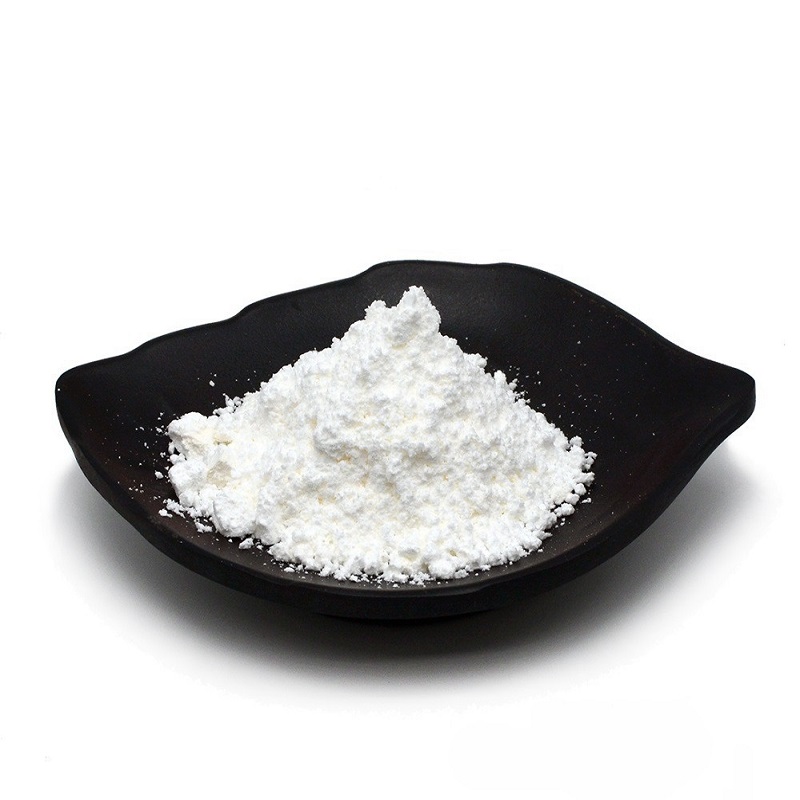
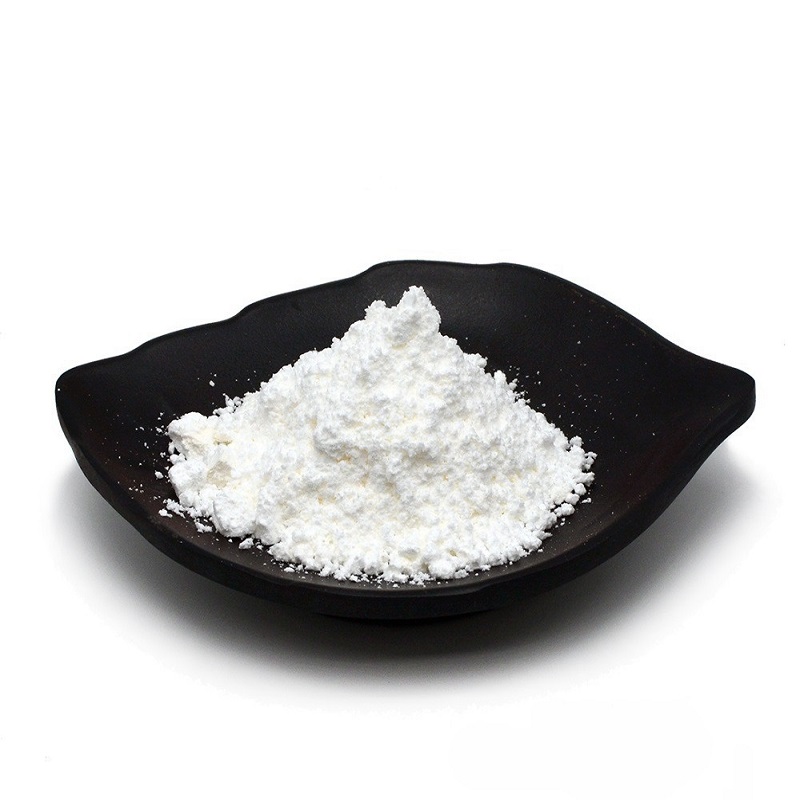
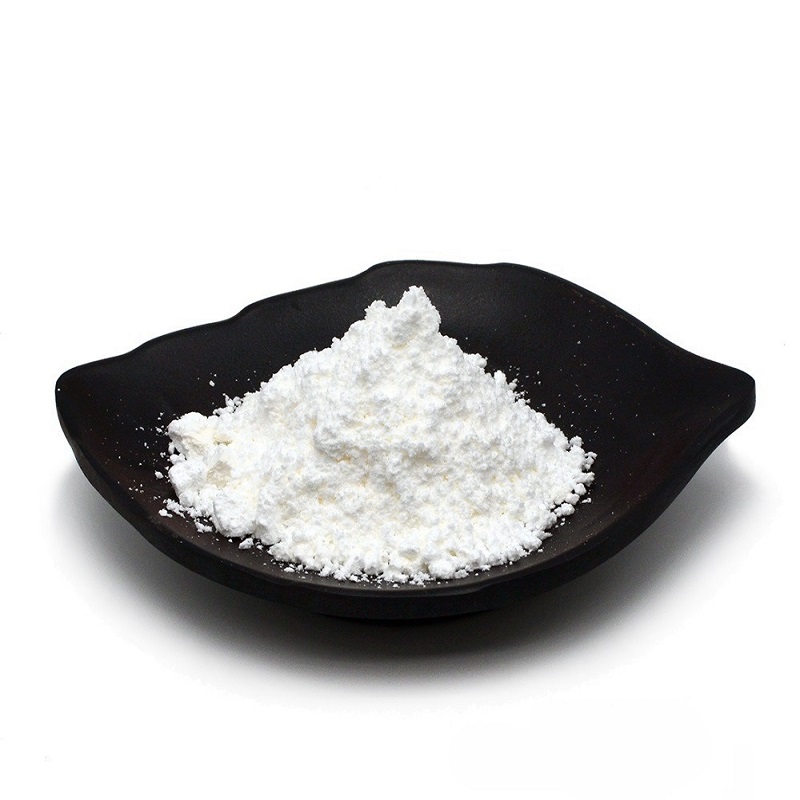
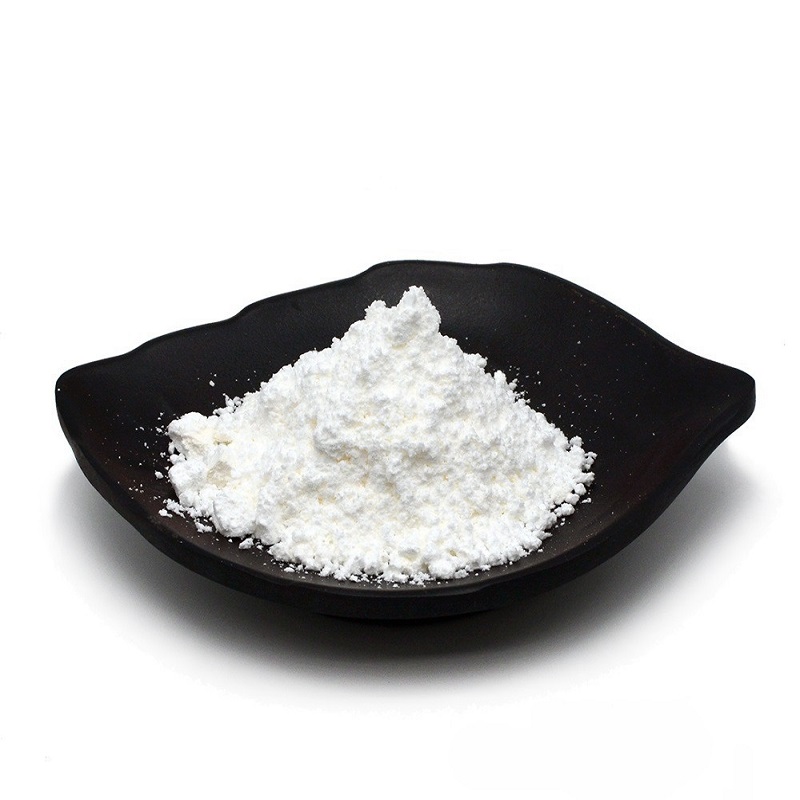
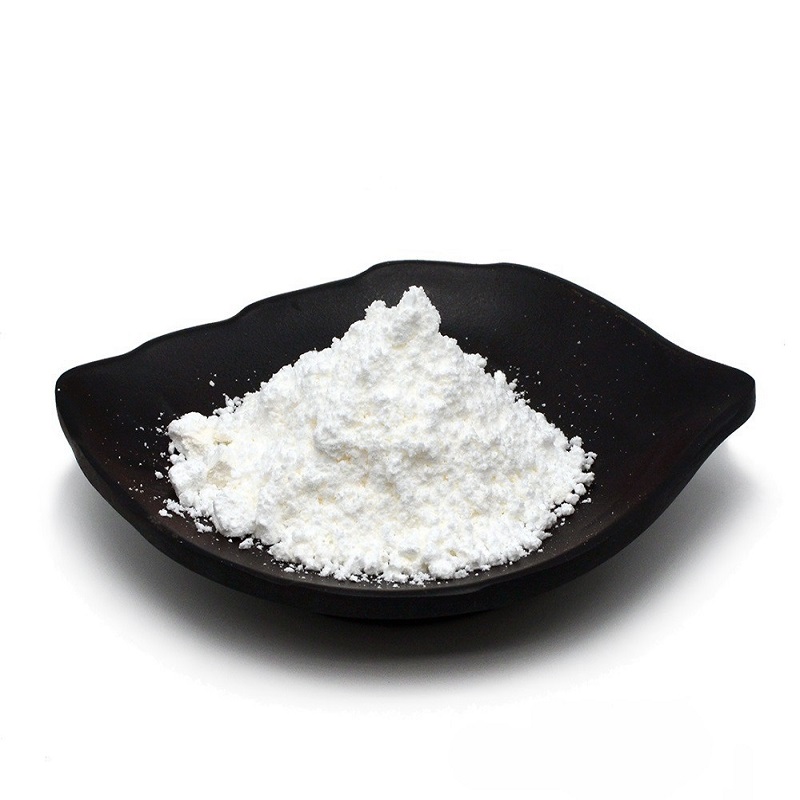
Moxidectin is a potent, broad-spectrum endectocide (antiparasitic that is active against endo- and ecto-parasites) with activity against nematodes, insects, and acari. It was first used in cattle followed by an approved use in general animals. It is a semi-synthetic methoxine derivative of nemadectin which is a 16-member pentacyclic lactone of the milbemycin class.
AI Product Description
*The following content is generated by AI and is for reference only.
Moxidectin is a potent macrocyclic lactone antiparasitic agent belonging to the milbemycin class, widely utilized in veterinary medicine for the control of internal and external parasites in various livestock species. Chemically, its molecular formula is C41H62N2O10, and it is identified by the CAS Registry Number 113507-06-5. The compound features a complex structure with a spiroketal moiety that contributes to its high lipophilicity and prolonged duration of action compared to earlier generations of avermectins.
The primary mechanism of action involves the activation of glutamate-gated chloride channels in nerve and muscle cells of susceptible invertebrates. This leads to hyperpolarization of the cell membrane, resulting in paralysis and death of the parasite. Moxidectin demonstrates exceptional efficacy against a broad spectrum of nematodes, including gastrointestinal roundworms, lungworms, and heartworms, as well as certain arthropods like mites and lice. Its unique pharmacokinetic profile allows for sustained release from subcutaneous injection sites or slow absorption after oral administration, providing protection for extended periods, often up to six months depending on the formulation and species treated.
This drug is extensively used in cattle, sheep, horses, and dogs. In equine medicine, it is particularly valued for preventing and treating strongyles, while in small animals, it serves as a key component in monthly heartworm preventatives and treatments for sarcoptic mange. The development of moxidectin addressed resistance issues seen with some older parasiticides, offering a reliable solution where other agents have failed. However, specific care must be taken regarding dosage in certain breeds of dogs possessing the MDR1 gene mutation, as they may exhibit increased sensitivity to neurotoxic effects. Overall, Moxidectin represents a cornerstone in modern veterinary parasitology, ensuring animal health, welfare, and productivity through effective, long-lasting parasite control strategies across diverse agricultural and companion animal settings.



 (All Rights Reserved)