Product Description
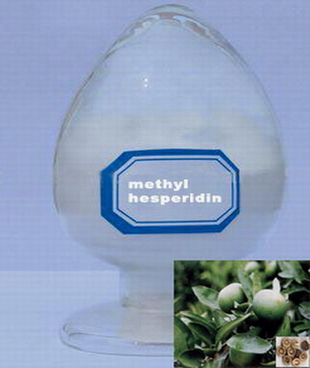
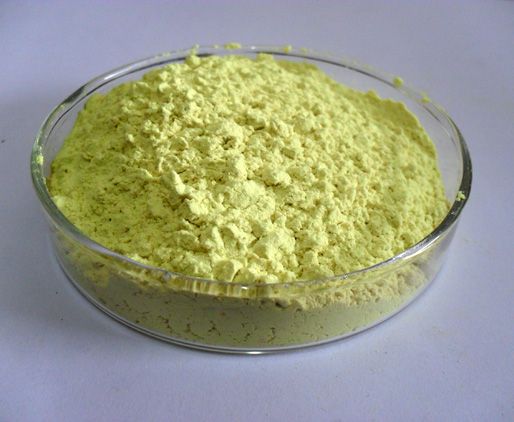
It has the functions of protecting liver cell membrane and improving the liver function. Meanwhile, it has the function of detoxification, reducing the blood fat, benefiting the gallbladder, protecting the brain and removing the free radical of body and a
AI Product Description
*The following content is generated by AI and is for reference only.
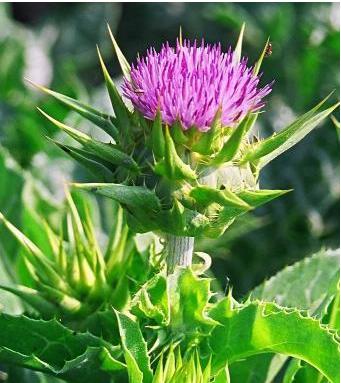
Milk Thistle Extract, primarily standardized for its active constituent silymarin, is a potent botanical supplement derived from the seeds of *Silybum marianum*, commonly known as the milk thistle plant. Silymarin itself is not a single molecule but a complex mixture of flavonolignans, with silybin (silibinin) being the most abundant and biologically active component, comprising approximately 50-70% of the extract. The molecular formula for silybin A is C₂₅H₂₂O₁₀, while silybin B shares this formula; however, the specific CAS number varies depending on the exact fraction or salt form used in commercial applications. For instance, silybin dihemisuccinate has a distinct CAS registry, whereas crude silymarin extracts often lack a single universal CAS due to their variable composition.
The primary therapeutic application of Milk Thistle Extract centers on hepatoprotection. It has been extensively studied for its ability to support liver health by stabilizing cell membranes, enhancing protein synthesis, and acting as a powerful antioxidant. By scavenging free radicals and inhibiting lipid peroxidation, silymarin helps protect hepatocytes from damage caused by toxins such as alcohol, carbon tetrachloride, and certain pharmaceuticals. Furthermore, it promotes the regeneration of liver tissue, making it a valuable adjunct in managing conditions like alcoholic liver disease, non-alcoholic fatty liver disease, and viral hepatitis. Beyond liver support, emerging research suggests potential benefits for metabolic syndrome, including improved insulin sensitivity and cholesterol regulation. In the cosmetic industry, its anti-inflammatory and antioxidant properties are utilized to combat skin aging and UV-induced damage. While generally considered safe with a favorable side effect profile, standardization to a specific percentage of silymarin (typically 70-80%) is crucial for ensuring consistent efficacy across dietary supplements and nutraceutical formulations. Its mechanism involves modulating various signaling pathways related to inflammation and oxidative stress, solidifying its status as a cornerstone herb in natural medicine for detoxification and cellular protection.




 (All Rights Reserved)