Product Description
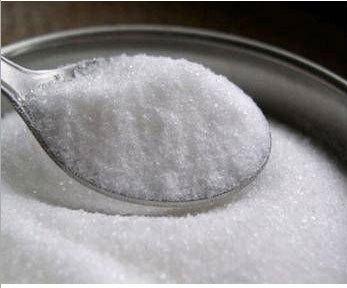
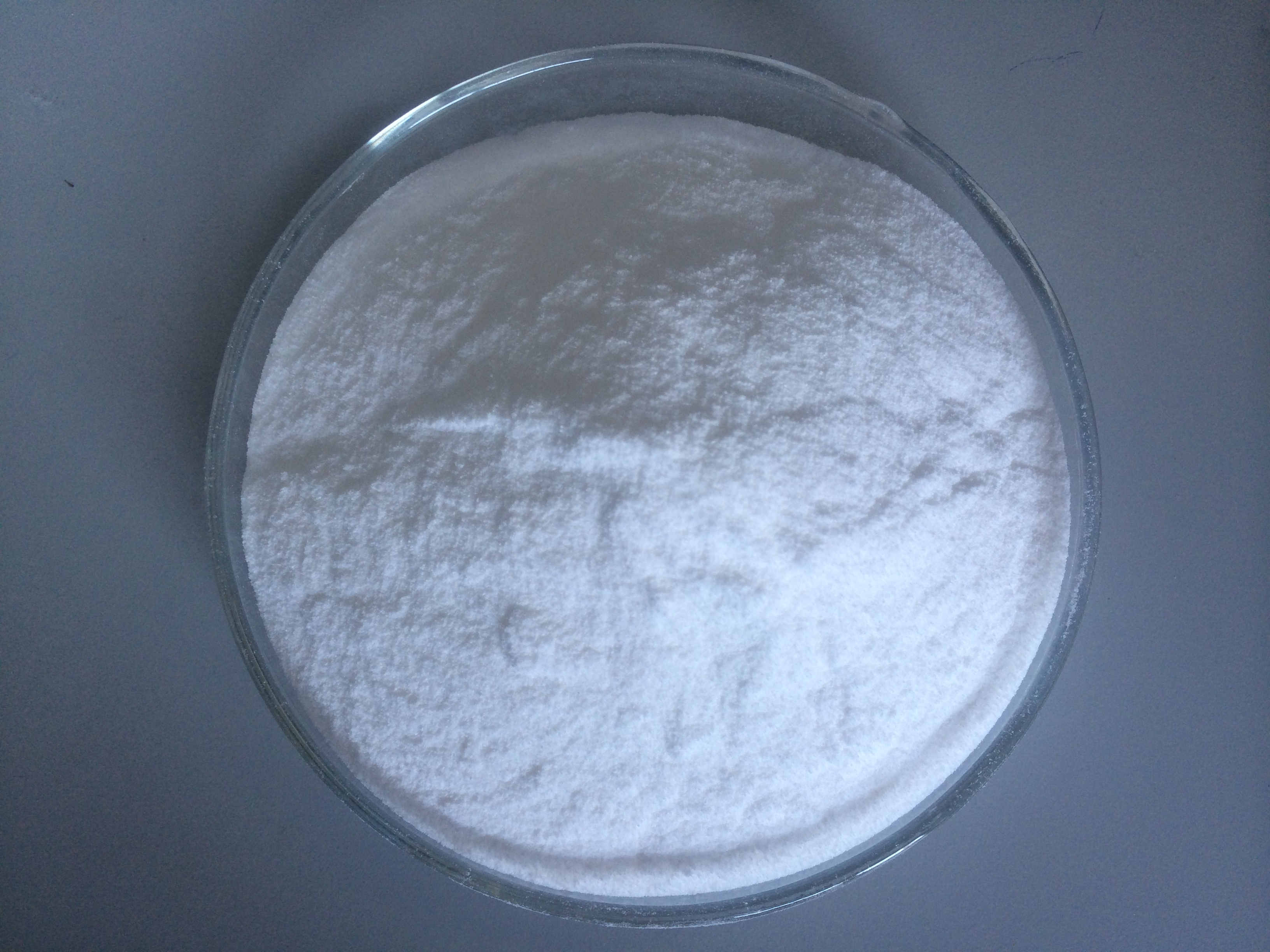
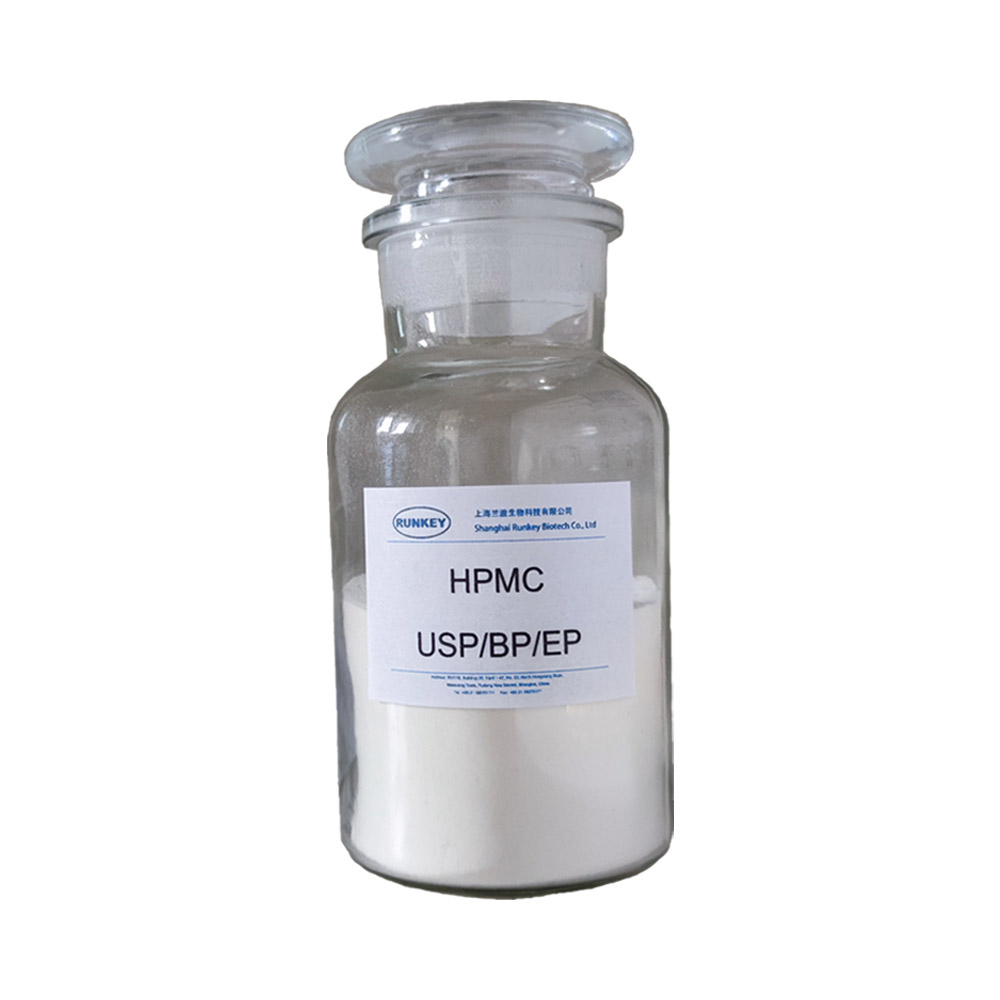
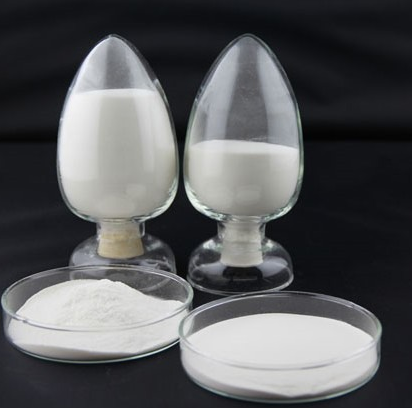
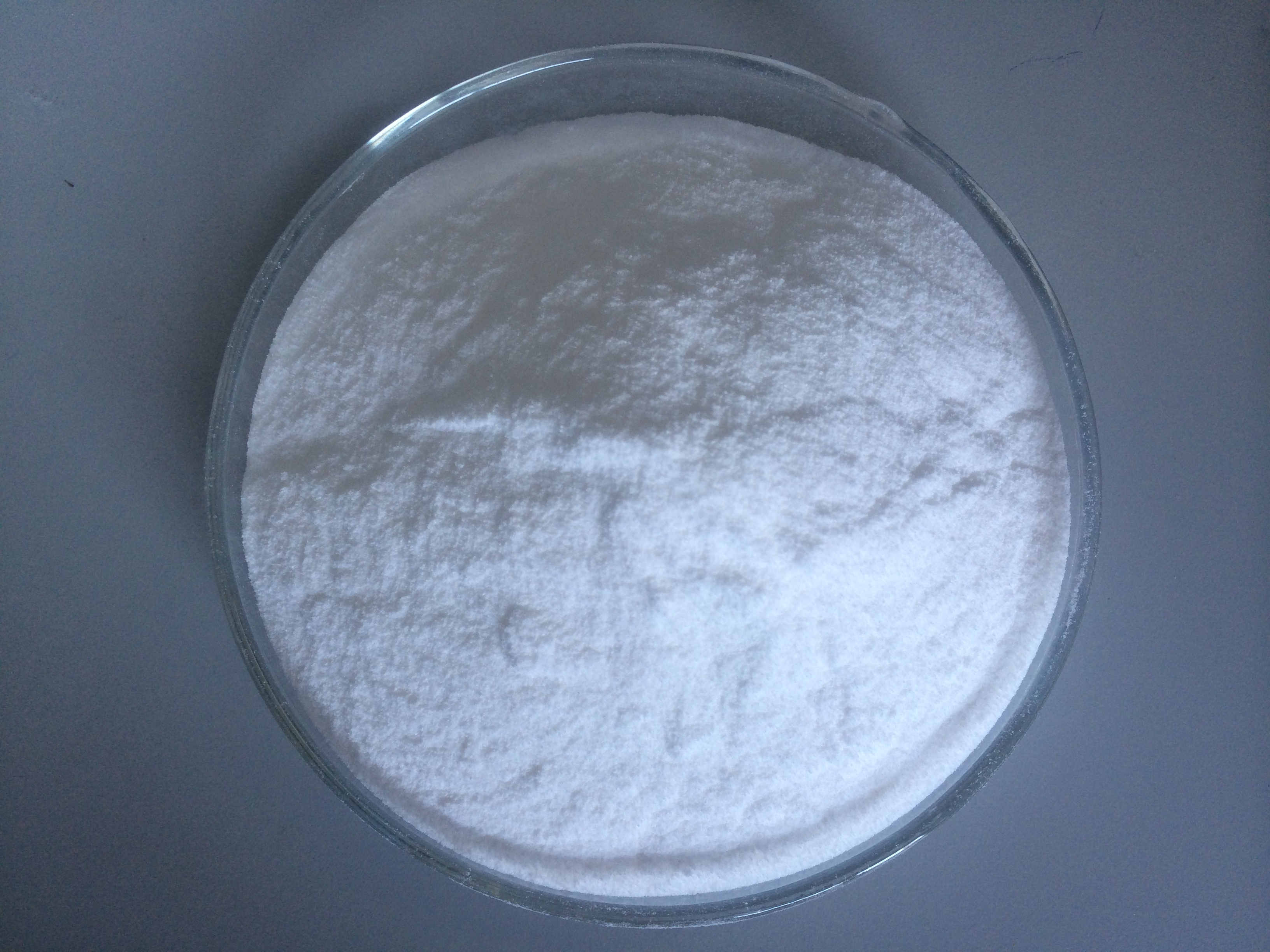
Microcrystalline cellulose is widely used in pharmaceutical formulations, mainly as a diluent and adhesive in oral tablets and capsules. It can be used not only for wet granulation but also for dry direct compression. It also has a certain lubricating and disintegrating effect, which is very useful in tablet preparation.
AI Product Description
*The following content is generated by AI and is for reference only.
Microcrystalline cellulose (MCC) is a refined wood pulp product consisting of partially depolymerized cellulose chains. It serves as a versatile excipient widely utilized across the pharmaceutical, food, and cosmetic industries due to its unique physicochemical properties. The molecular formula for cellulose is (C₆H₁₀O₅)n, reflecting its polymeric nature composed of repeating anhydroglucose units linked by β-1,4-glycosidic bonds. Its specific CAS Registry Number is 9004-34-6, which identifies this standardized form of purified cellulose in global chemical databases.
In the pharmaceutical sector, MCC is predominantly employed as a direct compression filler and binder in tablet manufacturing. Its excellent compressibility allows for the production of robust tablets without requiring complex granulation processes, thereby streamlining production costs. Furthermore, it acts as a disintegrant, facilitating rapid tablet breakdown upon ingestion to ensure efficient drug release and bioavailability. In the food industry, MCC functions as a stabilizer, thickener, and anti-caking agent. It enhances texture in low-fat products, prevents ice crystal formation in frozen desserts, and improves mouthfeel without altering flavor profiles. Its high purity and safety profile make it suitable for dietary supplements and specialized nutritional formulations.
Cosmetically, MCC provides bulk and viscosity control in creams, lotions, and toothpastes, contributing to a smooth application feel. As a natural, biodegradable, and non-toxic material derived from renewable resources, it aligns with growing consumer demand for sustainable ingredients. The material exhibits high surface area and porosity, making it effective for controlled drug delivery systems where sustained release mechanisms are required. Additionally, its inertness ensures compatibility with a broad spectrum of active pharmaceutical ingredients, minimizing the risk of adverse chemical interactions. Regulatory bodies worldwide, including the FDA and EMA, have approved MCC for extensive use in human consumption applications. Overall, Microcrystalline cellulose remains a cornerstone ingredient in modern formulation science, bridging the gap between functional performance and regulatory compliance while supporting innovation in diverse product categories ranging from everyday foods to life-saving medications.





 (All Rights Reserved)