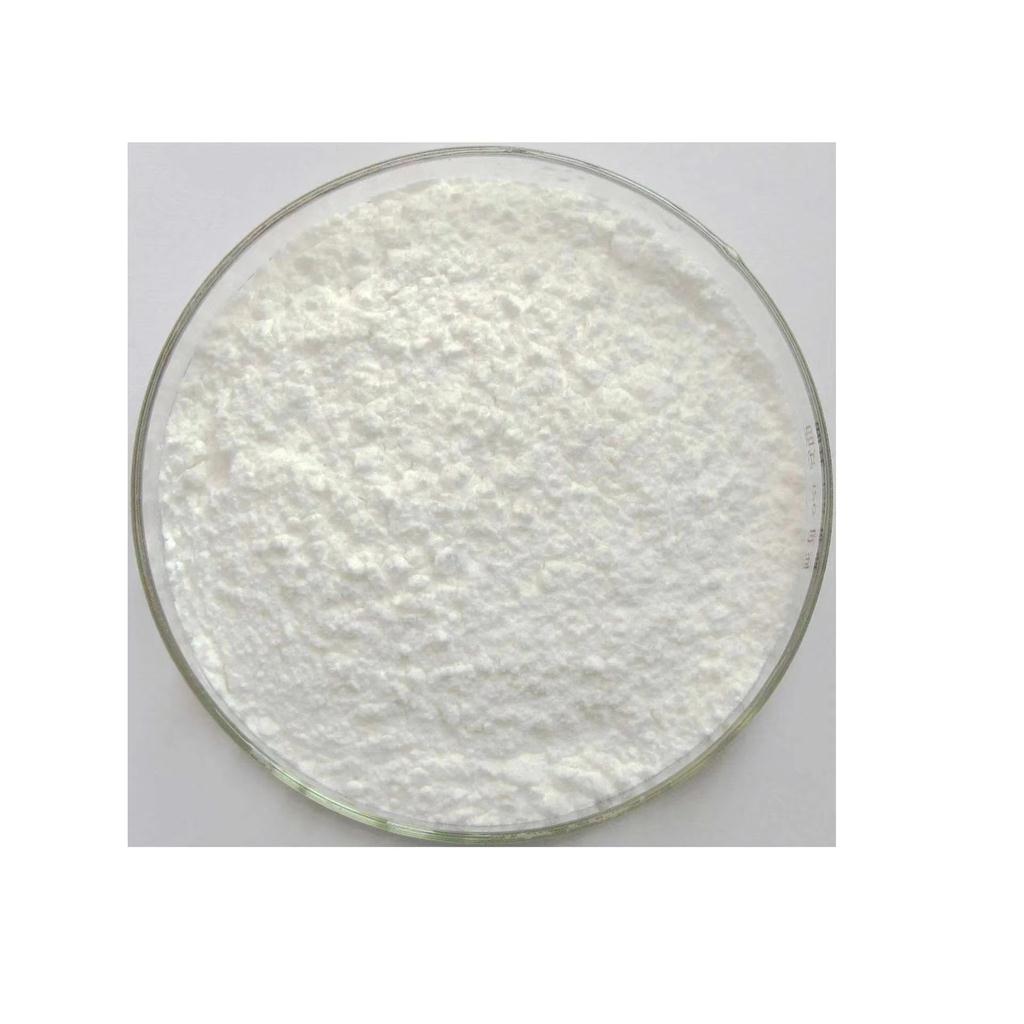
Product Description
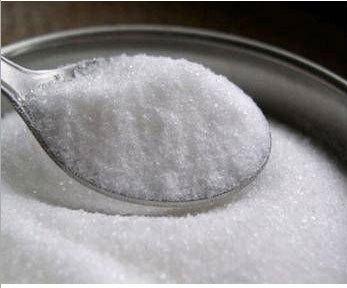
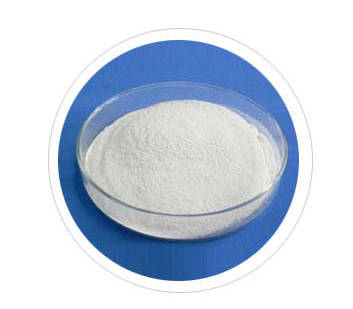
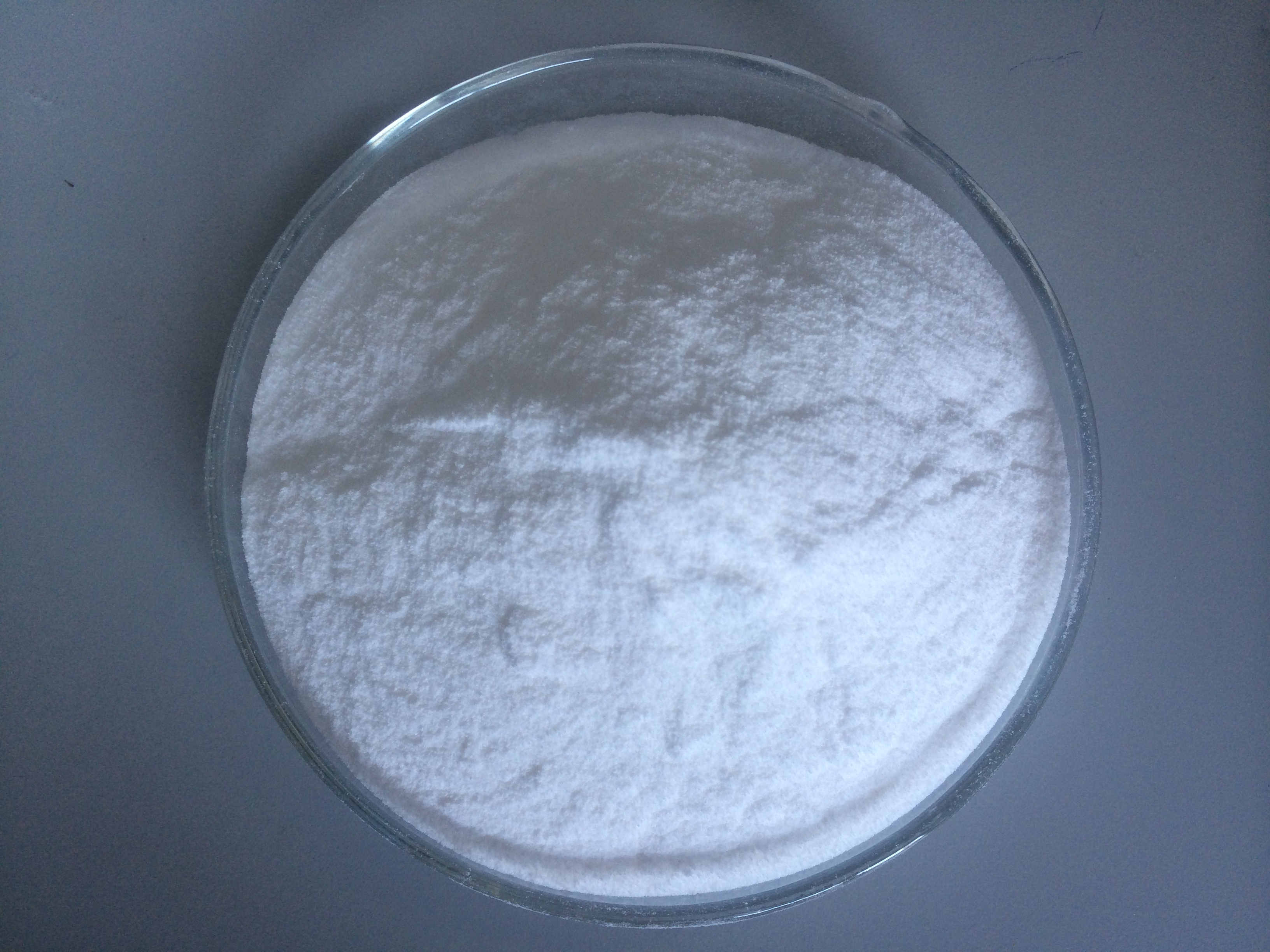
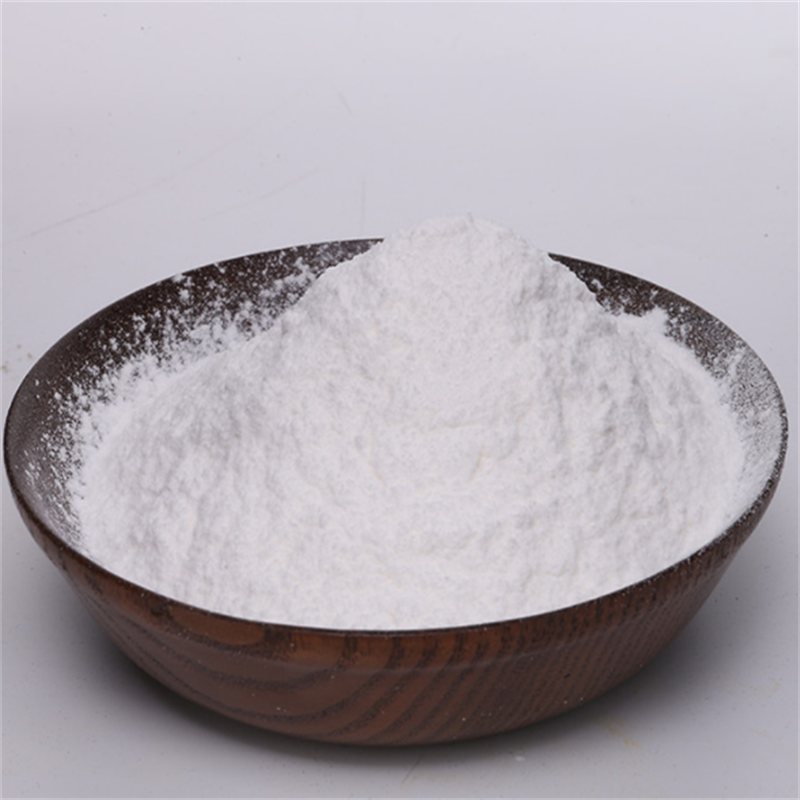
Microcrystalline cellulose is widely used in pharmaceutical formulations, mainly as a diluent and adhesive in oral tablets and capsules. It can be used not only for wet granulation but also for dry direct compression. It also has a certain lubricating and disintegrating effect, which is very useful in tablet preparation.
AI Product Description
*The following content is generated by AI and is for reference only.
Microcrystalline cellulose (MCC) is a refined, partially depolymerized cellulose obtained by treating natural cellulose with strong acids. It serves as a versatile excipient widely utilized in the pharmaceutical, food, and cosmetic industries due to its unique physical and chemical properties. The molecular formula of MCC is generally represented as (C₆H₁₀O₅)ₙ, reflecting its polymeric structure derived from glucose units, though it lacks a single fixed molecular weight because it consists of chains of varying lengths. Its specific CAS number is 9004-34-6, which uniquely identifies this substance in chemical databases worldwide.
In the pharmaceutical sector, MCC is predominantly employed as a direct compression filler and binder in tablet manufacturing. Its excellent compressibility allows for the production of robust tablets without the need for complex granulation processes, significantly streamlining production efficiency. Furthermore, it acts as a disintegrant, ensuring that tablets break down rapidly in the gastrointestinal tract to facilitate drug release and absorption. Beyond medicine, MCC functions as a texture modifier and anti-caking agent in the food industry. It improves mouthfeel in low-fat products, stabilizes emulsions in dairy items like ice cream, and prevents clumping in powdered foods. In cosmetics and personal care formulations, it provides bulk and viscosity control while offering a smooth application feel.
The material is biocompatible, non-toxic, and chemically inert, making it safe for human consumption and topical use. It is also insoluble in water and most organic solvents but swells in acidic environments. Due to its high surface area and crystalline nature, MCC enhances the mechanical strength of formulations while maintaining stability over time. As a renewable resource derived from wood pulp or cotton linters, it aligns with sustainable manufacturing trends. Whether used to ensure consistent dosage in medications, improve texture in processed foods, or stabilize cosmetic creams, Microcrystalline cellulose remains an indispensable component in modern industrial applications, valued for its reliability, safety profile, and functional versatility across diverse product categories.





 (All Rights Reserved)