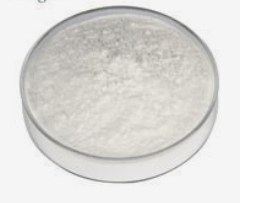
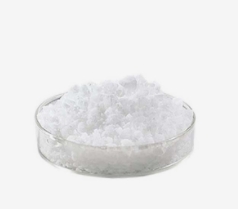
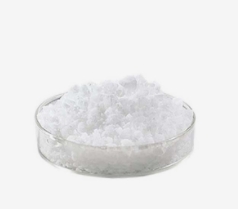
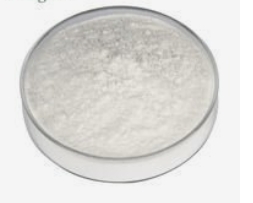
Mayatatin is a white or off-white crystalline powder. This product is dissolved in acetone, slightly soluble in ethanol and ethyl acetate, and insoluble in water.
Regulatory Status: DMF Certificate
It complies with In-house Standard.
*The following content is generated by AI and is for reference only.
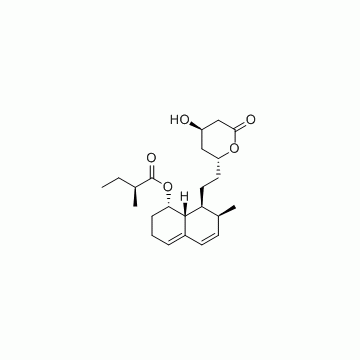
Mevastatin, also known as compactin or ML-236B, is a naturally occurring statin compound originally isolated from the mold *Penicillium citrinum*. It holds significant historical importance as the first statin ever discovered, paving the way for the development of modern cholesterol-lowering medications. The chemical formula of Mevastatin is C24H36O5, and its unique structure features a hexahydronaphthalene ring system linked to a side chain containing a lactone moiety. Its CAS registry number is 19070-87-0, which serves as a definitive identifier for this specific substance in chemical databases and regulatory frameworks.
Functionally, Mevastatin acts as a potent competitive inhibitor of HMG-CoA reductase, the rate-limiting enzyme in the mevalonate pathway responsible for cholesterol biosynthesis. By blocking this enzymatic step, Mevastatin effectively reduces intracellular cholesterol levels, prompting cells to upregulate LDL receptors on their surface to clear circulating low-density lipoprotein from the bloodstream. This mechanism leads to a substantial decrease in plasma total cholesterol and LDL-C levels, making it a critical tool in research regarding lipid metabolism and cardiovascular disease prevention. Although it was largely superseded by more potent and orally bioavailable synthetic analogs like lovastatin and atorvastatin in clinical practice due to issues with efficacy and toxicity profiles, Mevastatin remains an essential reference compound in pharmaceutical research. Scientists utilize it extensively to study the molecular mechanisms of statin action, screen for new drug candidates, and understand the genetic regulation of cholesterol homeostasis. Furthermore, its discovery revolutionized the field of medicine, demonstrating that inhibiting cholesterol synthesis could safely manage hyperlipidemia, thereby reducing the risk of heart attacks and strokes globally. Today, while not commonly used as a therapeutic agent itself, Mevastatin stands as a cornerstone in the history of pharmacology, illustrating the transformative power of natural product discovery in treating chronic metabolic disorders.





 (All Rights Reserved)
![6-broMo-2-chloro-8-cyclopentyl-5-Methylpyrido[2,3-d]pyriMidin-7(8H)-one](https://eimg.pharmasources.com/image/20250617/4zoOybJjzUTk0UgguabMkX7VnrDIlxHluERwqkjK.jpg)