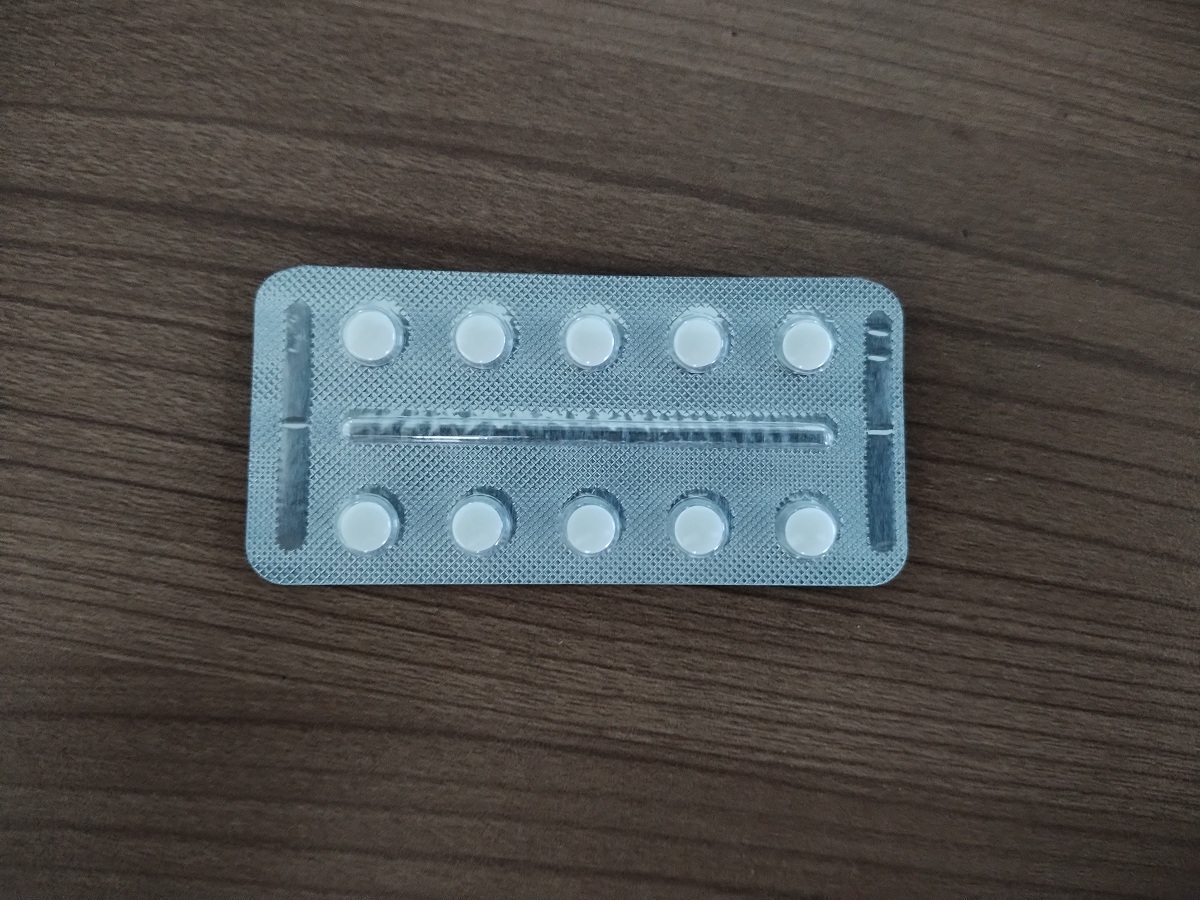
Medroxyprogesterone acetate tablets belong to the progesterone class of drugs and mainly act on the endometrium.It can be used to treat menstrual irregularities, functional uterine bleeding and endometriosis. In addition, the anti-estrogen effect of this product can also be used to treat breast cancer, endometrial cancer, prostate cancer, kidney cancer and other hormone-dependent tumors.
Specification: 2mg
*The following content is generated by AI and is for reference only.
Medroxyprogesterone Acetate Tablets are synthetic progestin medications primarily used to treat abnormal uterine bleeding caused by hormonal imbalances. They function by mimicking the natural hormone progesterone, which regulates the menstrual cycle and maintains the lining of the uterus. Beyond managing irregular periods, these tablets are frequently prescribed as part of hormone replacement therapy (HRT) for postmenopausal women to prevent endometrial hyperplasia when estrogen is also administered. Additionally, they play a crucial role in treating certain types of breast cancer and kidney cancer that have metastasized, serving as an important component in palliative care strategies.
Patients taking this medication must adhere strictly to their prescribed dosage and schedule. It is generally recommended to take the tablet at the same time each day to maintain consistent blood levels. Before initiating treatment, individuals should disclose their full medical history to their healthcare provider, particularly regarding conditions such as liver disease, a history of blood clots, stroke, or undiagnosed vaginal bleeding. Pregnant women should not use this drug unless explicitly directed by a physician, as it may harm the developing fetus.
Common side effects include nausea, headache, dizziness, breast tenderness, and changes in menstrual flow. More serious but rare risks involve thromboembolic events, such as deep vein thrombosis or pulmonary embolism, which require immediate medical attention if symptoms like leg swelling, chest pain, or sudden shortness of breath occur. Long-term use may slightly increase the risk of breast cancer and cardiovascular issues, necessitating regular check-ups. Patients should avoid smoking while on this therapy to reduce clotting risks further. If a dose is missed, it should be taken as soon as remembered unless it is nearly time for the next scheduled dose; doubling up is discouraged. This medication requires careful monitoring and should only be used under the supervision of a qualified healthcare professional who can weigh the benefits against potential risks based on individual health profiles.






 (All Rights Reserved)