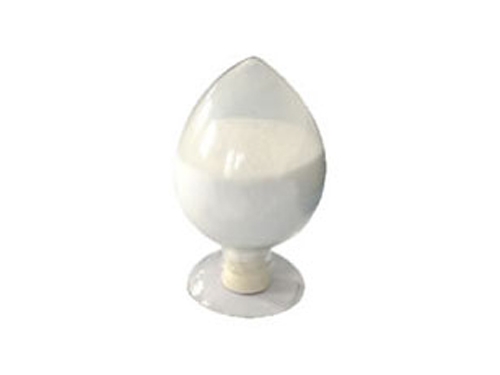
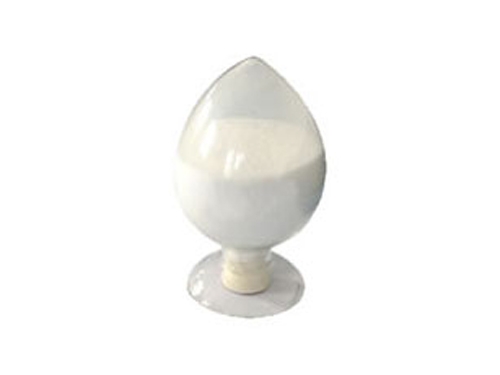
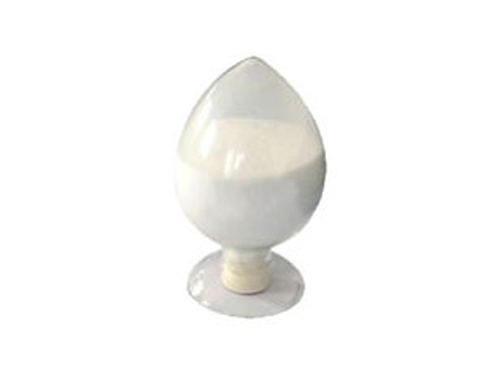
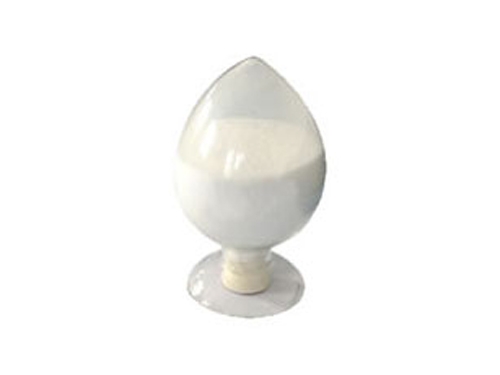
Product Description
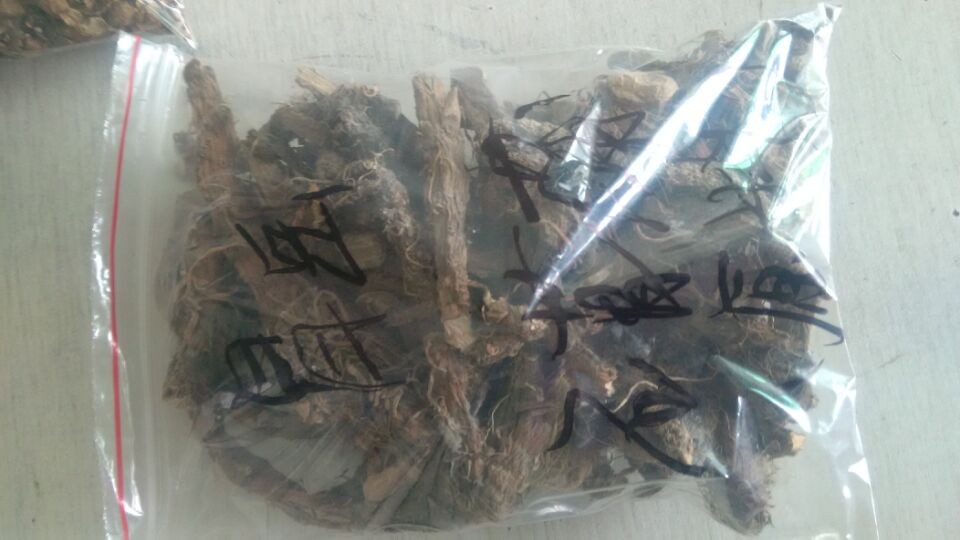
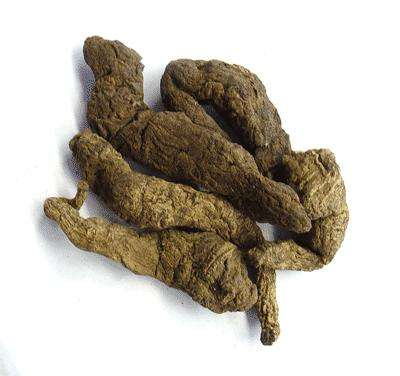
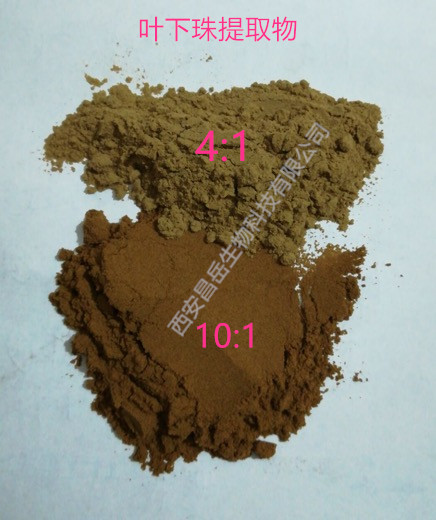
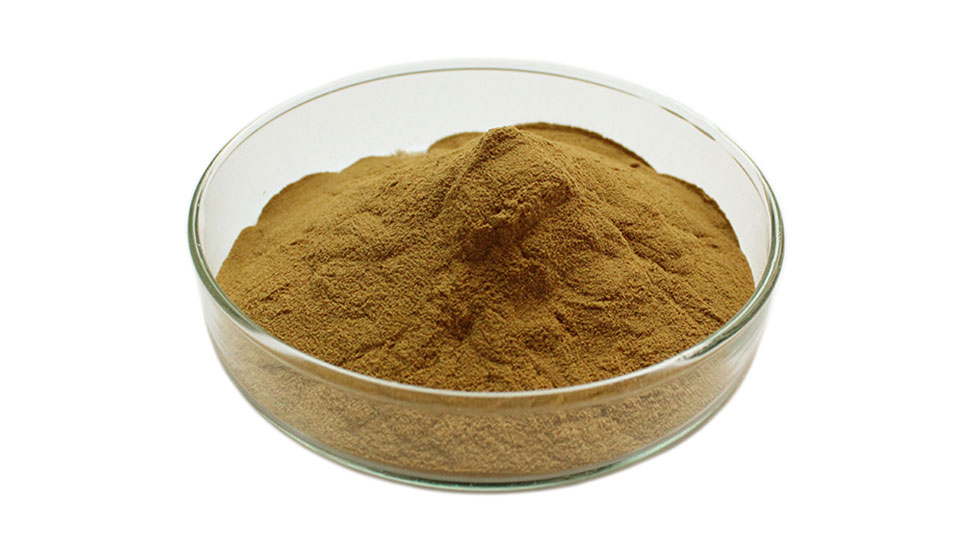
Tan powder, cough, improving eyesight, analgesia.
Cough, eye red, eyes ", have a headache.
AI Product Description
*The following content is generated by AI and is for reference only.
Meadowsweet extract, derived from the flowers and leaves of *Filipendula ulmaria* (formerly *Spiraea ulmaria*), is a versatile botanical ingredient widely utilized in cosmetics, pharmaceuticals, and dietary supplements. Unlike many other plant extracts, meadowsweet is notably rich in salicylates, particularly salicin, which serves as a natural precursor to salicylic acid. This unique chemical profile grants the extract potent anti-inflammatory, analgesic, and antioxidant properties, making it a valuable alternative to synthetic aspirin for soothing skin irritation and reducing pain.
The primary molecular component responsible for these effects is often associated with salicylic acid derivatives, though the extract itself is a complex mixture containing flavonoids like quercetin and tannins such as spireasaponin. While there is no single universal molecular formula for the entire crude extract due to its polyphenolic nature, key active constituents include C7H6O3 (salicylic acid) and various glycosides. The CAS number varies depending on the specific standardized fraction; however, the extract as a whole does not possess a single unique CAS registry number, whereas isolated compounds like salicin are registered under CAS 138-52-3. In the cosmetic industry, meadowsweet extract is prized for its ability to regulate sebum production, exfoliate dead skin cells gently, and calm redness associated with acne or rosacea. Its mild astringent qualities help tighten pores without causing excessive dryness. Furthermore, historical use in traditional medicine highlights its efficacy in treating fever, joint pain, and digestive disorders. Modern formulations leverage these benefits in serums, toners, and creams designed for sensitive or oily skin types. The extract also exhibits significant antimicrobial activity against common skin pathogens. Due to its natural origin and broad-spectrum bioactivity, it is increasingly favored in clean beauty products seeking effective, plant-based solutions for skin health and systemic wellness, bridging the gap between ancient herbal remedies and contemporary dermatological science.

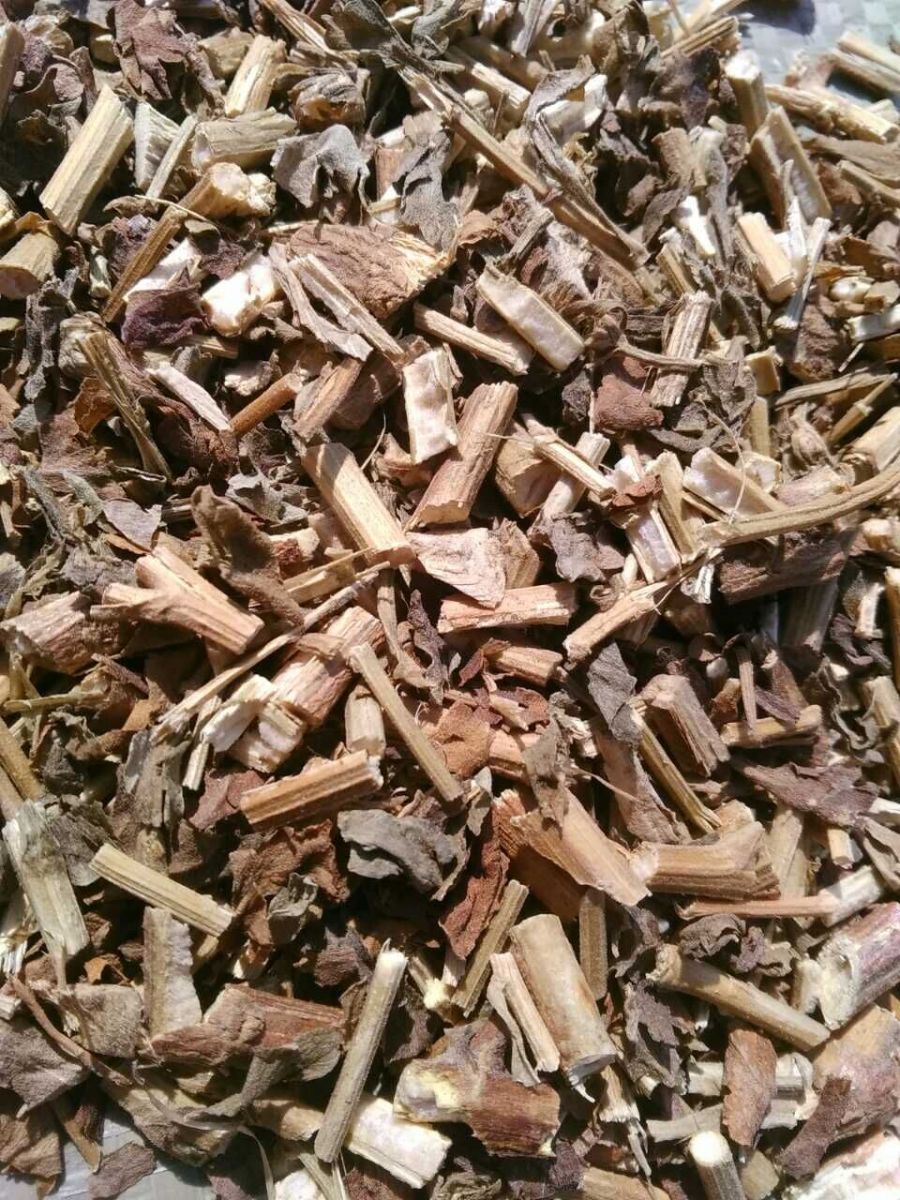









 (All Rights Reserved)