Product Description
Matrine and oxymatrine are the two major alkaloid components found in sophora roots. They are obtained primarily from Sophora japonica (kushen), but also from Sophora subprostrata (shandougen), and from the above ground portion of Sophora alopecuroides.
AI Product Description
*The following content is generated by AI and is for reference only.
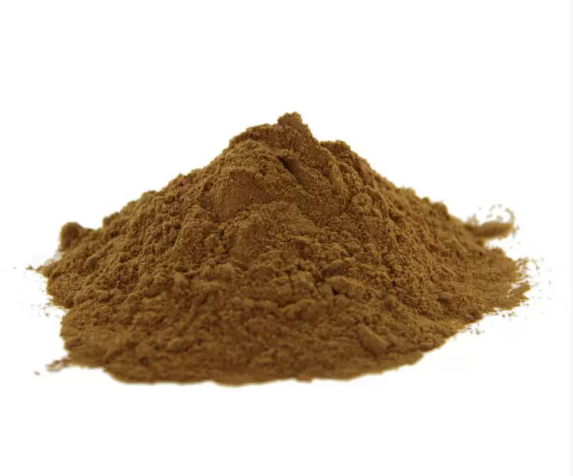
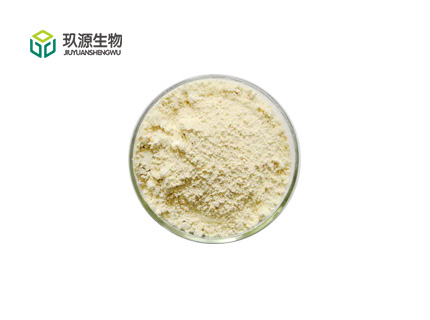
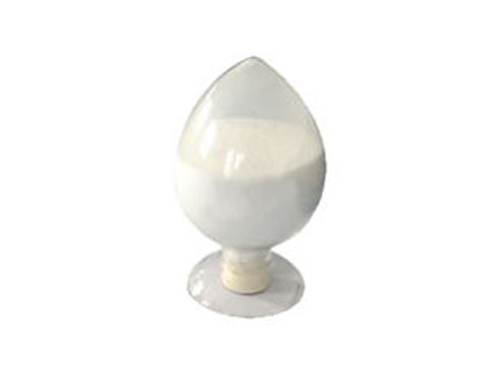
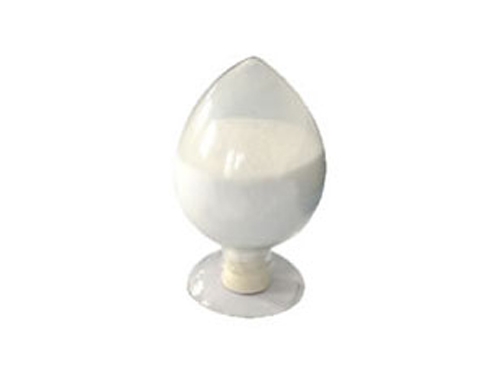
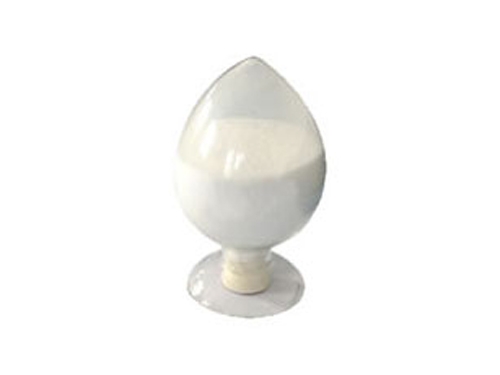
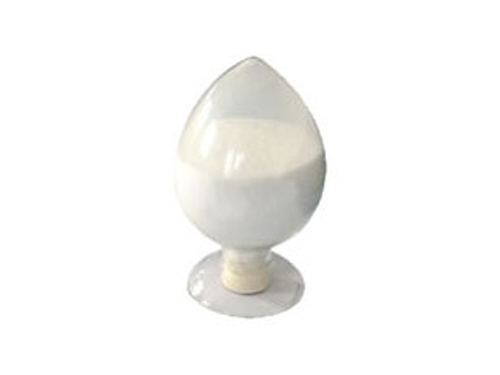
Matrine is a naturally occurring alkaloid primarily extracted from the seeds and stems of plants belonging to the Sophora genus, such as *Sophora flavescens*. Chemically classified as a quinolizidine alkaloid, it features a complex tetracyclic structure that contributes to its diverse biological activities. Its molecular formula is C15H24N2O, and it is identified by the CAS registry number 519-02-8. This compound typically appears as white to pale yellow crystals or powder with a slightly bitter taste and distinct solubility characteristics in various organic solvents and water under specific pH conditions.
The primary application of Matrine lies in the agricultural sector, where it serves as an effective, eco-friendly biopesticide. Due to its potent insecticidal, acaricidal, and nematicidal properties, it is widely utilized to control a broad spectrum of pests, including aphids, mites, leafhoppers, and root-knot nematodes. Unlike many synthetic chemical pesticides, Matrine exhibits low toxicity to non-target organisms, beneficial insects, and humans, making it a preferred choice for integrated pest management programs and organic farming systems. It acts through multiple modes of action, disrupting the nervous system of target pests and inhibiting their growth and reproduction without leaving harmful residues on crops.
Beyond agriculture, Matrine has garnered significant attention in pharmaceutical research for its potential therapeutic benefits. Studies suggest它具有 anti-inflammatory, antiviral, and hepatoprotective effects. Researchers are investigating its role in treating liver diseases, viral infections like hepatitis B, and certain types of cancer due to its ability to induce apoptosis in malignant cells. Furthermore, its immunomodulatory properties offer promising avenues for developing novel treatments for autoimmune disorders. As global demand shifts toward sustainable and safe agrochemicals alongside natural therapeutics, Matrine stands out as a versatile compound bridging the gap between traditional herbal medicine and modern biotechnology. Its continued study promises to unlock further applications in both crop protection and human health, reinforcing its status as a valuable resource in the natural product landscape.



 (All Rights Reserved)