Product Description
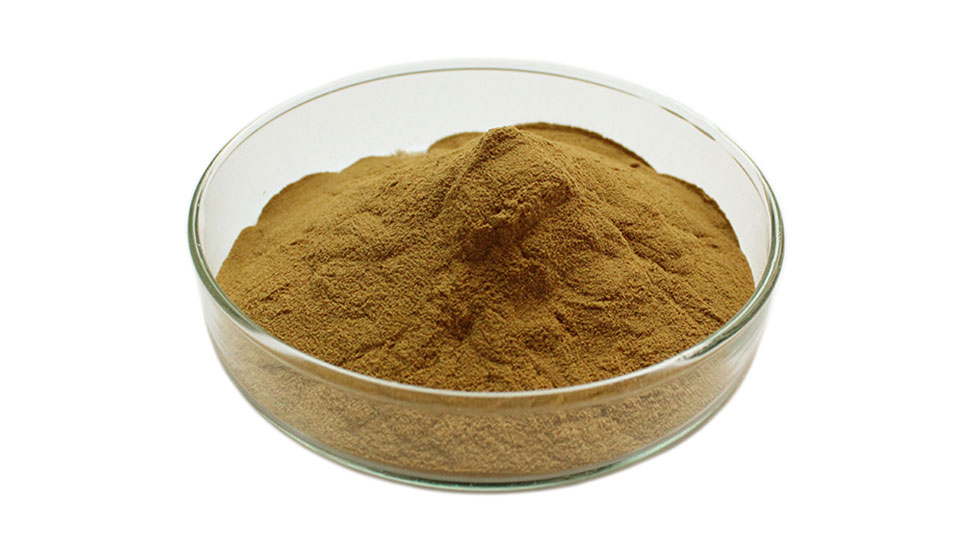
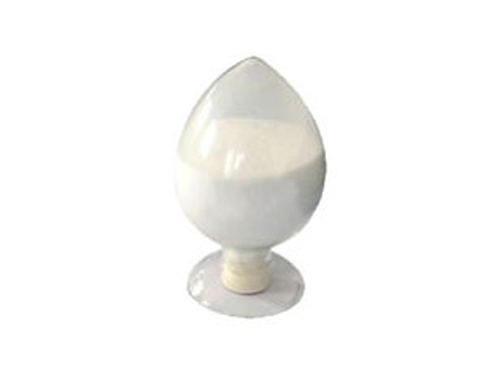
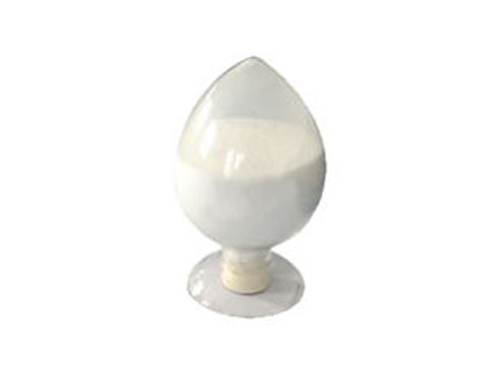
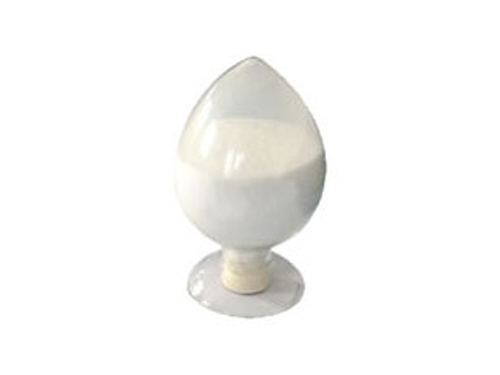
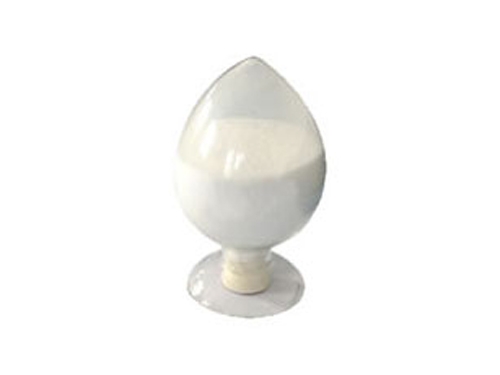
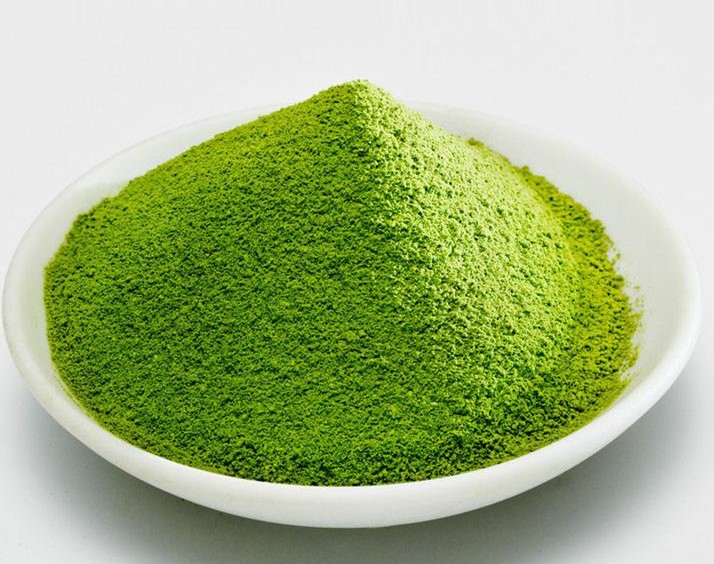
Maccha powder maccha is the popular image of the term, is to use natural stone mill grinds into micro powder steamed green green tea.
Because of its super fine powder state, so convenient extensive use in more areas.
AI Product Description
*The following content is generated by AI and is for reference only.
Matcha powder is a finely ground, vibrant green tea product derived from the Camellia sinensis plant. Unlike standard green tea where leaves are steeped and discarded, matcha involves shading the tea bushes for several weeks before harvest to boost chlorophyll and amino acid production. The entire leaf is then stone-ground into an ultra-fine powder, ensuring consumers ingest the full spectrum of nutrients. Due to its unique processing method, matcha does not possess a single molecular formula or a specific CAS number in the traditional sense, as it is a complex natural mixture rather than a pure chemical compound. Instead, it contains a diverse array of bioactive substances, including catechins like epigallocatechin gallate (EGCG), L-theanine, caffeine, vitamins, minerals, and dietary fiber.
The primary applications of matcha powder span culinary, cosmetic, and wellness sectors. In the food and beverage industry, it serves as a functional ingredient in lattes, smoothies, ice creams, and baked goods, prized for its distinct umami flavor and antioxidant properties. Nutritionally, matcha is celebrated for providing sustained energy without the jitters often associated with coffee, largely due to the synergistic effect of caffeine and L-theanine. This combination promotes focused alertness and relaxation simultaneously. Furthermore, the high concentration of antioxidants helps combat oxidative stress and supports overall metabolic health.
Beyond ingestion, matcha powder is increasingly utilized in the cosmetics industry. Its anti-inflammatory and antimicrobial qualities make it a popular component in face masks, scrubs, and soaps, where it aims to detoxify the skin, reduce redness, and improve texture. While no single CAS number applies to the powder itself, individual constituents such as EGCG have their own identifiers (e.g., CAS 989-51-5). As a versatile superfood, matcha continues to gain global popularity for bridging the gap between traditional Japanese culture and modern health-conscious lifestyles, offering a potent source of nutrition in every spoonful.










 (All Rights Reserved)