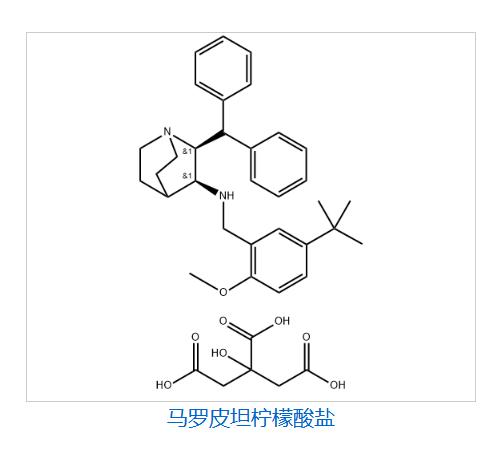
马罗皮坦柠檬酸盐化学性质熔点:153-159°C(lit.)闪点:100°C储存条件:2-8°C溶解度:H2O:1Mat20°C,clear,colorless形态:whitetooff-whitecrystallinepowder水溶解性:Water:3mg/mL(4.42mM)InChIKey:ChemicalbookXDZPFSKCXRGRIO-OHTRWSNQNA-NSMILES:C(O)(C(=O)O)(CC(=O)O)CC(=O)O.C(C1C=CC=CC=1)(C1C=CC=CC=1)[C@@H]1N2CCC(CC2)[C@@H]1NCC1C=C(C(C)(C)C)C=CC=1OC|&1:26,33,r|
*The following content is generated by AI and is for reference only.
Maropitant citrate hydrate is a highly effective, first-generation neurokinin-1 (NK1) receptor antagonist widely utilized in veterinary medicine to prevent and treat vomiting across various species. Chemically known as Maropitant citrate hydrate, this compound functions by blocking the action of substance P at NK1 receptors located in the vomiting center of the brain and the chemoreceptor trigger zone. By inhibiting these specific receptors, the drug effectively interrupts the emetic reflex pathway, providing rapid and reliable antiemetic control regardless of the underlying cause of nausea, whether it be gastrointestinal distress, motion sickness, or chemotherapy-induced reactions.
The molecular formula for maropitant citrate hydrate is typically represented as C23H26ClN3O·C6H8O7·xH2O, reflecting its complex structure which includes the active base maropitant combined with citric acid and water molecules in a crystalline lattice. Its precise CAS registry number is 109548-89-8, a unique identifier essential for regulatory compliance, safety data sheets, and pharmaceutical inventory management. This hydration state ensures optimal stability and solubility for various dosage forms, including injectable solutions and oral tablets commonly prescribed for dogs, cats, and occasionally other animals.
In clinical practice, maropitant citrate hydrate has revolutionized the management of acute and chronic vomiting conditions. It is particularly valued for its broad-spectrum efficacy, covering causes ranging from gastroenteritis and pancreatitis to post-operative nausea and travel sickness. Unlike older antiemetics that target only specific pathways, maropitant offers a more comprehensive approach by addressing central nervous system mediators directly. The drug is generally well-tolerated, though transient side effects such as injection site pain or mild sedation may occur. Its availability in multiple formulations allows veterinarians to tailor treatment plans to individual patient needs, ensuring quick recovery and improved quality of life. As a cornerstone in modern veterinary pharmacology, maropitant citrate hydrate remains an indispensable tool for managing emesis, significantly reducing patient stress and facilitating faster clinical outcomes in both hospital and home care settings.


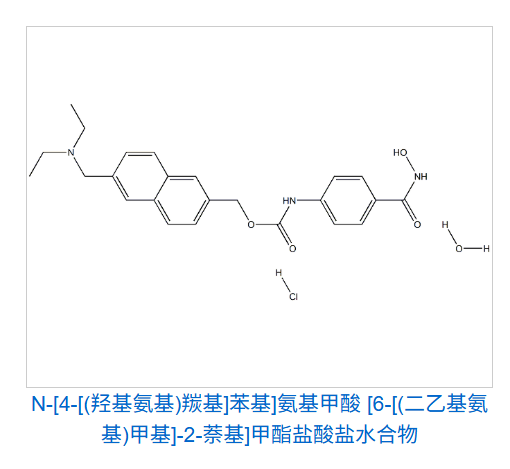
![6,8-Dioxo-5,7-diazaspiro[3.4]octane-2-carboxylic acid](https://eimg.pharmasources.com/image/product/20250403/02effeb5a7639bc84ff1f3add3c0c64fjpg)
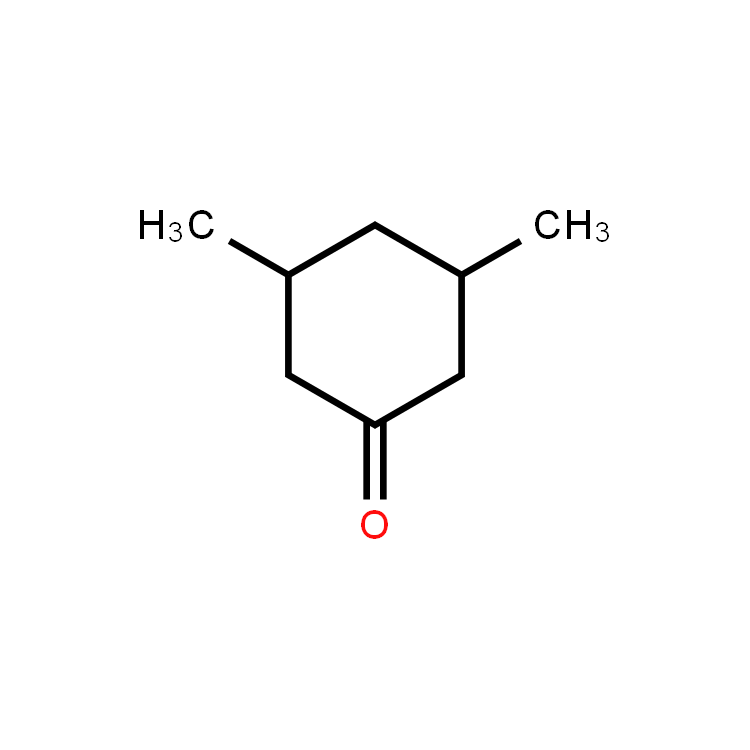
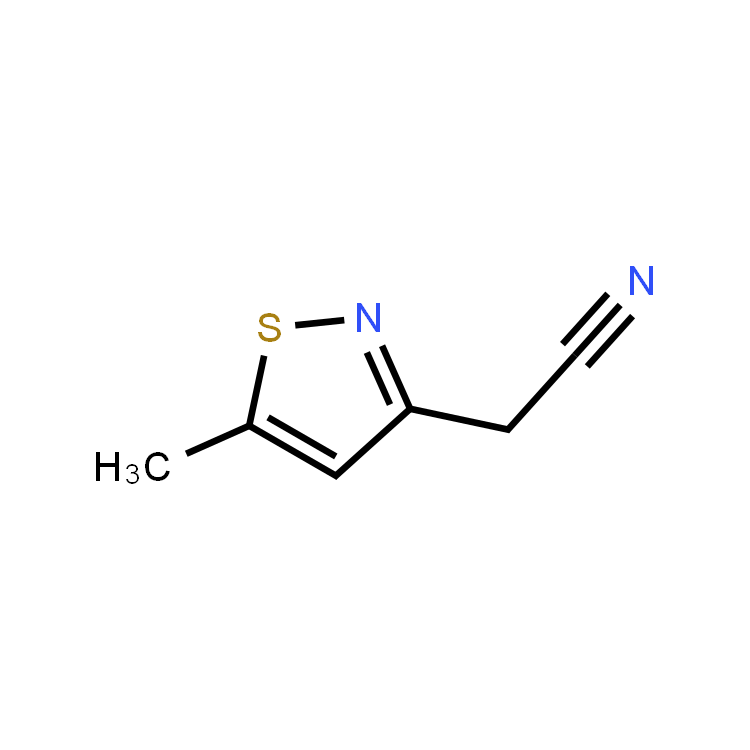
![8,16-Diazadispiro[6.1.6.2]heptadecan-17-one](https://eimg.pharmasources.com/image/product/20250403/ca91cba8b87e53fc879f8d8764873a40jpg)
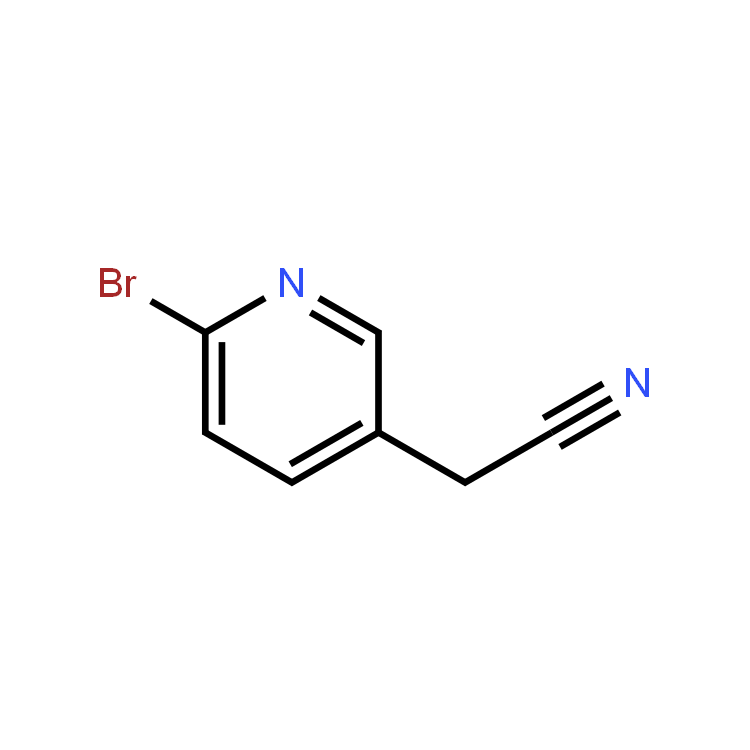
![8-Oxa-1,3-diazaspiro[4.5]decane-2,4-dione](https://eimg.pharmasources.com/image/product/20250403/60fa7223d5a34f24138486ceea0ffb15jpg)



 (All Rights Reserved)