Category:
Plant Extracts
CAS NO:
481-49-2
Standard:
ChP,USP,EP,

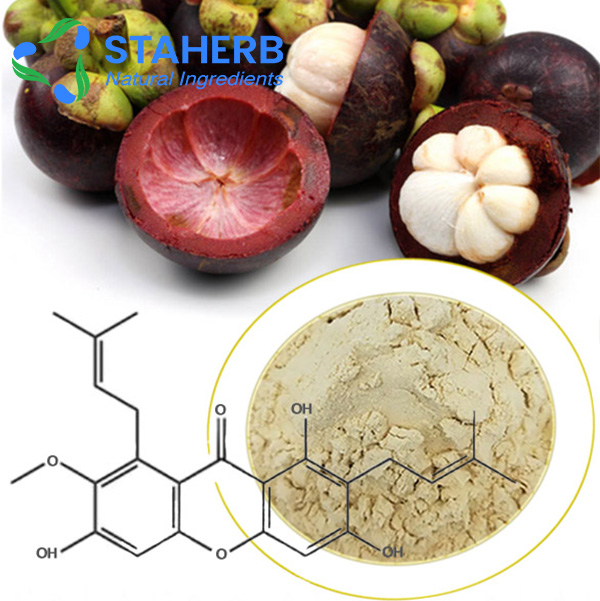

mangosteen rind contains tannins (polyphenols) and xanthones i.e. alpha-, beta- and gamma-mangostins. alpha-mangostin is a major component,which possess anti-inflammatory and antibacterial activities against methicillin-resistant staphylococcus aureus, s. epidermidis, and propionibacterium acne ,which is the critical eticologic agent in acne. it was also reported to inhibit alveolar duct formation in a mouse mammary organ culture model and to suppress the carcinogen induced formation of aberrant crypt foci in a short-term colon carcinogenesis model. in thailand, mangosteen fruit extract is popularly used as a food supplement while the fruit rind extract has been used in herbal cosmetics and pharmaceutical products.
anti-oxidant
anti-aging
anti-cancer
anti-bacterial
support microbiological balance
help the immune system
improve joint flexibility
provide mental support
treat diarrhea
treat infections
treat tuberculosis
mechanism
mangosteen is touted for its antioxidants, especially xanthones (a type of chemical in certain plants). independent scientific research studies showed that mangosteen contains more than 40 xanthones (alpha-mangostin is a major component),- roughly 20% of about 200 xanthones found in nature. the mangosteen is the single, most abundant source of xanthones known to science. a number of these xanthones were demonstrated in scientific studies to be even more potent antioxidant than vitamins c and e, two of the most powerful antioxidants found in food. they were also shown in scientific and pharmacological studies to possess a variety of immune-system-boosting and healing properties, such as supporting microbiological balance, helping the immune system, improving joint flexibility, and providing mental support. some proponents claim that it can help diarrhea, infections, tuberculosis, cancer, and a host of other illnesses.









 (All Rights Reserved) (All Rights Reserved)