Product Description
| CAS |
CAS号 |
14783-68-7 |
| molecular weight |
分子量 |
172.4 |
| molecular formula |
分子式 |
C4H8MgN2O4 |
| solubility |
溶解度 |
可溶于DMSO(少许)、甲醇(少许) |
| color |
颜色 |
白色至类白色 |
| flavor |
味道 |
微甜或中性,略带苦味 |
| state |
状态 |
固体 |
| melting point |
熔点 |
/ |
| boiling point |
沸点 |
240.9°C |
AI Product Description
*The following content is generated by AI and is for reference only.
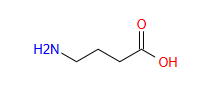
Magnesium Glycinate, often referred to as Magnesium Glycine, is a highly bioavailable form of magnesium bound to the amino acid glycine. Unlike other forms such as oxide or citrate, this chelated compound offers superior absorption rates with minimal risk of gastrointestinal distress, making it an ideal choice for individuals seeking to correct magnesium deficiencies without experiencing common side effects like diarrhea.
The primary applications of Magnesium Glycinate revolve around its profound impact on nervous system regulation and sleep quality. Due to the presence of glycine, which acts as an inhibitory neurotransmitter, this supplement is widely renowned for promoting deep relaxation, reducing anxiety, and improving sleep duration and efficiency. It helps calm the mind before bedtime, making it a popular natural remedy for insomnia and stress-related disorders. Furthermore, magnesium plays a critical role in hundreds of enzymatic reactions within the body. Consequently, Magnesium Glycinate supports muscle function by preventing cramps and spasms, aids in maintaining healthy bone density, and assists in regulating blood sugar levels and blood pressure. It is also frequently utilized to alleviate symptoms of premenstrual syndrome (PMS) and manage mild migraines associated with mineral imbalances.
Regarding safety and precautions, while generally considered safe for most adults when taken at recommended dosages, certain groups should exercise caution. Individuals with kidney disease must consult a healthcare provider before use, as impaired kidneys may struggle to filter excess magnesium, leading to toxicity. Those taking antibiotics, diuretics, or medications for osteoporosis should be aware of potential interactions, as magnesium can affect the absorption of these drugs if taken simultaneously. It is advisable to separate doses by at least two hours. Pregnant or breastfeeding women should seek medical advice prior to supplementation. Common side effects are rare but may include mild nausea if taken on an empty stomach. Always adhere to the suggested serving size on the product label and maintain adequate hydration. For optimal results, consistency is key, as therapeutic benefits often accumulate over several weeks of regular intake.






 (All Rights Reserved)