Product Description
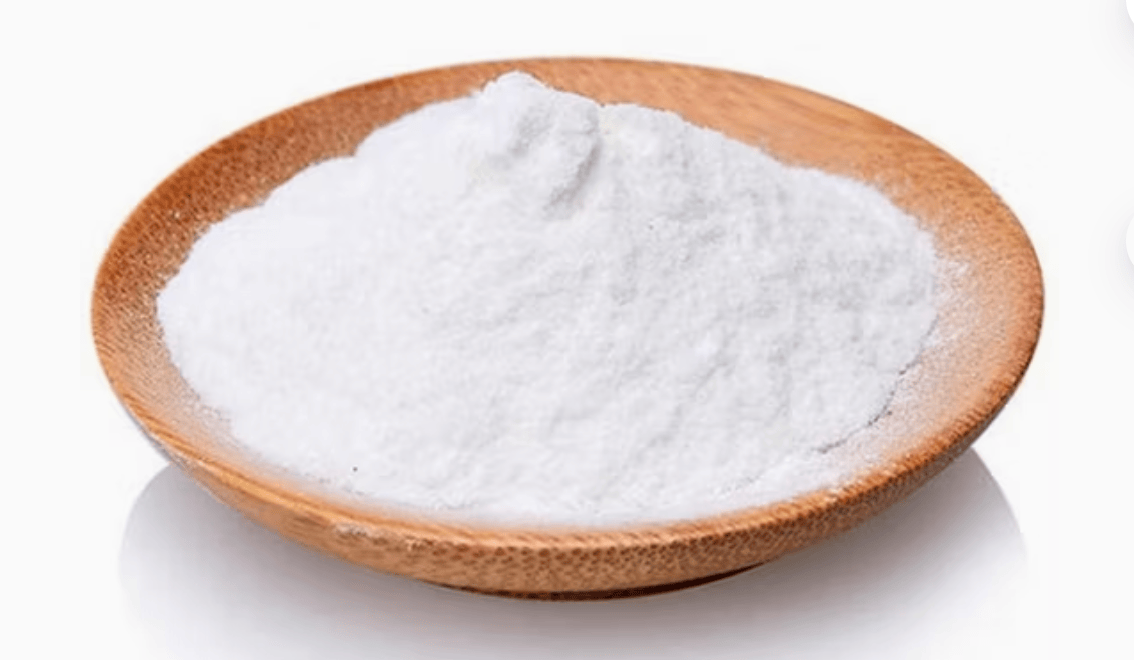
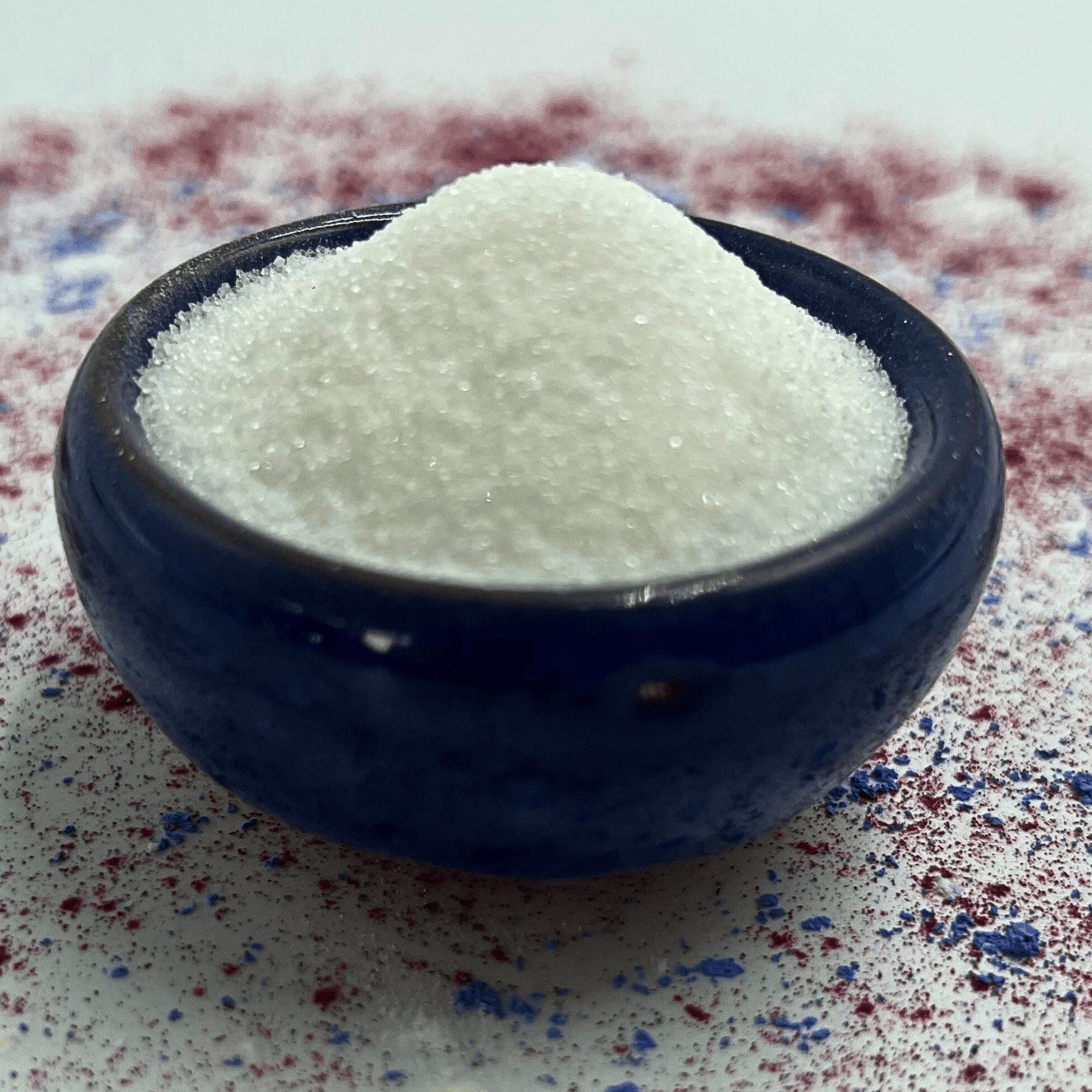
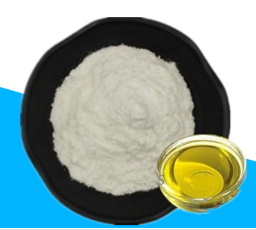
Magnesium octanoate, also known as magnesium caprylate, is a chemical compound that's used as a dietary supplement and in food additives.
Properties
- Has the chemical formula C16H30MgO4
- Contains magnesium and octanoic acid
- Has a CAS number of 3386-57-0
- Is used as a lubricant, release agent, anticaking agent, and emulsifier
Uses
- As a dietary supplement
- In food additives as a lubricant or release agent
AI Product Description
*The following content is generated by AI and is for reference only.
Magnesium Octanoate is a specialized organic salt formed by the reaction of magnesium hydroxide or oxide with octanoic acid, also known as caprylic acid. This compound is primarily utilized in the fields of nutritional supplementation and pharmaceutical science due to its unique chemical properties. As a source of bioavailable magnesium, it serves as an effective dietary supplement aimed at correcting magnesium deficiencies, supporting muscle function, maintaining nerve health, and promoting cardiovascular stability. Unlike some inorganic magnesium salts, Magnesium Octanoate is often favored for its potential to offer enhanced absorption rates while minimizing gastrointestinal discomfort, such as laxative effects, which are common with cheaper alternatives like magnesium oxide.
Beyond general supplementation, this substance plays a significant role in research related to metabolic health. Caprylic acid, the fatty acid component, possesses well-documented antimicrobial and antifungal properties. When bound to magnesium, the resulting compound may offer synergistic benefits, potentially aiding in the management of conditions where both electrolyte balance and microbial regulation are critical. It is occasionally investigated for its utility in ketogenic diets, where medium-chain triglycerides (MCTs) derived from caprylic acid are used to generate ketone bodies for energy. In industrial applications, it acts as a stabilizer or precursor in the synthesis of various organic compounds and coatings.
However, handling Magnesium Octanoate requires adherence to specific safety protocols. While generally considered safe for oral consumption within recommended dosages, excessive intake can lead to hypermagnesemia, characterized by nausea, hypotension, and irregular heartbeats. Individuals with kidney impairment must exercise extreme caution, as their bodies may struggle to excrete excess magnesium efficiently. Furthermore, since it is an organic salt, it should be stored in a cool, dry place away from moisture to prevent degradation or clumping. Always consult a healthcare professional before initiating any new supplement regimen to ensure compatibility with existing medical conditions and medications. Proper labeling and dosage adherence are essential to maximize therapeutic benefits while mitigating potential risks associated with mineral supplementation.






 (All Rights Reserved)