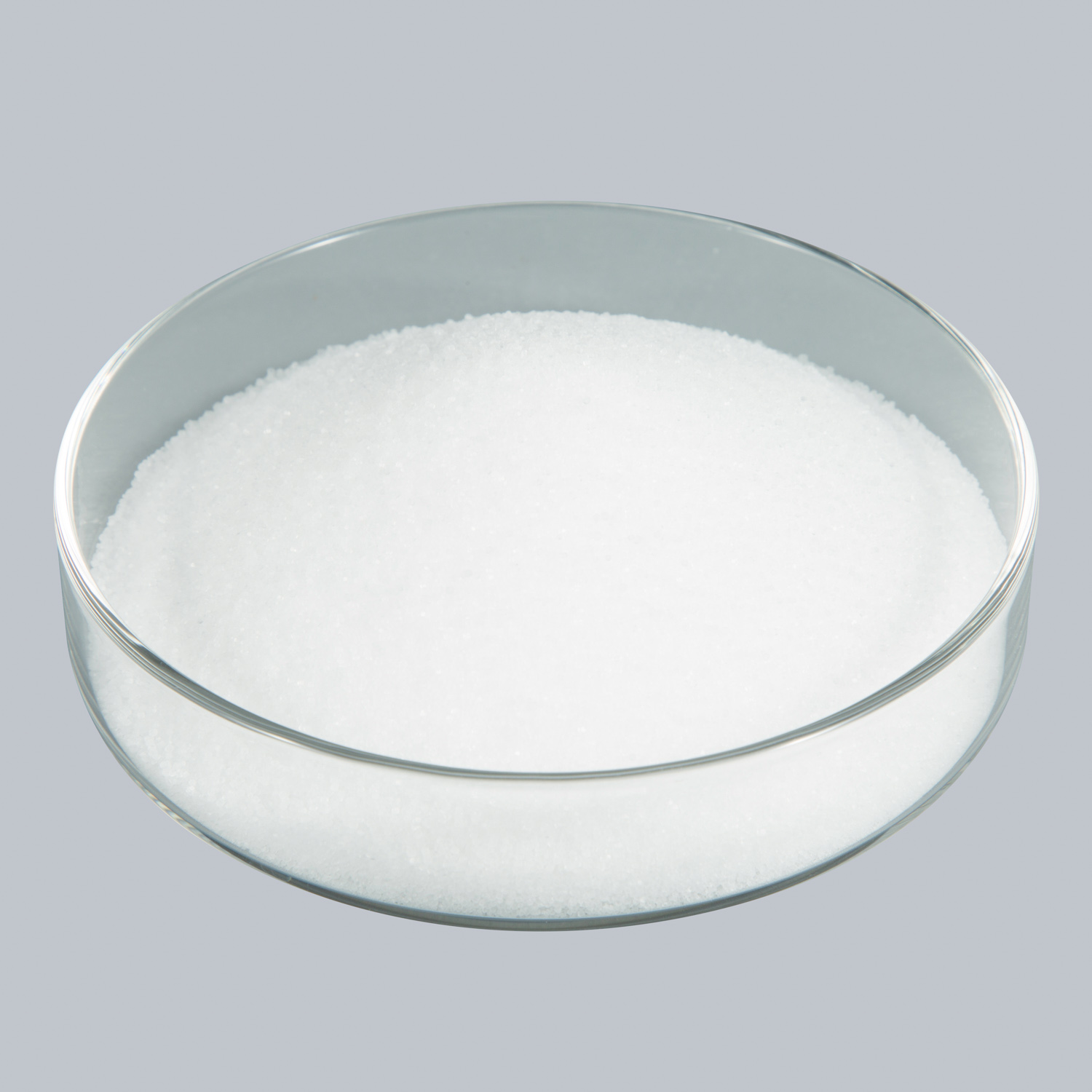
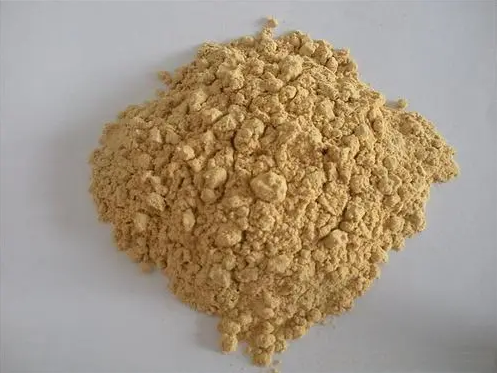
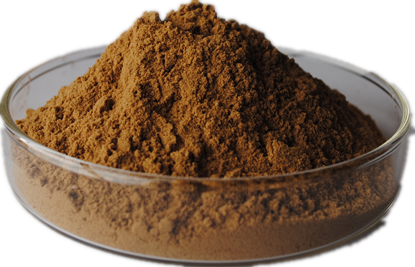
Product Description
please call me ,to know more
AI Product Description
*The following content is generated by AI and is for reference only.
Macranthoidin B is a bioactive natural product belonging to the class of diterpenoids, primarily isolated from the rhizomes of *Aconitum carmichaelii* and related species within the Ranunculaceae family. This compound has attracted significant attention in pharmacological research due to its potential therapeutic applications, particularly in the realms of anti-inflammatory and analgesic activities. Structurally, Macranthoidin B features a complex carbon skeleton typical of aconitine-type alkaloids, though it possesses distinct stereochemical configurations that differentiate it from more toxic congeners like aconitine itself.
The chemical identity of Macranthoidin B is defined by the molecular formula C23H31NO7 and carries the CAS Registry Number 100456-89-7. These identifiers are crucial for researchers conducting synthesis, quality control, or biological screening. While specific commercial availability may vary depending on regional suppliers and regulatory restrictions, the compound is generally utilized as a reference standard in analytical chemistry and as a lead structure in drug discovery programs aimed at developing safer alternatives to traditional pain management agents.
Pharmacologically, studies suggest that Macranthoidin B exhibits potent inhibitory effects on inflammatory mediators such as nitric oxide and prostaglandins, making it a promising candidate for treating chronic inflammatory conditions. Furthermore, preliminary investigations indicate neuroprotective properties, potentially offering benefits in managing neuropathic pain without the severe cardiotoxicity associated with other aconite derivatives. However, like many compounds derived from *Aconitum* species, strict handling protocols are essential during laboratory manipulation to ensure safety, given the inherent toxicity profile of the parent plant material.
In the broader context of natural product chemistry, Macranthoidin B serves as an important model for understanding structure-activity relationships within diterpenoid alkaloids. Its isolation and characterization contribute valuable data to the optimization of semi-synthetic analogs designed for enhanced efficacy and reduced side effects. As research progresses, this molecule may play a pivotal role in the development of novel therapeutics targeting inflammation-related disorders, bridging the gap between traditional herbal medicine and modern clinical applications. Researchers continue to explore its mechanisms of action to fully unlock its clinical potential while maintaining rigorous safety standards throughout the evaluation process.












 (All Rights Reserved)