Product Description
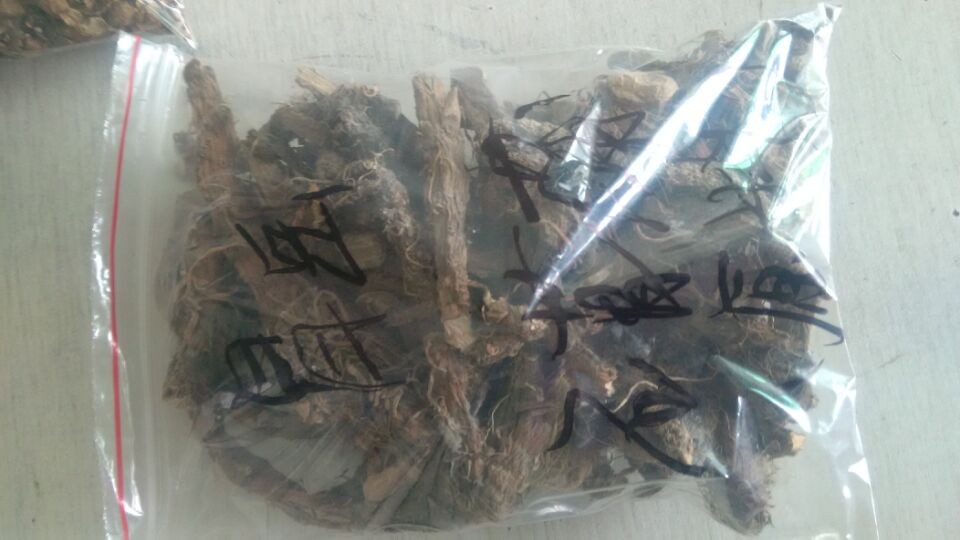
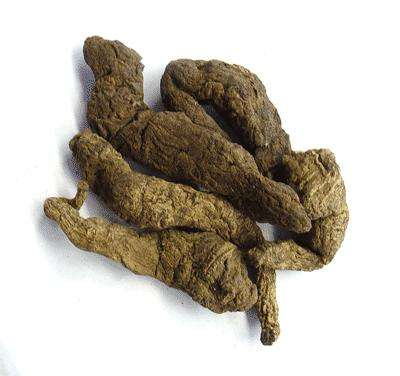
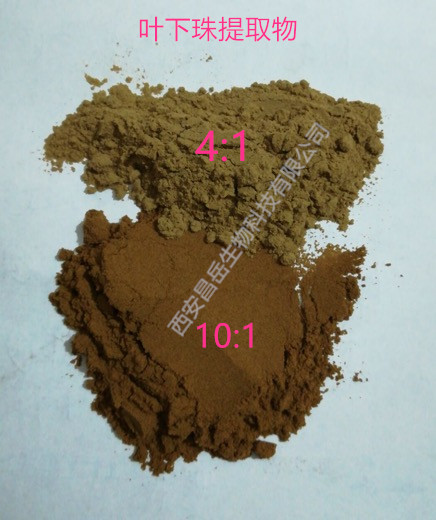
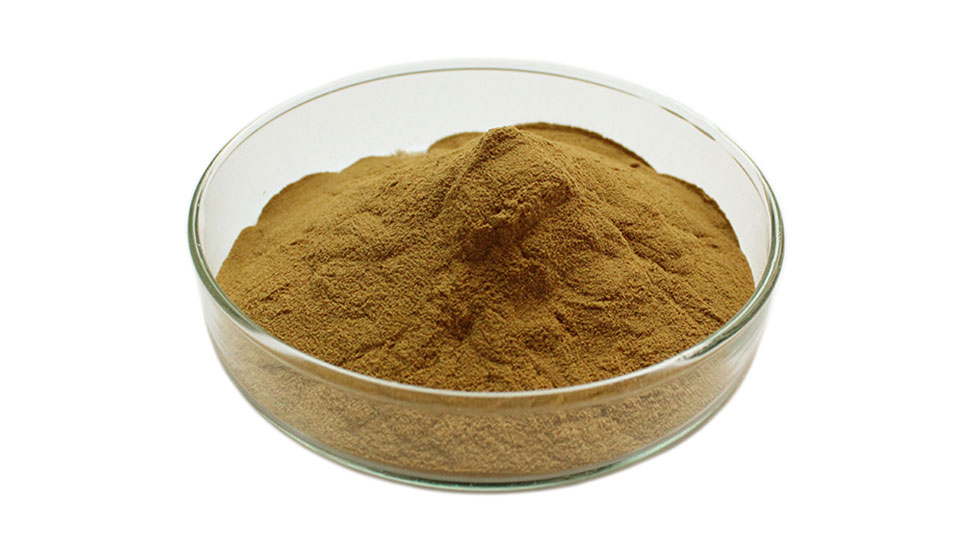
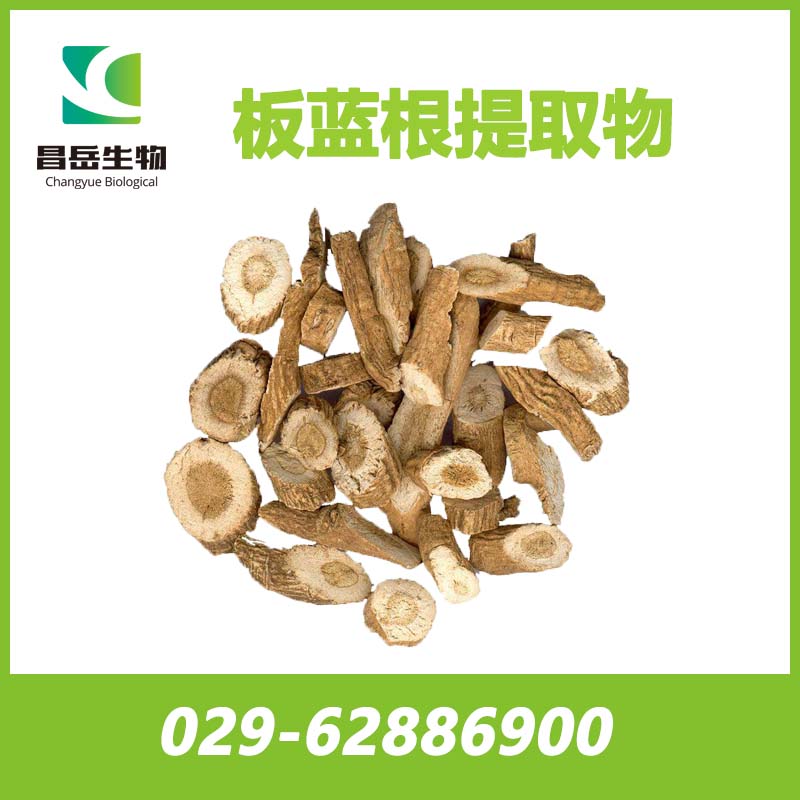
Money grass extract of Lysimachia christinae primulaceae Lysimachia christinae Hance dry grass, all is clear, the hot and humid to drench, detumescence, and so on.
AI Product Description
*The following content is generated by AI and is for reference only.
Lysimachia christinae Hance extract, derived from the whole plant of Lysimachia christinae Hance (commonly known as Jin Qian Cao), is a widely utilized botanical ingredient in traditional medicine and modern cosmetic formulations. While the crude herb contains a complex mixture of phytochemicals including triterpenoid saponins, flavonoids, phenolic acids, and polysaccharides, there is no single unique molecular formula or CAS number for the "extract" itself, as its composition varies based on extraction solvents and methods. Specific isolated compounds within this matrix, such as ursolic acid or luteolin, possess distinct identifiers; however, the standardized extract is generally characterized by its total saponin content rather than a singular chemical structure.
This botanical extract has gained significant prominence primarily for its potent hepatoprotective and diuretic properties. In clinical and traditional contexts, it is extensively employed to support liver health, facilitate bile flow, and assist in the management of gallstones and urinary tract infections due to its ability to inhibit stone formation and promote excretion. The active triterpene saponins are credited with these therapeutic effects, offering anti-inflammatory and antioxidant benefits that protect hepatic cells from toxin-induced damage.
In the contemporary cosmetic industry, Lysimachia christinae Hance extract serves as a valuable functional ingredient for skin brightening and soothing applications. Its high concentration of antioxidants helps neutralize free radicals generated by UV exposure and environmental stressors, thereby reducing oxidative stress and preventing premature aging. Furthermore, the extract exhibits mild astringent and anti-inflammatory capabilities, making it suitable for calming irritated skin, reducing redness, and improving overall skin texture. It is frequently incorporated into serums, toners, and creams designed for sensitive or acne-prone skin types. As a natural alternative to synthetic agents, it aligns well with the growing consumer demand for clean-label, plant-based skincare solutions that deliver efficacy without harsh side effects. Regulatory bodies recognize its safety profile when used within recommended concentrations, solidifying its status as a versatile bioactive component bridging traditional herbal wisdom and modern dermatological science.

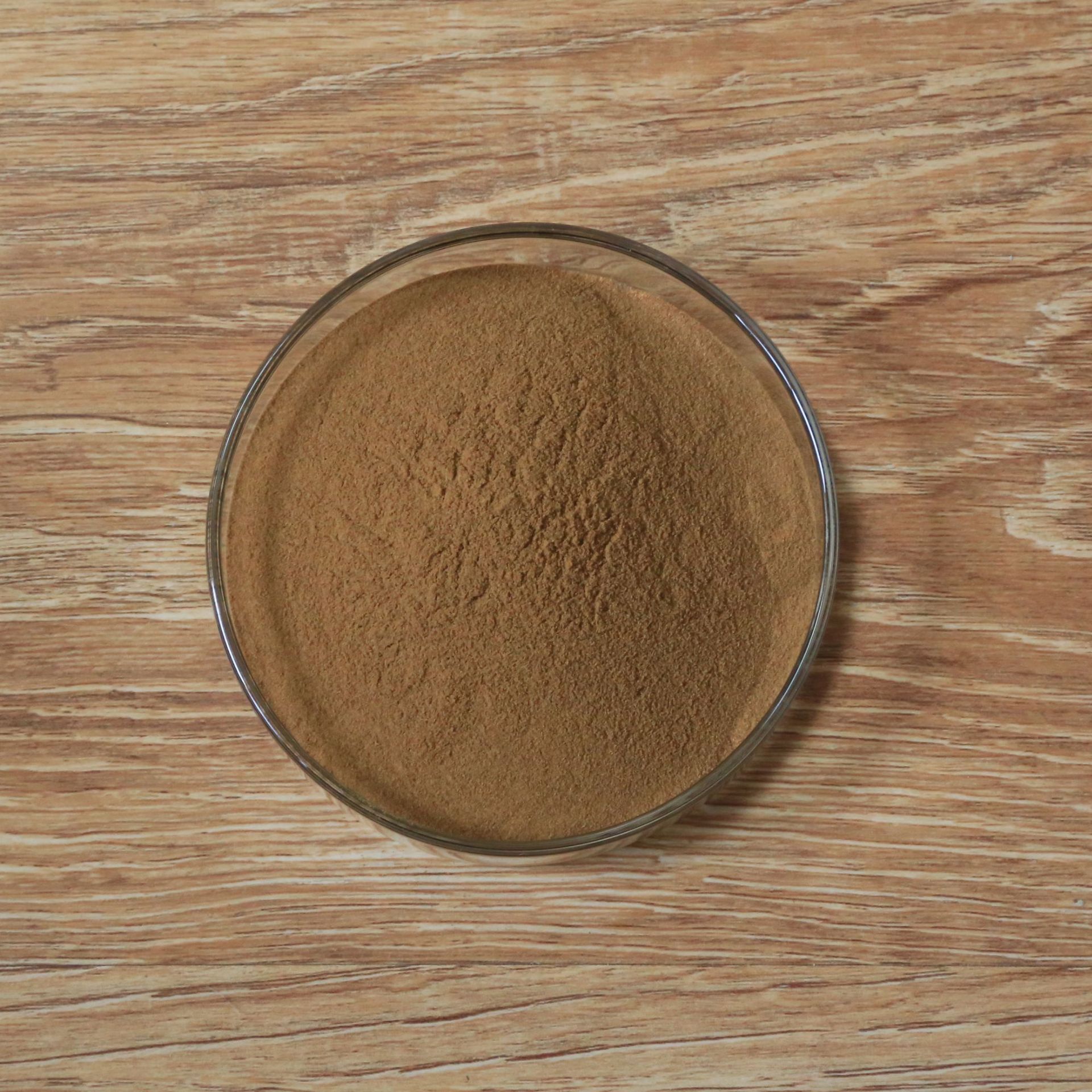



 (All Rights Reserved)