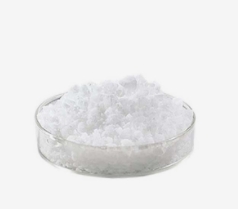
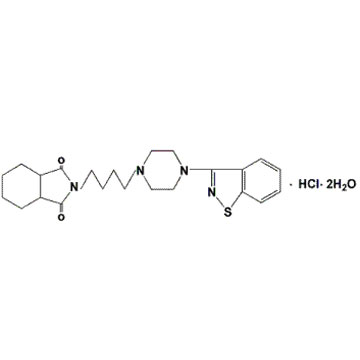
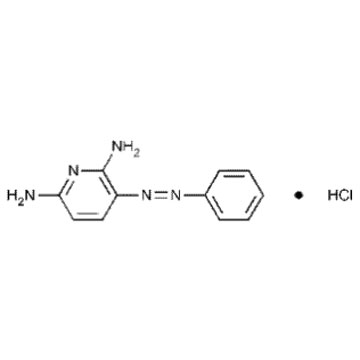
Antitumor drugs. It is an inhibitor of DNA synthesis. It is a semi-synthetic derivative of camptothecin; For preparing irinotecan hydrochloride and irinotecan hydrochloride trihydrate; Anti-cancer drugs.
*The following content is generated by AI and is for reference only.
Irinotecan is a potent antineoplastic agent belonging to the class of camptothecin analogs, widely recognized for its critical role in oncology. Its molecular formula is C33H38N4O6, and it is uniquely identified by the CAS Registry Number 97682-44-5. Originally derived from the bark of the Chinese tree Camptotheca acuminata, Irinotecan has evolved into a cornerstone therapy for treating various solid tumors, particularly metastatic colorectal cancer. It functions as a prodrug that is metabolized in the liver by carboxylesterases into its active form, SN-38. This active metabolite exerts its therapeutic effect by inhibiting the enzyme topoisomerase I, which is essential for DNA replication and transcription. By stabilizing the transient complex formed between topoisomerase I and DNA, Irinotecan prevents the religation of DNA strands, leading to double-strand breaks during the S-phase of the cell cycle and ultimately triggering apoptosis in rapidly dividing cancer cells.
Clinically, Irinotecan is frequently administered intravenously as part of combination regimens. It is most commonly paired with fluorouracil (5-FU) and leucovorin, forming the FOLFIRI protocol, which serves as a standard first-line treatment for advanced colorectal cancer. Additionally, it is utilized in second-line settings or in combination with other agents like cetuximab for patients with specific genetic markers such as wild-type RAS status. Despite its efficacy, the drug presents significant challenges regarding toxicity profiles. The most prominent adverse effects include severe delayed diarrhea, neutropenia, and nausea. These side effects require careful management, often involving prophylactic use of atropine for acute cholinergic syndrome and aggressive hydration protocols to mitigate gastrointestinal distress. Furthermore, genetic polymorphisms in the UGT1A1 enzyme can influence the metabolism of SN-38, necessitating dose adjustments to prevent life-threatening hematological toxicities. Ongoing research continues to explore novel delivery systems and combination strategies to enhance therapeutic windows while minimizing systemic toxicity. As a vital component of modern chemotherapy, Irinotecan remains indispensable in improving survival rates and quality of life for millions of cancer patients worldwide.





 (All Rights Reserved)
![6-broMo-2-chloro-8-cyclopentyl-5-Methylpyrido[2,3-d]pyriMidin-7(8H)-one](https://eimg.pharmasources.com/image/20250617/4zoOybJjzUTk0UgguabMkX7VnrDIlxHluERwqkjK.jpg)