Low endotoxin: less than 0.01 EU/ug
Production without animal sources, stable quality, and spot supply
Easy to use: No need for acid dissolution, neutral solution can be used for cell culture after dissolution
Industrial level production, suitable for any level
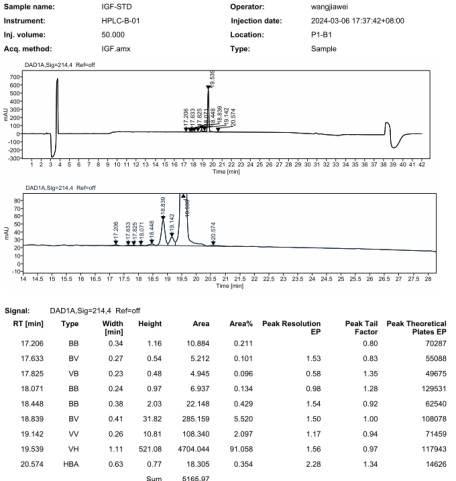

The purity of internationally renowned competitors is 91%, and the purity of samples from batch 231229 of Cellnuo is 95%
*The following content is generated by AI and is for reference only.
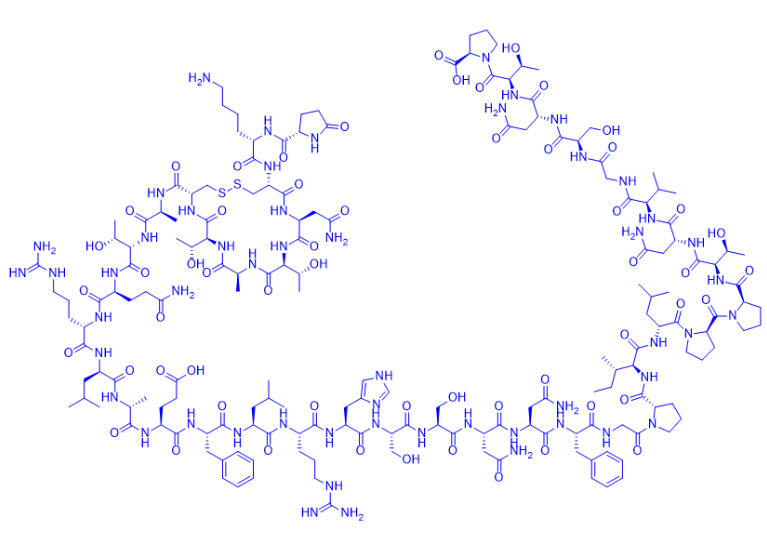
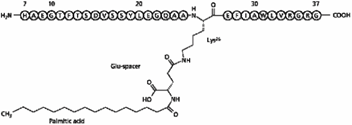
LR3 IGF-1, or Insulin-like Growth Factor 1 Long R3, is a potent synthetic analog of the naturally occurring human insulin-like growth factor 1 (IGF-1). Chemically, it is a modified peptide consisting of 70 amino acids with a molecular weight of approximately 7,649 Da. Its specific structural modification involves the substitution of arginine for glutamine at position 3 and the addition of three consecutive arginine residues at the C-terminus. This unique alteration significantly reduces binding affinity to insulin-like growth factor-binding proteins (IGFBPs), thereby extending its biological half-life in circulation compared to native IGF-1. The CAS number for LR3 IGF-1 is not universally assigned as a single commercial entity because it is often synthesized as a research chemical rather than a standard pharmaceutical drug; however, it is widely recognized in scientific literature under this specific nomenclature for experimental purposes.
Primarily utilized in biomedical research and athletic performance enhancement contexts, LR3 IGF-1 mimics the anabolic effects of growth hormone without directly stimulating pituitary release. Its mechanism involves binding to IGF-1 receptors on cell surfaces, triggering intracellular signaling pathways that promote cellular proliferation, differentiation, and protein synthesis. In laboratory settings, researchers employ this compound to study muscle hypertrophy, tissue regeneration, and metabolic regulation. It is particularly valued for its ability to induce rapid muscle growth and accelerate recovery from injury by enhancing nitrogen retention and glucose uptake in skeletal muscle tissue. While some bodybuilders utilize it off-label for its superior potency and longer duration of action, it remains strictly regulated for clinical use due to potential side effects such as hypoglycemia and organ overgrowth. Consequently, current applications are largely confined to preclinical studies investigating therapeutic potential for muscle wasting diseases, wound healing, and neurological repair. Despite its promising profile in regenerative medicine, rigorous safety evaluations are ongoing before widespread clinical adoption can be considered.





 (All Rights Reserved)