*The following content is generated by AI and is for reference only.
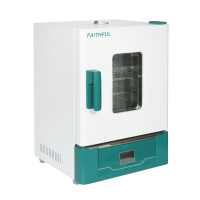
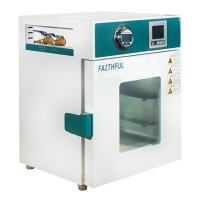
The LPG potassium fluoride drying equipment is a specialized industrial apparatus designed primarily for the efficient removal of moisture from organic solvents, particularly those used in lithium-ion battery manufacturing and fine chemical synthesis. Its core function relies on the reaction between potassium fluoride and trace water within liquefied petroleum gas (LPG) streams or associated solvent systems, ensuring ultra-low water content levels essential for high-performance applications where even ppm-level humidity can degrade product quality or safety. This system is widely utilized in pharmaceutical processing, electronics cleaning, and petrochemical refining to maintain anhydrous conditions critical for sensitive reactions.
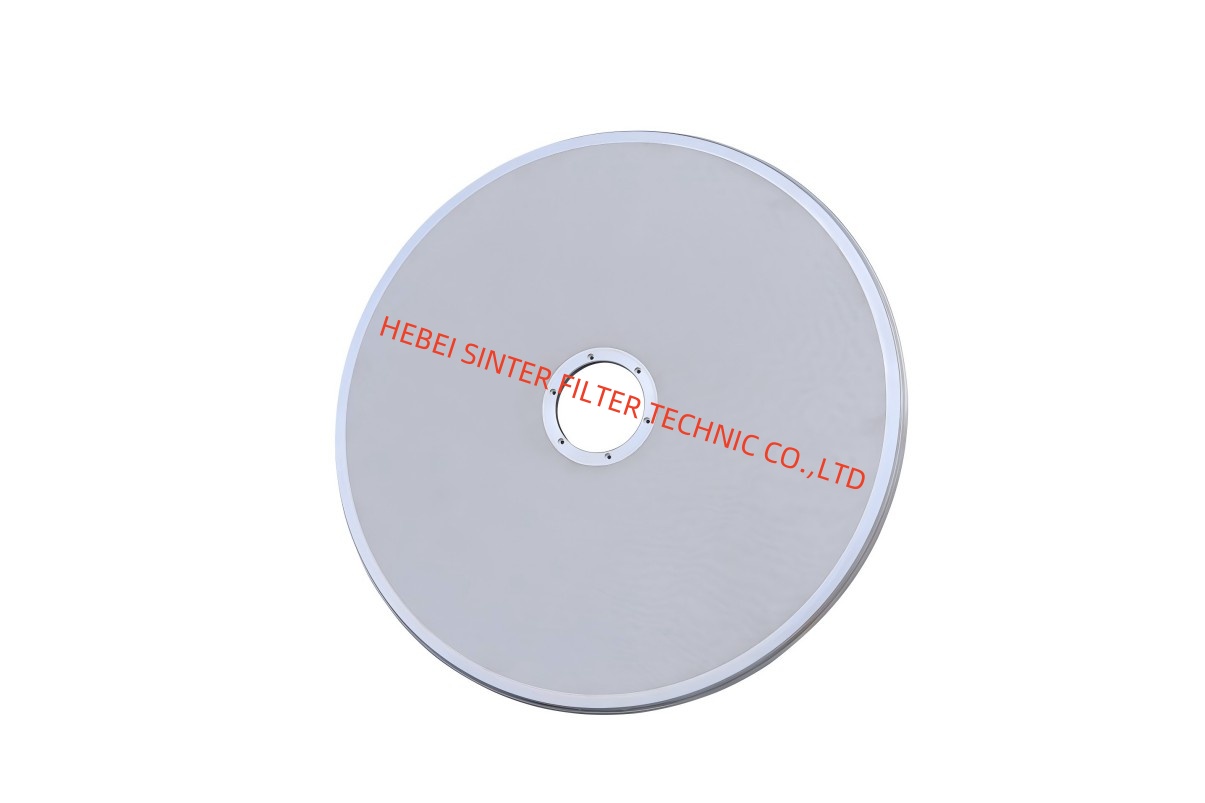
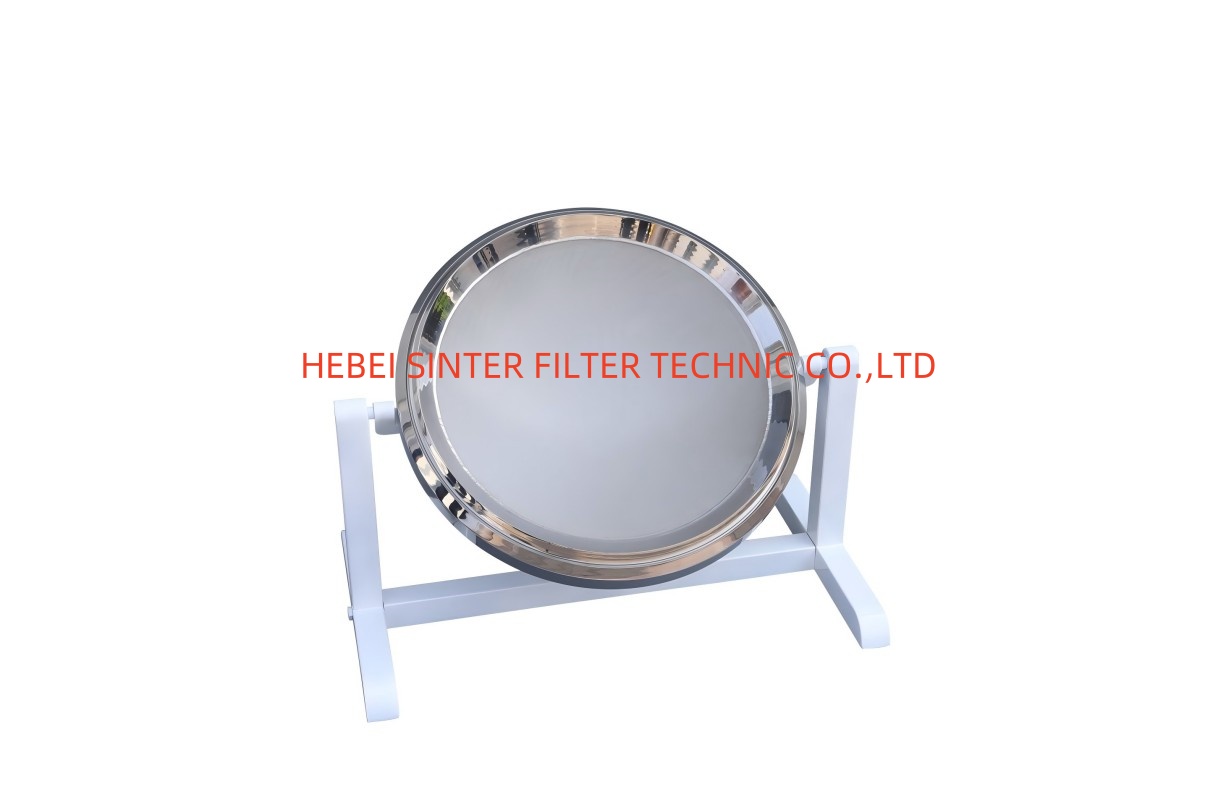
Key operational features include automated control systems that monitor flow rates, temperature, and pressure to optimize drying efficiency while minimizing reagent consumption. The equipment typically incorporates robust filtration mechanisms to prevent particulate contamination and ensures safe handling of reactive materials through sealed, inert atmospheres. Operators must strictly adhere to safety protocols due to the hygroscopic nature of potassium fluoride and the flammability of LPG. Regular inspection of seals, valves, and monitoring sensors is mandatory to prevent leaks or blockages that could compromise system integrity. Additionally, waste byproducts containing fluoride salts require careful disposal in accordance with environmental regulations to avoid soil and water contamination.
Proper ventilation and personal protective equipment are essential during maintenance or refilling procedures. Users should also ensure that the incoming gas stream is free of impurities that might poison the drying agent or damage internal components. Training for personnel on emergency shutdown procedures and leak detection is crucial for facility safety. Overall, this technology offers a reliable solution for achieving stringent dryness standards, enhancing process stability, and extending the lifespan of downstream equipment in industries demanding extreme purity. Continuous monitoring and adherence to manufacturer guidelines ensure optimal performance and long-term operational reliability without relying on specific brand specifications.