Product Description
lower price 99% White powder D-Cycloserine 68-41-7
AI Product Description
*The following content is generated by AI and is for reference only.
D-Cycloserine, a potent broad-spectrum antibiotic and antimicrobial agent, is widely recognized for its unique structural properties and therapeutic applications. With a molecular formula of C₃H₆N₂O₃ and a CAS number of 65-29-6, this compound appears as a white crystalline powder. It functions primarily as a structural analog of D-alanine, an essential component in bacterial cell wall synthesis. By inhibiting the enzymes alanine racemase and D-alanyl-D-alanine ligase, D-cycloserine disrupts peptidoglycan formation, effectively halting bacterial growth. This mechanism makes it particularly valuable against Mycobacterium tuberculosis, where it serves as a critical second-line treatment for multidrug-resistant strains when first-line drugs fail or are contraindicated.
Beyond its role in treating tuberculosis, D-cycloserine has gained significant attention in psychiatric research due to its ability to modulate N-methyl-D-aspartate (NMDA) receptors in the central nervous system. As a partial agonist at these receptors, it enhances synaptic plasticity and memory consolidation. Consequently, it is increasingly utilized as an adjunctive therapy in cognitive behavioral therapy (CBT) for conditions such as post-traumatic stress disorder (PTSD), obsessive-compulsive disorder (OCD), and social anxiety disorder. Clinical studies suggest that administering D-cycloserine alongside exposure therapy can accelerate therapeutic outcomes by facilitating fear extinction processes.
While high-purity D-cycloserine is available from various suppliers, often marketed with competitive pricing for bulk procurement, users must exercise caution regarding regulatory compliance. The substance is classified as a prescription medication in many jurisdictions and is strictly controlled under international drug regulations. Unauthorized distribution or use without medical supervision is illegal and poses serious health risks, including neurotoxicity and seizures if misused. Therefore, any acquisition should be conducted through licensed pharmaceutical channels ensuring quality assurance and adherence to Good Manufacturing Practices (GMP). Its efficacy relies heavily on precise dosing and professional medical oversight to maximize benefits while minimizing adverse effects. Researchers and clinicians continue to explore its potential in novel therapeutic areas, solidifying its status as a versatile compound in both infectious disease management and neuropsychiatric interventions.

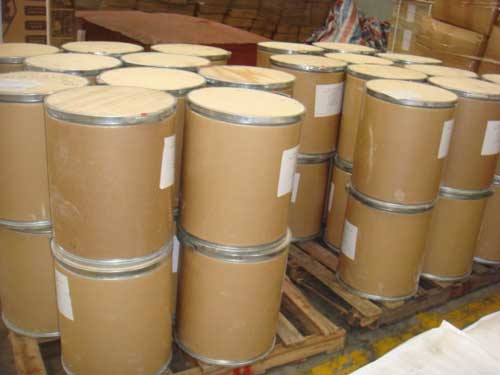




 (All Rights Reserved)



![(3R)-3-Amino-1-[3-(Trifluoromethyl)-5,6,7,8-Tetrahydro-1,2,4-Triazolo[4,3-A]Pyrazin-7-yl]-4-(2,4,5-T](https://eimg.pharmasources.com/image/product/20250402/e43f5153f3b91f760fdee40247460568jpg)

![3-(Trifluoromethyl)-5,6,7,8-Tetrahydro-[1,2,4]Triazolo[4,3-a]Pyrazine HCL](https://eimg.pharmasources.com/image/product/20250402/8ae4dd18f1fe219e41ad63ce9b3306d7jpg)


![4-[[[[6-[(Diethylamino)methyl]-2-naphthalenylmethoxy]carbonyllaminolbenzoic acid](https://eimg.pharmasources.com/image/20241206/xJCFsdgfMrHzqjtgeOixhGQHgVbKi7kAcoEqemzE.jpg)