Product Description
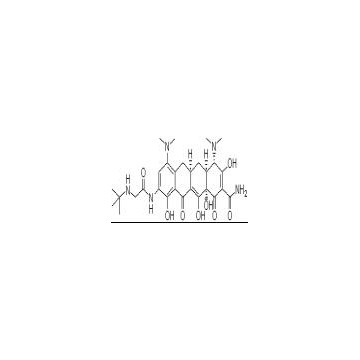
lower price 95.0%-101.0% (content of Dicloxacillin Sodium) A white or almost white crystalline powder Dicloxacillin sodium 13412-64-1
AI Product Description
*The following content is generated by AI and is for reference only.
Dicloxacillin Sodium is a semi-synthetic penicillin antibiotic belonging to the isoxazolyl penicillin class, specifically designed to resist degradation by bacterial beta-lactamases. It appears as a white or almost white crystalline powder and is widely utilized in pharmaceutical formulations for treating infections caused by penicillinase-producing staphylococci. The compound typically features a purity range of 95.0% to 101.0%, ensuring high efficacy in clinical applications. Its molecular formula is C₁₉H₁₇ClN₂NaO₅S, reflecting its complex structure which includes a sodium salt moiety essential for solubility and bioavailability. The corresponding CAS number is 68-73-7, a unique identifier used globally for regulatory compliance, inventory management, and safety data sheets.
This antibiotic functions by inhibiting bacterial cell wall synthesis, leading to cell lysis and death. It is particularly effective against skin and soft tissue infections, respiratory tract infections, bone infections, and septicemia caused by susceptible Gram-positive organisms. Unlike natural penicillins, Dicloxacillin Sodium is acid-stable, allowing for oral administration without significant degradation in the stomach. This characteristic makes it a preferred choice for outpatient treatment of mild to moderate infections where oral therapy is sufficient. However, it is ineffective against methicillin-resistant Staphylococcus aureus (MRSA) or Gram-negative bacteria due to their inherent resistance mechanisms.
Common side effects may include gastrointestinal disturbances such as nausea, vomiting, and diarrhea, along with potential hypersensitivity reactions ranging from rashes to anaphylaxis in sensitive individuals. Proper storage requires protection from moisture and light to maintain stability. In the global market, this substance is supplied by major pharmaceutical manufacturers and generic drug producers under strict Good Manufacturing Practice (GMP) standards. Its role remains critical in combating resistant bacterial strains, although prudent use is encouraged to prevent further development of antibiotic resistance. Clinicians rely on susceptibility testing to determine appropriate dosing regimens, ensuring optimal therapeutic outcomes while minimizing adverse events.





 (All Rights Reserved)
![(3R)-3-Amino-1-[3-(Trifluoromethyl)-5,6,7,8-Tetrahydro-1,2,4-Triazolo[4,3-A]Pyrazin-7-yl]-4-(2,4,5-T](https://eimg.pharmasources.com/image/product/20250402/e43f5153f3b91f760fdee40247460568jpg)
![3-(Trifluoromethyl)-5,6,7,8-Tetrahydro-[1,2,4]Triazolo[4,3-a]Pyrazine HCL](https://eimg.pharmasources.com/image/product/20250402/8ae4dd18f1fe219e41ad63ce9b3306d7jpg)

![4-[[[[6-[(Diethylamino)methyl]-2-naphthalenylmethoxy]carbonyllaminolbenzoic acid](https://eimg.pharmasources.com/image/20241206/xJCFsdgfMrHzqjtgeOixhGQHgVbKi7kAcoEqemzE.jpg)