Product Description
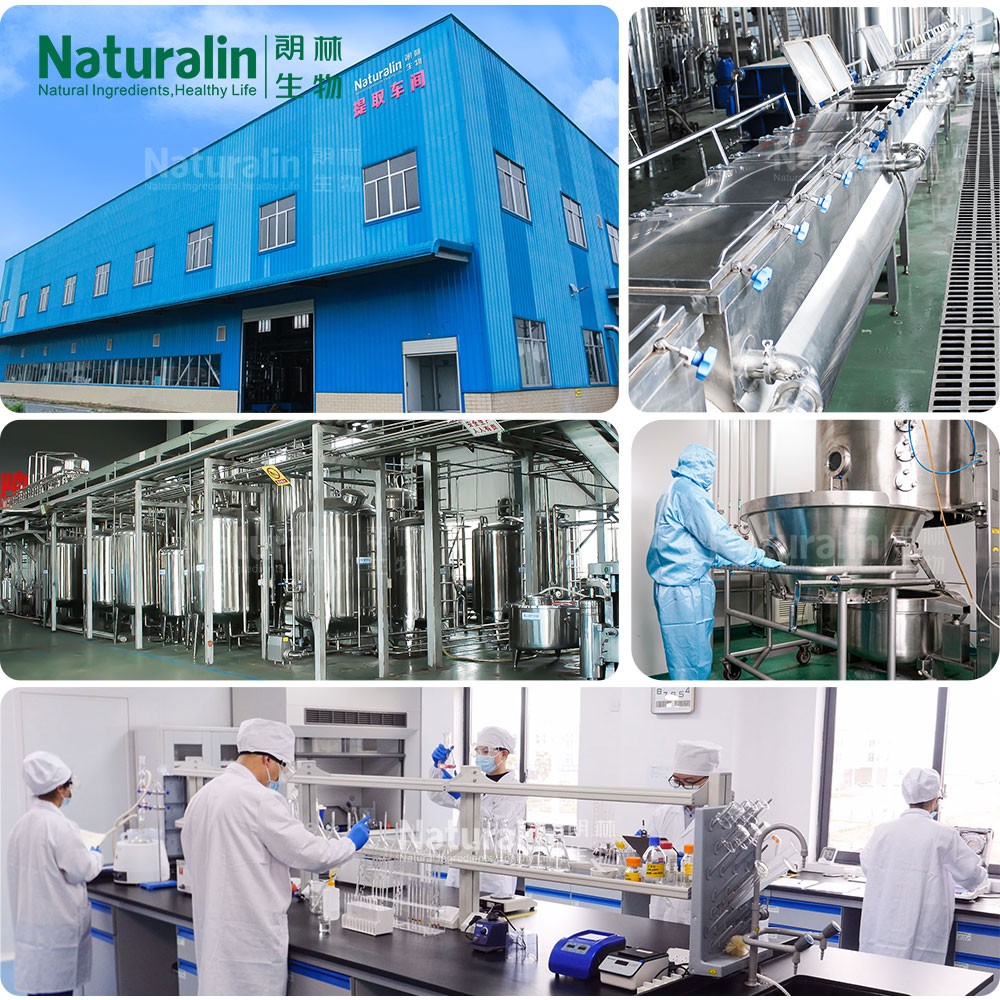
Founded in 2006, Naturalin is committed to the manufacturing, innovation, and sales of natural ingredients. Naturalin ingredients are widely used in various fields such as nutrition, food & beverage, personal care, animal nutrition ,etc. Website: www.naturalin.com E-mail: sales@naturalin.com
AI Product Description
*The following content is generated by AI and is for reference only.
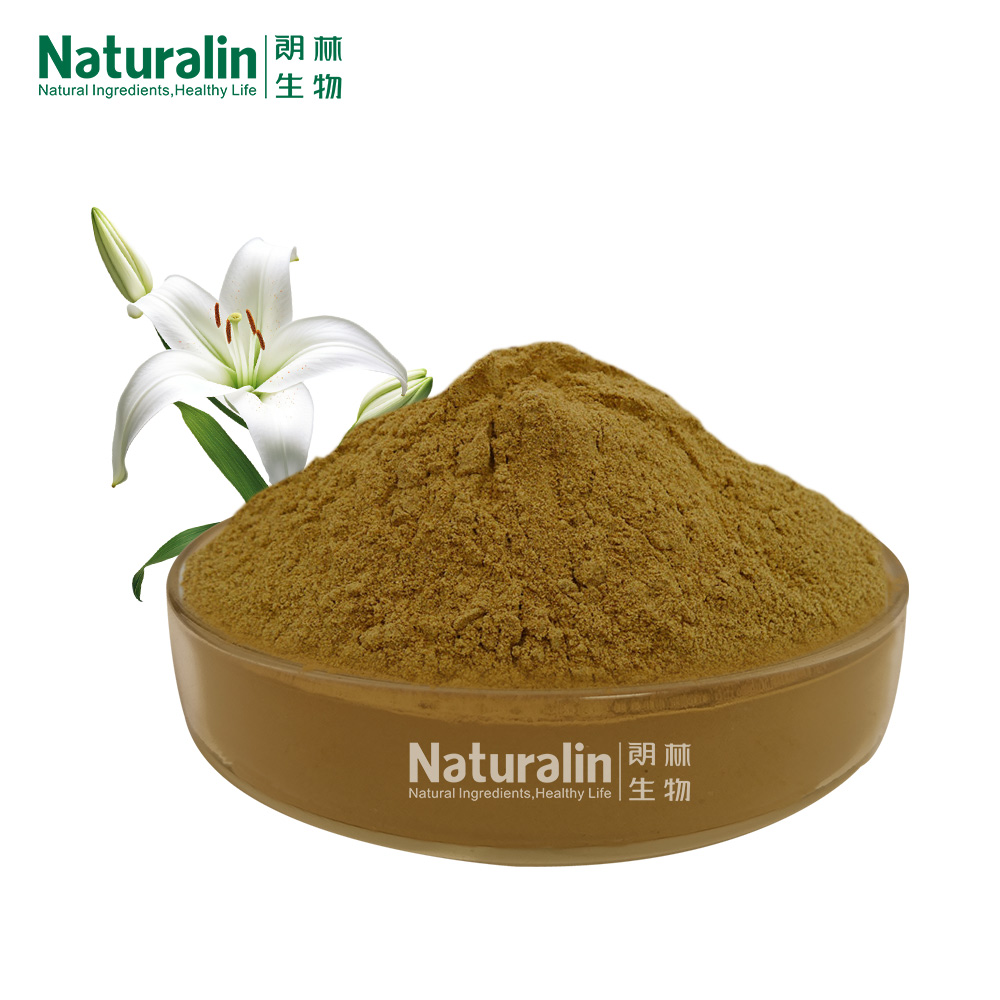
Lily extract, derived primarily from the bulbs of Lilium species such as *Lilium brownii* and *Lilium lancifolium*, is a versatile natural ingredient widely utilized in cosmetics, pharmaceuticals, and dietary supplements. While "Lily Extract" refers to a complex mixture of bioactive compounds rather than a single chemical entity, its primary active constituents include polysaccharides, saponins, flavonoids, and alkaloids like lilyoside. Consequently, it does not possess a single molecular formula or a unique CAS number; instead, specific isolated compounds within the extract have distinct identifiers. For instance, lilyoside A has been studied for its potential biological activities. The extract is renowned for its antioxidant, anti-inflammatory, and skin-whitening properties, making it a staple in modern skincare formulations aimed at reducing hyperpigmentation and improving skin elasticity.
In the cosmetic industry, lily extract is frequently incorporated into serums, creams, and masks to soothe irritated skin and provide hydration. Its ability to inhibit tyrosinase activity helps lighten dark spots, promoting a more even skin tone. Beyond aesthetics, traditional medicine systems, particularly Traditional Chinese Medicine (TCM), have long valued lily bulbs for their calming effects on the nervous system, helping to alleviate anxiety and improve sleep quality. Recent scientific research continues to explore its potential anticancer and immunomodulatory effects, although further clinical trials are needed to fully validate these therapeutic claims.
The production of high-quality lily extract involves careful extraction processes, often using water or ethanol, to preserve the integrity of heat-sensitive nutrients. Manufacturers must adhere to strict quality control standards to ensure the absence of heavy metals and pesticides. As consumers increasingly seek natural alternatives to synthetic chemicals, the demand for lily extract continues to rise globally. It represents a harmonious blend of ancient wisdom and modern science, offering multifaceted benefits for both external beauty and internal wellness. Whether used as a standalone ingredient or part of a synergistic formulation, lily extract remains a significant player in the global market for natural health and beauty products, bridging the gap between botanical tradition and contemporary functional applications.




 (All Rights Reserved)