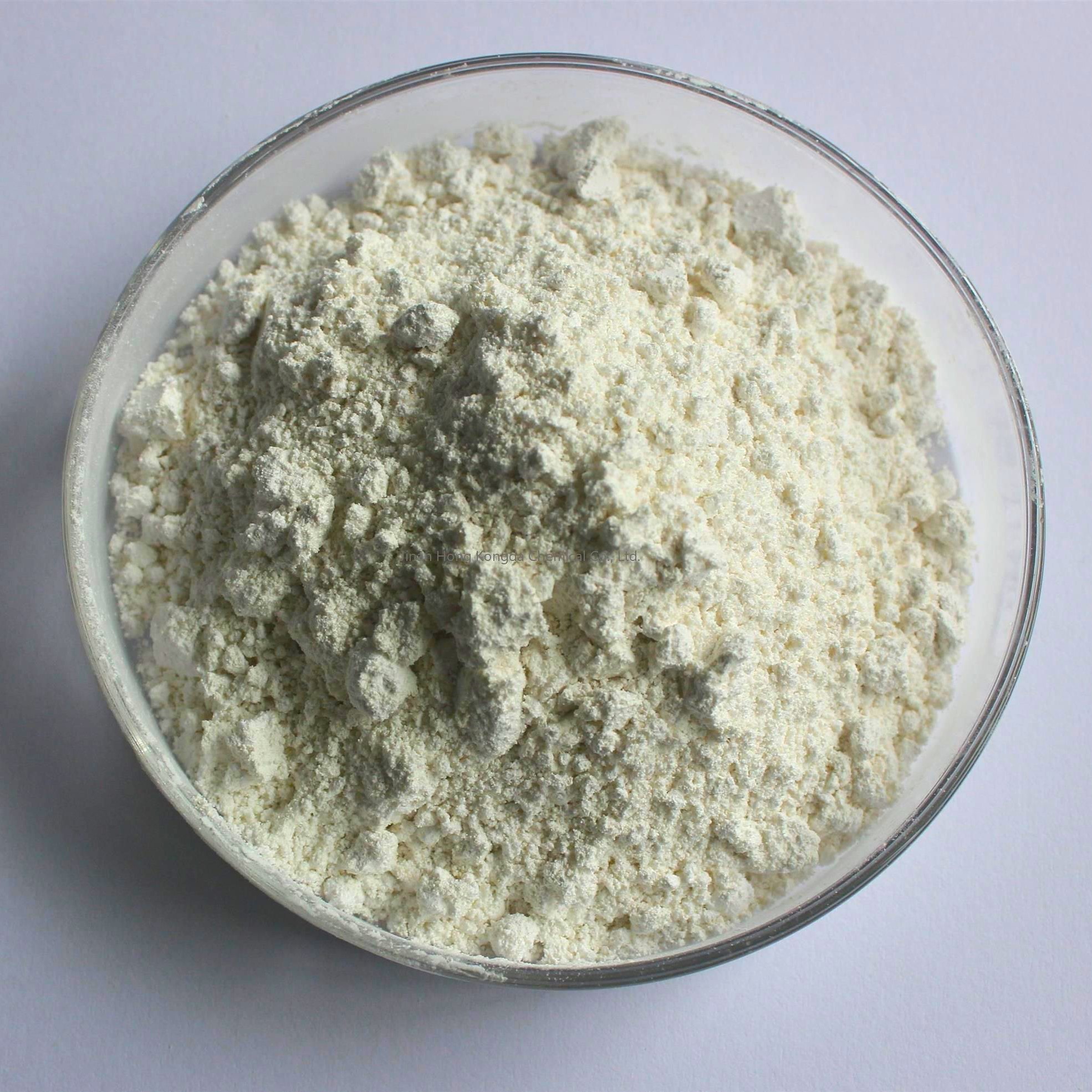
Product Description
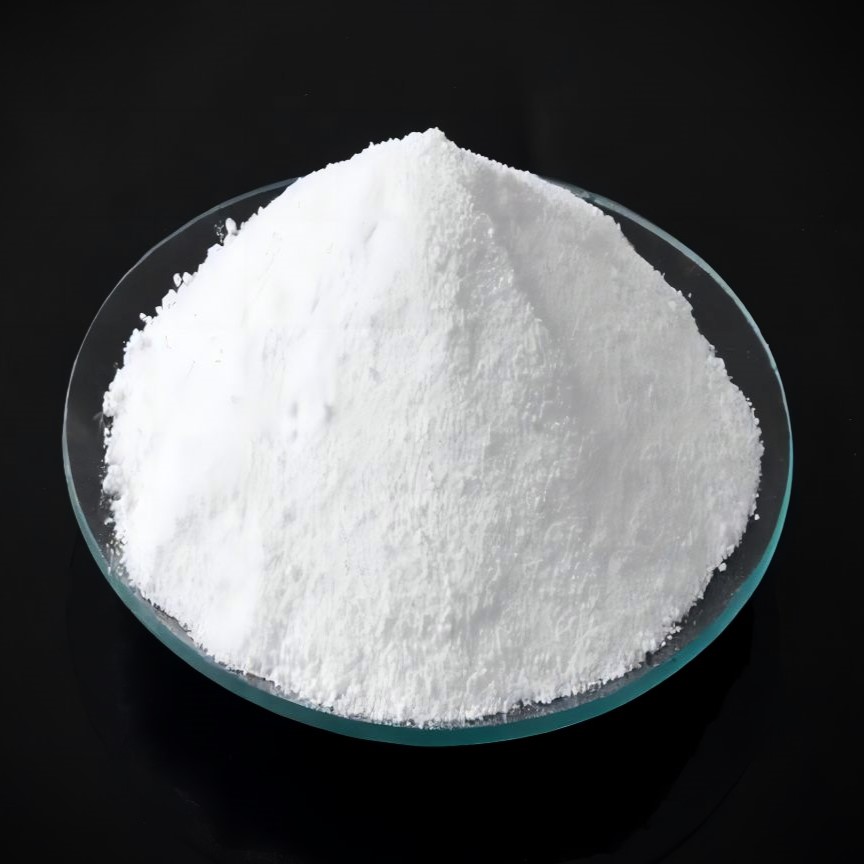
Huateng Pharmaceutical, a global supplier of pharmaceutical intermediates & chemical products & biological reagent & PEG derivatives, offers Leupeptine hemisulfate, CAS NO.103476-89-7 for your requirements of R&D, evaluation, pilots and commercial along with supportive technical package required for evaluation.
Application: Leupeptine hemisulfate, CAS NO.103476-89-7 is a protease inhibitor, used in the characterization of macroautophagic flux in vivo using leupeptin-based assay.
AI Product Description
*The following content is generated by AI and is for reference only.
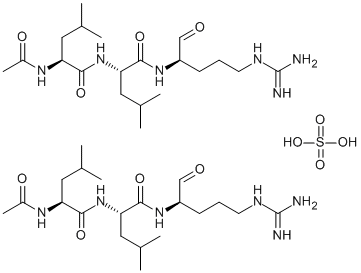
Leupeptin hemisulfate is a potent, broad-spectrum protease inhibitor widely utilized in biochemical research and molecular biology laboratories. Chemically known as N-acetyl-L-leucyl-L-leucyl-L-argininal hemisulfate monohydrate, its molecular formula is C19H37N5O6S, with the CAS number 64829-09-0. This compound acts primarily by inhibiting serine, threonine, and cysteine proteases, including chymotrypsin, trypsin, papain, cathepsins B, H, and L, as well as calpain. The hemisulfate salt form enhances its solubility in aqueous solutions compared to the free base, making it highly practical for experimental applications requiring immediate dissolution.
In scientific practice, Leupeptin hemisulfate is indispensable for the preservation of protein integrity during cell lysis and subsequent purification processes. When cells are disrupted, endogenous proteases are released, which can rapidly degrade target proteins if left unchecked. By adding this inhibitor to lysis buffers, researchers effectively halt enzymatic activity, ensuring that the extracted proteins remain intact for downstream analysis such as Western blotting, enzyme assays, or mass spectrometry. Its specificity allows scientists to study specific proteolytic pathways without completely shutting down all cellular functions, providing a controlled environment for investigating protein turnover and degradation mechanisms.
Furthermore, this reagent plays a critical role in preventing artifactual cleavage during immunoprecipitation experiments, thereby improving the accuracy of interaction studies. It is often used in combination with other inhibitors like PMSF and EDTA to create comprehensive protease inhibition cocktails tailored to specific tissue types or cell lines. While highly effective, it must be handled with care; although relatively stable in solution, prolonged storage at room temperature can lead to degradation. Typically stored at -20°C in aliquots, it maintains optimal activity for extended periods. As a vital tool in drug discovery and basic life sciences, Leupeptin hemisulfate continues to facilitate breakthroughs in understanding proteolysis-related diseases, cancer progression, and neurodegenerative disorders, cementing its status as a standard reagent in modern laboratories worldwide.





 (All Rights Reserved)