Product Description
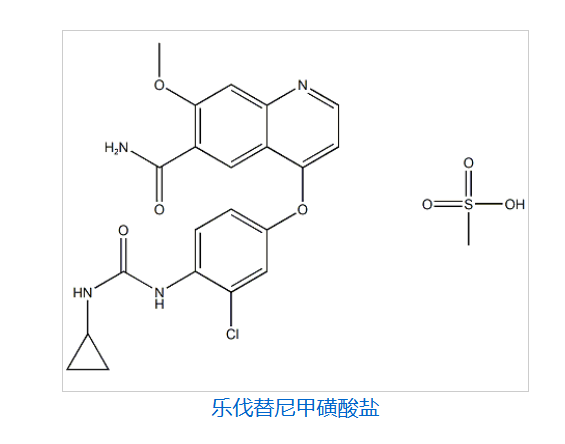
乐伐替尼甲磺酸盐化学性质熔点:>220°C(dec.)储存条件:-20°CFreezer溶解度:DMSO(Slightly),Methanol(Slightly)形态:Solid颜色:WhitetoOff-WhiteInCChemicalbookhIKey:HWLFIUUAYLEFCT-UHFFFAOYSA-NSMILES:O=C(N)C1C=C2C(N=CC=C2OC2C=C(Cl)C(NC(=O)NC3CC3)=CC=2)=CC=1OC.CS(=O)(O)=O
AI Product Description
*The following content is generated by AI and is for reference only.
Lenvatinib mesylate is the hydrochloride salt form of lenvatinib, a potent multi-targeted receptor tyrosine kinase (RTK) inhibitor. Its molecular formula is C28H35ClN4O6S·CH3SO3H, and it carries the CAS Registry Number 1097962-87-8. As a small molecule drug, lenvatinib mesylate functions by simultaneously blocking several key signaling pathways essential for tumor growth and angiogenesis. Specifically, it inhibits vascular endothelial growth factor receptors (VEGFR1, VEGFR2, VEGFR3), fibroblast growth factor receptors (FGFR1–4), platelet-derived growth factor receptor alpha (PDGFRα), RET proto-oncogene, and KIT. By targeting these receptors, the compound effectively suppresses tumor angiogenesis, inhibits tumor cell proliferation, and disrupts the tumor microenvironment.
Clinically, lenvatinib mesylate is primarily indicated for the treatment of advanced hepatocellular carcinoma (HCC) in patients who have not received prior systemic therapy. It has also demonstrated significant efficacy in combination with pembrolizumab for first-line treatment of unresectable HCC. Furthermore, it is approved for differentiated thyroid cancer that is radioactive iodine-refractory. In clinical practice, the mesylate salt form is often preferred for pharmaceutical formulations due to its improved solubility and stability compared to the free base, facilitating better bioavailability and consistent dosing.
The mechanism of action involves binding to the ATP-binding pocket of the target kinases, thereby preventing phosphorylation and downstream signal transduction. This broad-spectrum inhibition distinguishes it from single-agent inhibitors, offering a comprehensive approach to combating aggressive malignancies. While highly effective, its use requires careful monitoring for adverse events such as hypertension, proteinuria, fatigue, and gastrointestinal disturbances. Ongoing research continues to explore its potential in other oncology indications, including renal cell carcinoma and endometrial cancer. Overall, lenvatinib mesylate represents a cornerstone in modern precision oncology, providing a critical therapeutic option for patients with limited treatment alternatives and significantly improving survival outcomes in various solid tumors.


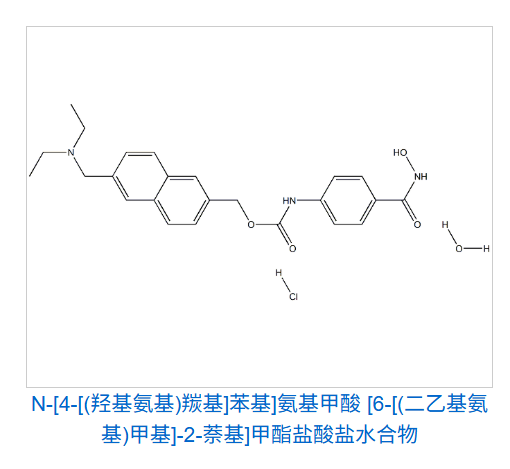
![8-Oxa-1,3-diazaspiro[4.5]decane-2,4-dione](https://eimg.pharmasources.com/image/product/20250403/60fa7223d5a34f24138486ceea0ffb15jpg)
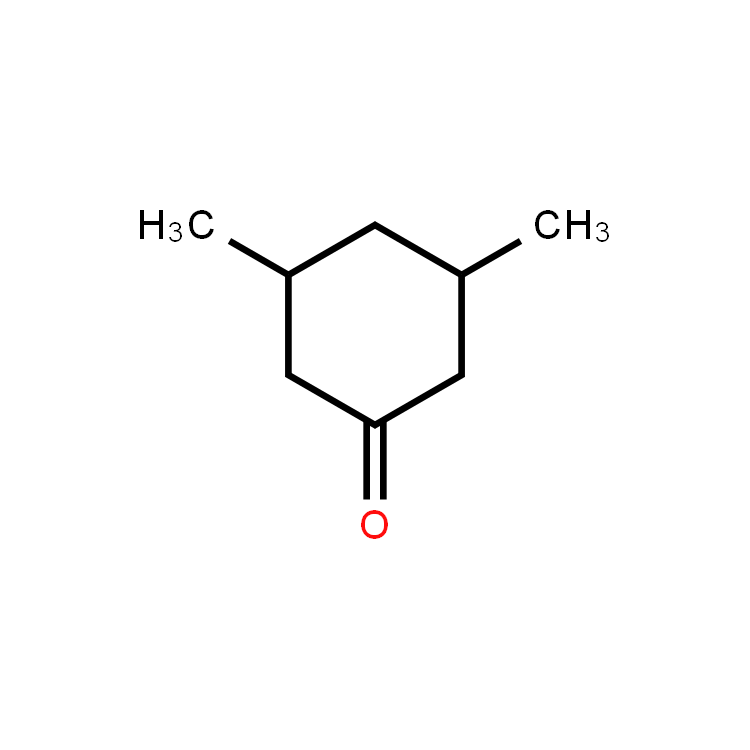
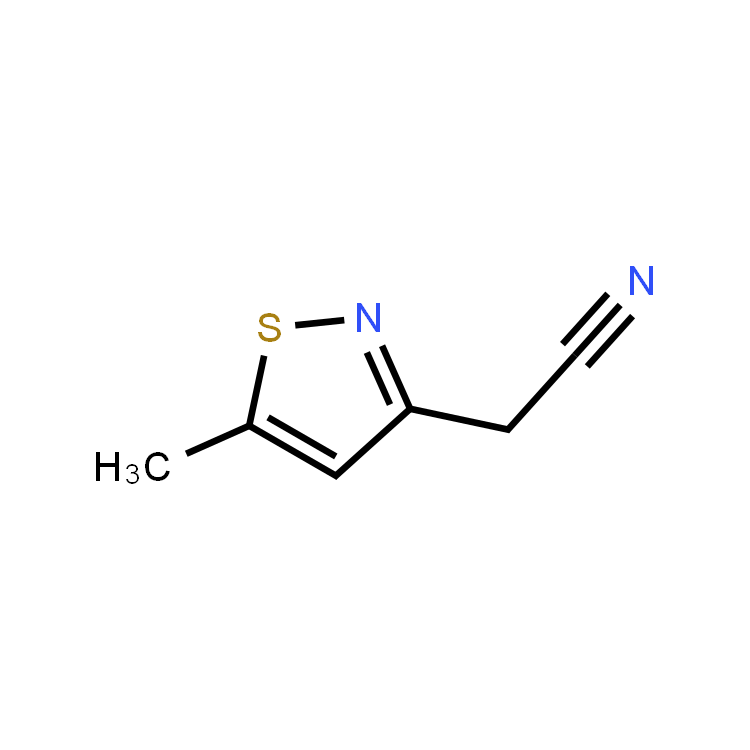
![6,8-Dioxo-5,7-diazaspiro[3.4]octane-2-carboxylic acid](https://eimg.pharmasources.com/image/product/20250403/02effeb5a7639bc84ff1f3add3c0c64fjpg)
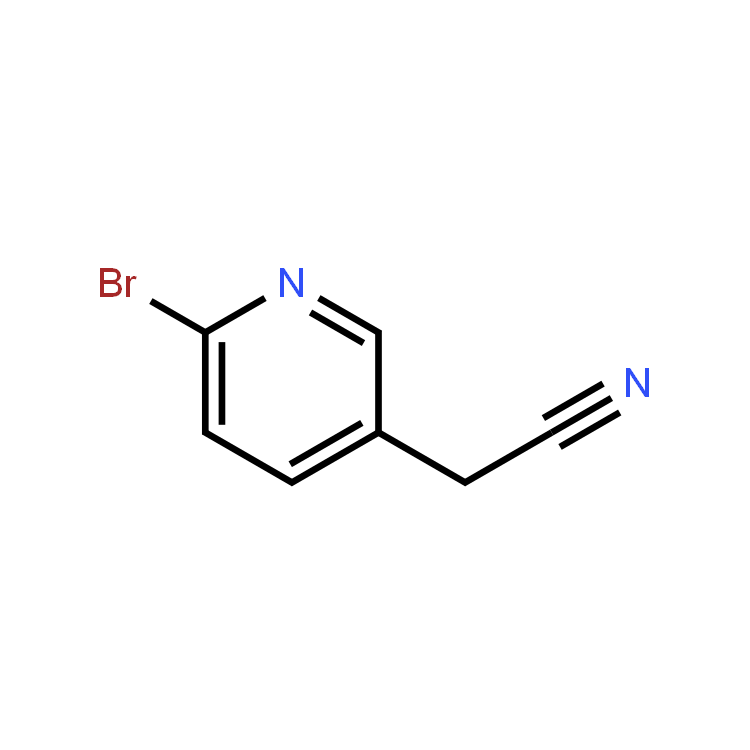
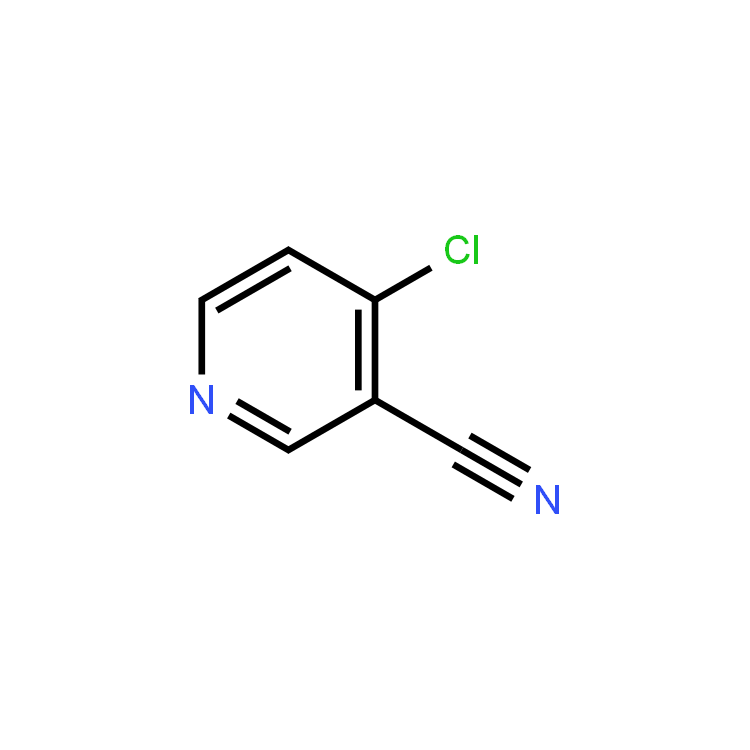
![8,16-Diazadispiro[6.1.6.2]heptadecan-17-one](https://eimg.pharmasources.com/image/product/20250403/ca91cba8b87e53fc879f8d8764873a40jpg)



 (All Rights Reserved)