Category:
Plant Extracts
CAS NO:
Non
Standard:
In-house Standards,


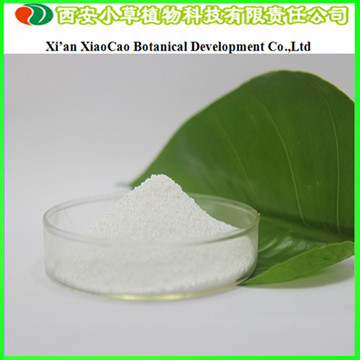
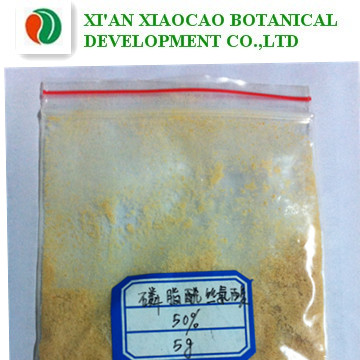
Lemon Balm extract
Commodity: Melissa extract
Other name: Lemon Balm extract
Latin Name: Melissa officinalis
Plant Part Used: Whole plant
Specification: UV 1%-5%(Flavonoids) / 3%, 5%, 10%(Rosmarinic Acid) or Extract Ratio 5:1, 10:1, 20:1
Description:
Melissa is commonly used in Europe as a tea, liquid extract, and topical preparation. Ancient Greeks and Romans used melissa in surgical dressings for wounds and in preparations to treat venomous or infectious bites and stings such as with dogs and scorpions. Today, melissa's primary use involves the treatment of cold sores and teething. It is also commonly used as an antibacterial and antifungal agent.
Fuction:
A cream preparation of melissa may be useful for the treatment of cold sores.
(1) In addition to shortening the healing period of cold sores, melissa may aid in the prevention of spreading the infection. Studies suggest that it may also have a soothing effect on typical symptoms of cold sores like itching, tingling, burning, and swelling. Scientists have looked at a few other potential uses for melissa extracts. For instance, it may function as an antioxidant when taken internally.
(2, 3) Melissa has also seen much use in Europe as supportive therapy for the nervous system, possibly helping to decrease stress and improve sleep.
(4) Laboratory studies have shown that rosmarinic acid, the active ingredient to which melissa is standardized, has been reported to inhibit cyclooxygenase 2 (COX-2) to an extent comparable to ibuprofen, naproxen and aspirin.
(5) This may indicate the ability to reduce inflammation.
A study suggests that melissa may support normal function of the thyroid gland.


 (All Rights Reserved) (All Rights Reserved)