Product Description
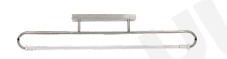
Product name Model Item Size Power 1.0mRadiant intensity μW/cm² Installation methods LED sterilization lamp
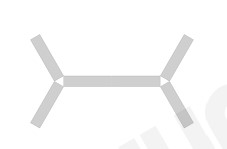
(benttube bracket)
YJSJ01-20w 75*25*680 20 ≥60
suspension�type
YJSJ01-30w 105*25*980 30 ≥90
YJSJ01-40w 135*25*1280 40 ≥110
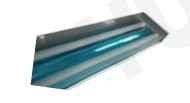
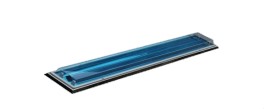
LED Sterilization Lamp -
UV Lamp
(Stainless Steel Beveled
Bracket)
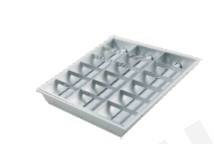
Purification Type
YJSJ02-20w 80*70*680 20 ≥60
Ceiling mounted
type
YJSJ02-30w 80*70*980 30 ≥90
YJSJ02-40w 80*70*1280 40 ≥111
AI Product Description
*The following content is generated by AI and is for reference only.
The product described is a professional-grade sterilization device designed for environments requiring rigorous disinfection, such as medical facilities, laboratories, food processing plants, and commercial kitchens. Constructed primarily from high-grade stainless steel, the unit features a durable bevel bracket that ensures stable mounting on walls or ceilings while resisting corrosion from harsh cleaning agents and humid conditions. This equipment utilizes ultraviolet-C (UV-C) radiation to effectively neutralize a broad spectrum of harmful microorganisms, including bacteria, viruses, and mold spores, by disrupting their DNA replication processes. Unlike chemical sanitizers, this method leaves no toxic residues, making it an ideal choice for maintaining hygienic standards without altering the taste or safety of surrounding surfaces.
Operation typically involves installing the lamp in areas where human occupancy is minimal or strictly controlled during active cycles. The device operates silently and efficiently, providing continuous air and surface purification when activated. However, safety is paramount due to the nature of UV-C exposure. Direct contact with skin or eyes can cause severe burns and permanent damage; therefore, the system must be equipped with motion sensors, timers, or warning lights to prevent accidental activation while people are present. Regular maintenance is essential to ensure optimal performance. The quartz glass envelope should be cleaned periodically with alcohol to remove dust or grease that could block UV transmission. Additionally, the lamp has a finite lifespan and requires replacement according to manufacturer guidelines, usually after 8,000 to 9,000 hours of operation, even if it remains visibly lit. Proper disposal of spent units is also necessary due to potential mercury content in some models. By integrating this technology into standard sanitation protocols, organizations can significantly reduce infection risks and maintain a sterile environment effectively.





 (All Rights Reserved)