Product Description
Product name Model Power luminous flux lighting effect Kelvin Explosion�Proof level IP Level Installation methods Remark
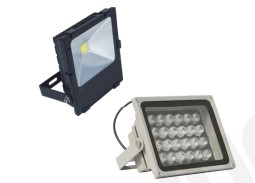
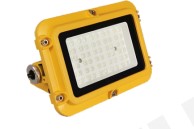
LED explosion�proof floodlight
YJBTD-30w 30W 2700lm
90 6500k Ex d II CT6 Gb IP65
Wall
mounted
The Angle of the
mounting bracket
is adjustable
YJBTD-50w 50w 4500lm
YJBTD-80w 80w 7200lm
YJBTD-100w 100w 9000lm
YJBTD-150w 150w 13500lm
YJBTD-200w 200w 18000lm
AI Product Description
*The following content is generated by AI and is for reference only.
High-intensity floodlights designed for demanding industrial and commercial environments serve as critical illumination solutions where safety and reliability are paramount. These robust fixtures are specifically engineered to withstand harsh conditions, including extreme temperatures, moisture, dust, and corrosive chemicals, making them ideal for oil refineries, chemical plants, mining operations, and offshore platforms. The primary function is to provide powerful, uniform lighting across large outdoor areas or hazardous indoor zones while preventing internal sparks from igniting flammable gases, vapors, or combustible dusts found in such settings.
Constructed with durable materials like reinforced polycarbonate lenses and high-grade aluminum alloys, these units offer exceptional impact resistance and long service life. Their sealed housings ensure a high Ingress Protection rating, effectively keeping out water and particulate matter. Internally, advanced thermal management systems prevent overheating, ensuring consistent performance even during continuous operation in hot climates. Furthermore, many models feature energy-efficient light sources that reduce operational costs while maintaining high luminous efficacy.
When installing or operating these devices, strict adherence to local electrical codes and explosion-proof regulations is essential. Only qualified personnel should handle installation, ensuring all conduit connections are properly sealed to maintain the integrity of the explosion-proof barrier. Regular inspections are necessary to check for lens cracks, seal degradation, or corrosion, which could compromise safety. Cleaning must be performed with non-abrasive materials and compatible solvents to avoid damaging protective coatings. It is crucial never to open the housing while the unit is energized or immediately after shutdown when components may still be hot. Proper grounding is also mandatory to prevent static discharge. By following these guidelines and adhering to manufacturer specifications, facilities can ensure maximum safety, regulatory compliance, and optimal lighting performance in potentially explosive atmospheres.





 (All Rights Reserved)