We are professional Raw Material Manufacturer, with more than 10 years' experience.
Please contact us for more information and detailed quotation
Email: sales12@sgonekbio.com
Phone/WhatsApp/Wechat: +86 13572550462

*The following content is generated by AI and is for reference only.
Lactobacillus fermentum is a widely recognized species of lactic acid bacteria belonging to the genus Lactobacillus. It is a Gram-positive, facultatively anaerobic, non-spore-forming rod that plays a pivotal role in both natural fermentation processes and human health maintenance. Unlike small chemical molecules, L. fermentum does not possess a single molecular formula or a traditional CAS number because it is a living microorganism rather than a pure chemical compound. Consequently, regulatory databases list it under its biological classification rather than providing a specific chemical identifier like those found for synthetic substances. Its metabolic activity involves the fermentation of carbohydrates into lactic acid, which lowers environmental pH and inhibits the growth of pathogenic bacteria.
This probiotic strain is extensively utilized across various industries, with significant applications in food production, pharmaceuticals, and cosmetics. In the food sector, L. fermentum is commonly employed as a starter culture for fermenting dairy products such as yogurt, cheese, and kefir, as well as plant-based foods like sauerkraut and sourdough bread. It contributes unique flavor profiles and enhances nutritional value by producing bioactive compounds. In the healthcare industry, this bacterium is valued for its ability to modulate the gut microbiome, improve digestive health, boost immune system function, and potentially alleviate conditions such as irritable bowel syndrome and antibiotic-associated diarrhea. Scientific studies suggest that certain strains of L. fermentum can produce antimicrobial peptides and enhance barrier integrity in the intestinal lining. Furthermore, its antioxidant properties make it an attractive ingredient in cosmetic formulations aimed at skin protection and anti-aging treatments. The safety profile of L. fermentum is generally well-established, making it a preferred choice for dietary supplements and functional foods globally. As research continues, new therapeutic potentials are being uncovered, solidifying its status as a versatile and essential component in modern biotechnology and wellness strategies.

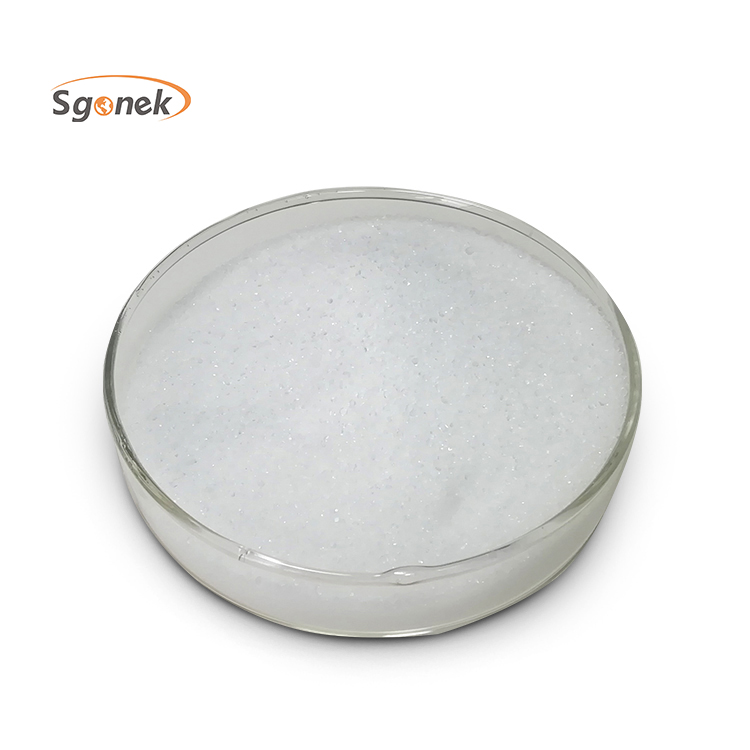
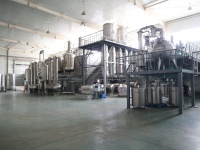
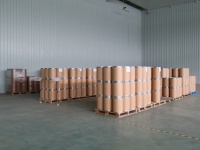




 (All Rights Reserved)