*The following content is generated by AI and is for reference only.
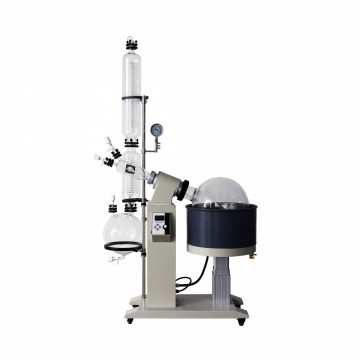
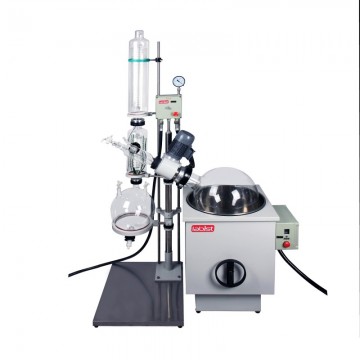
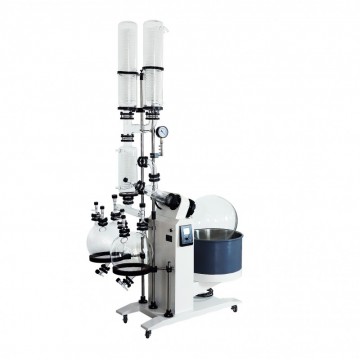
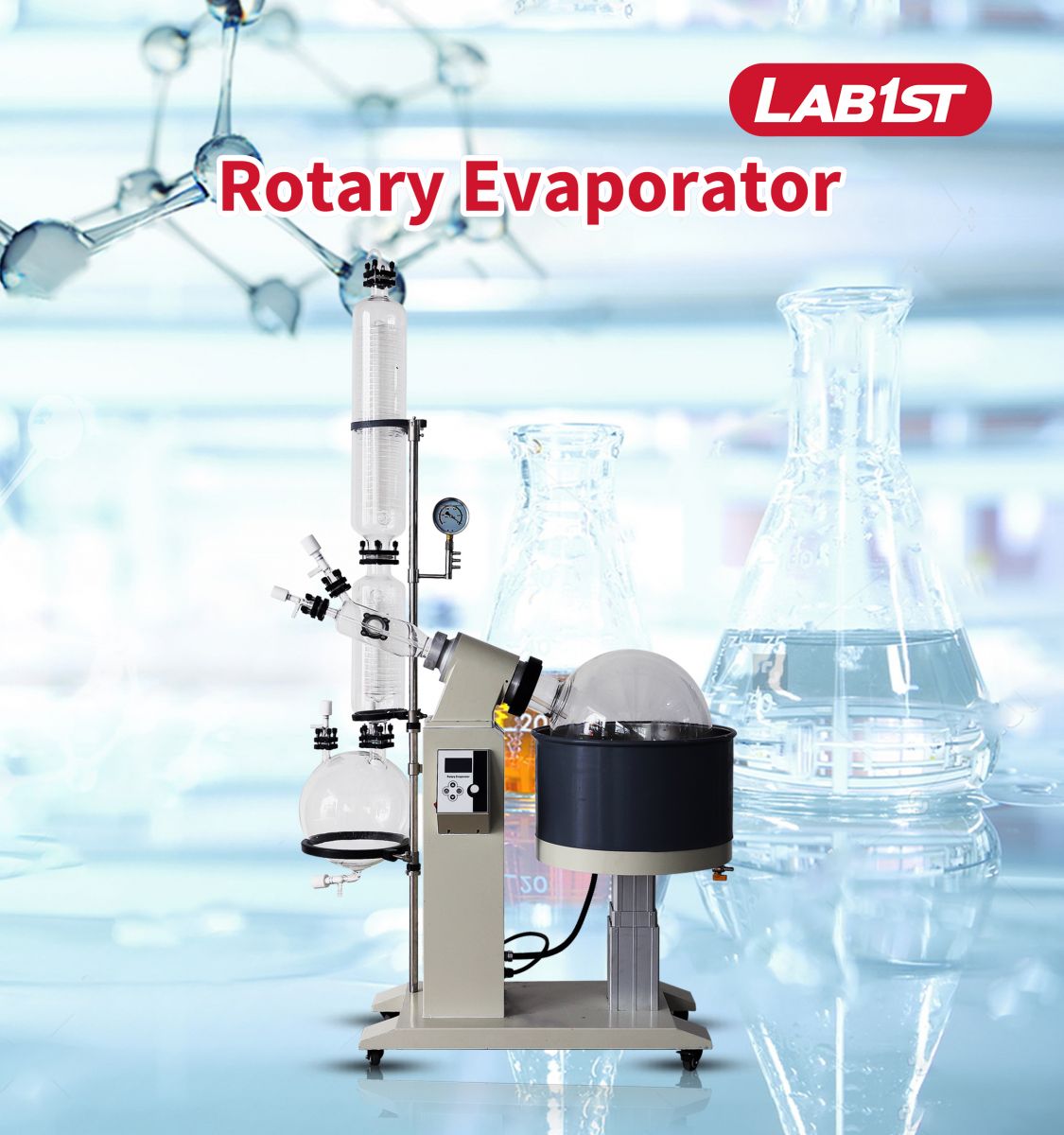
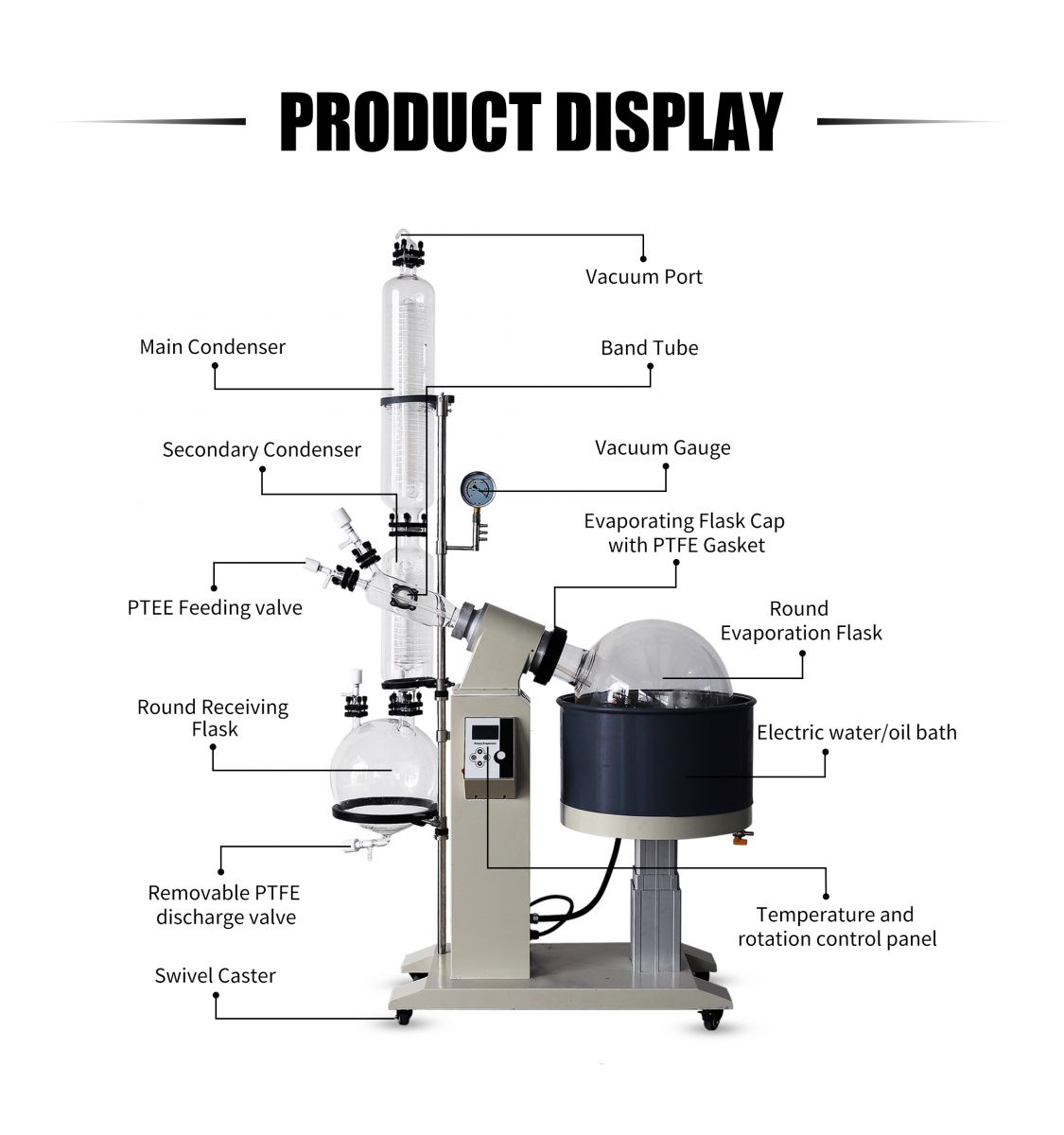
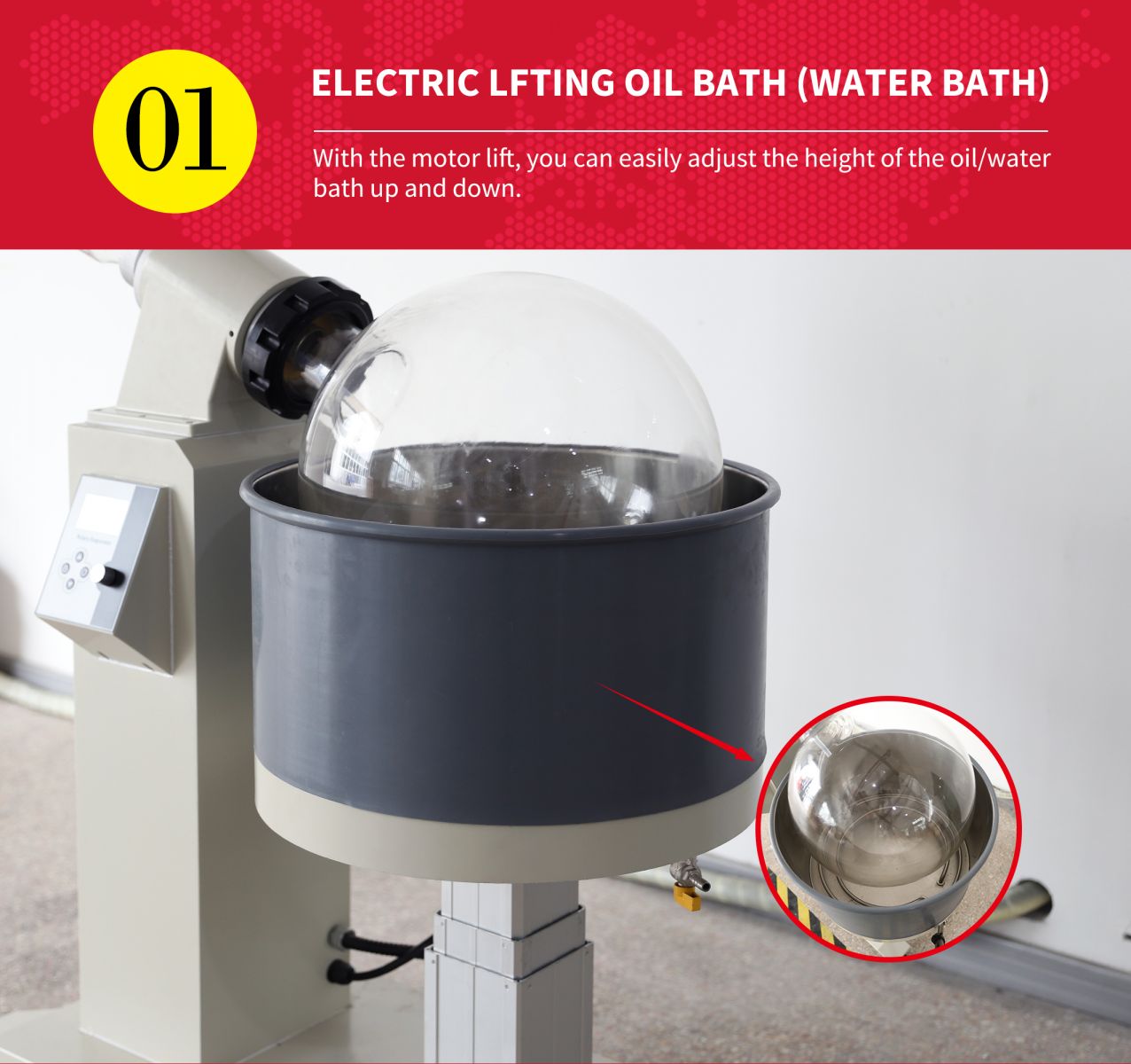
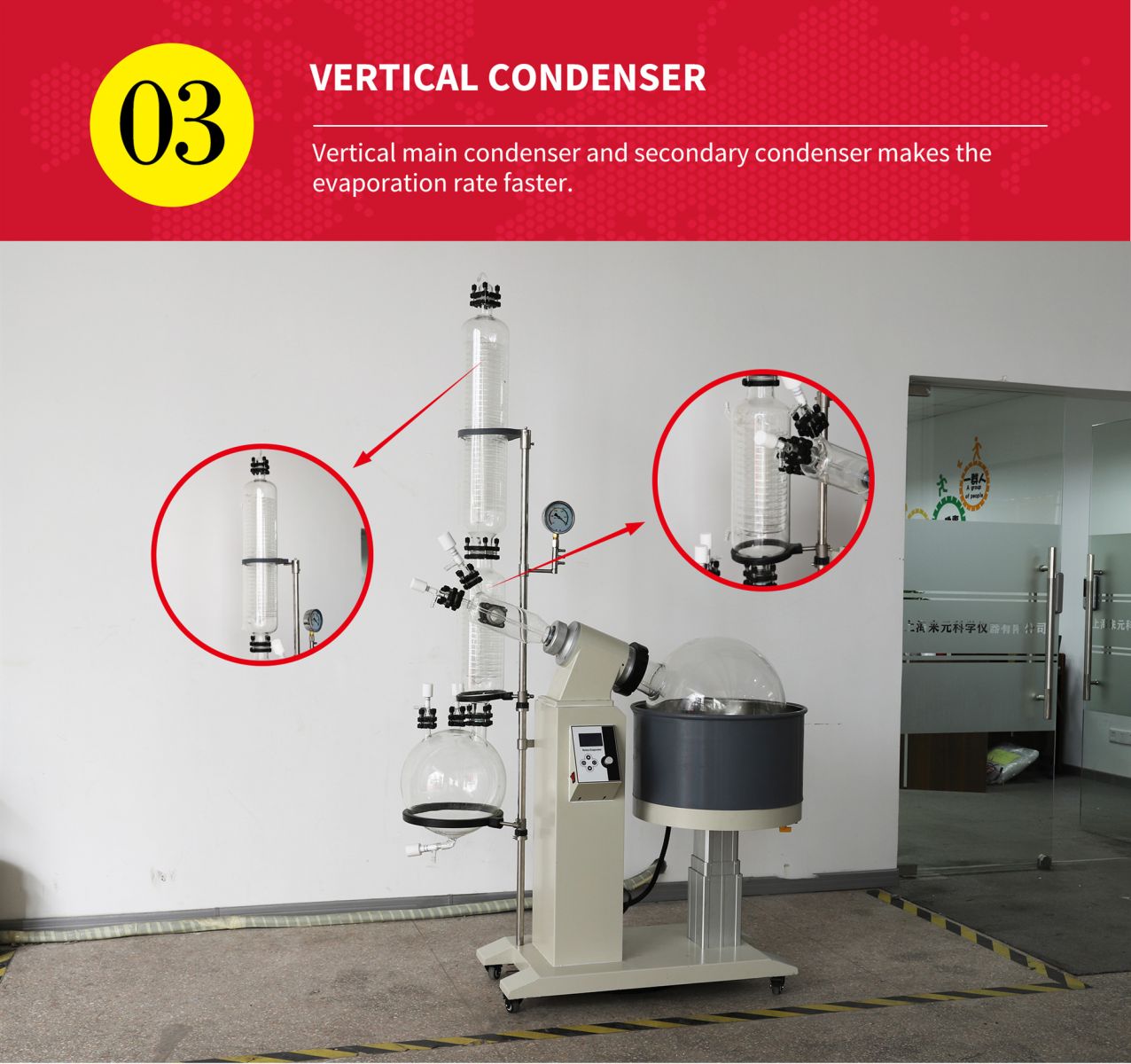
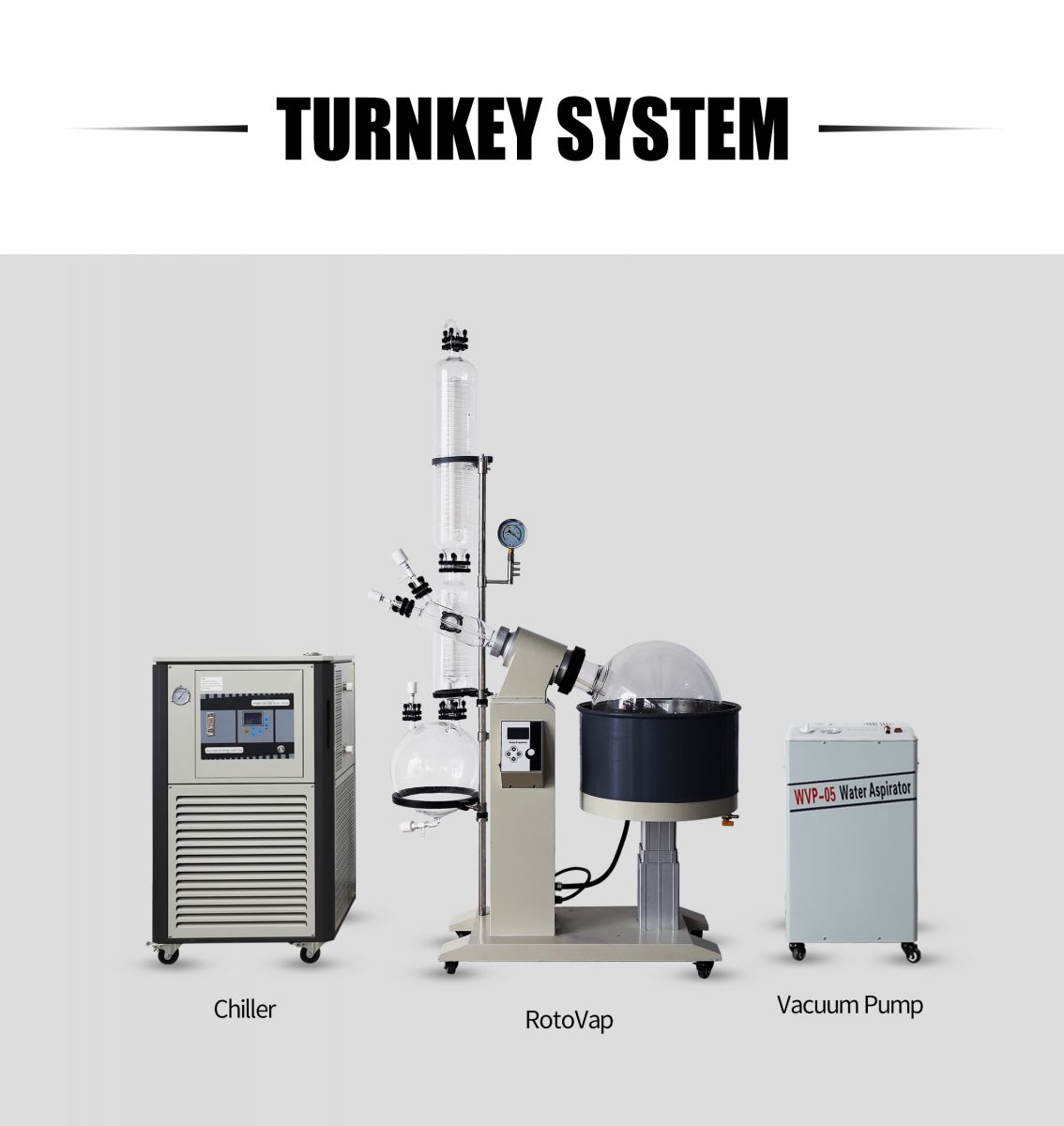
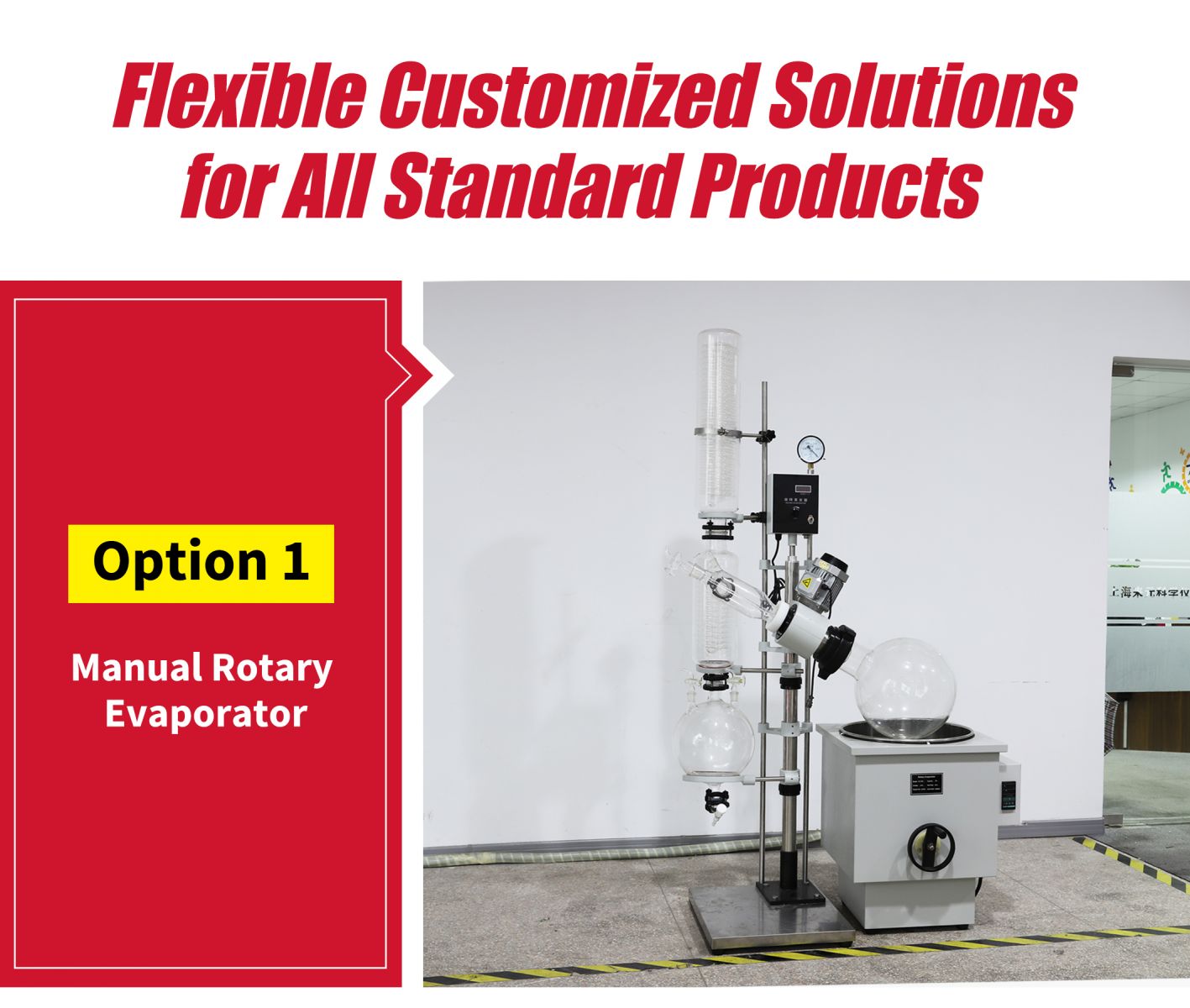
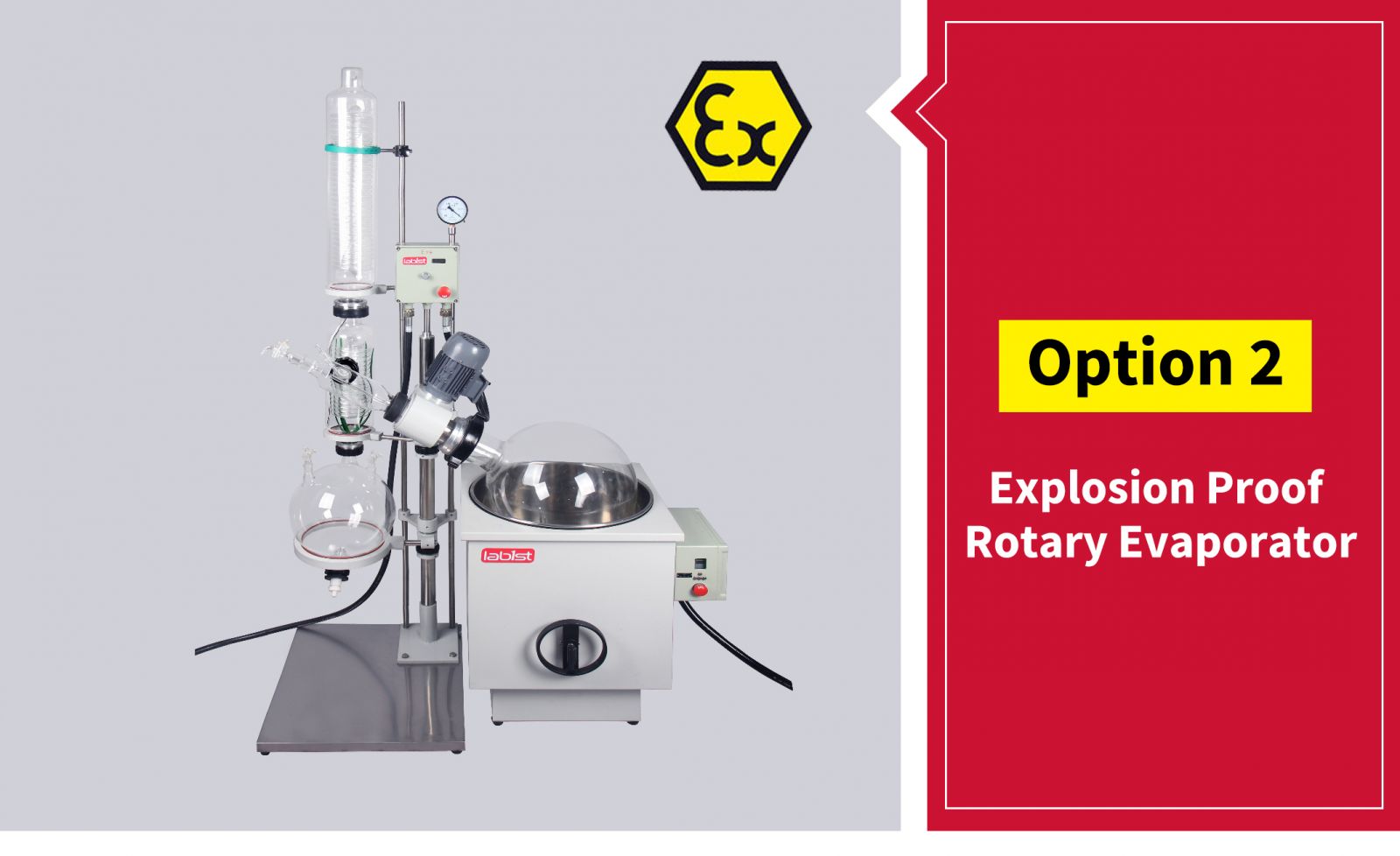
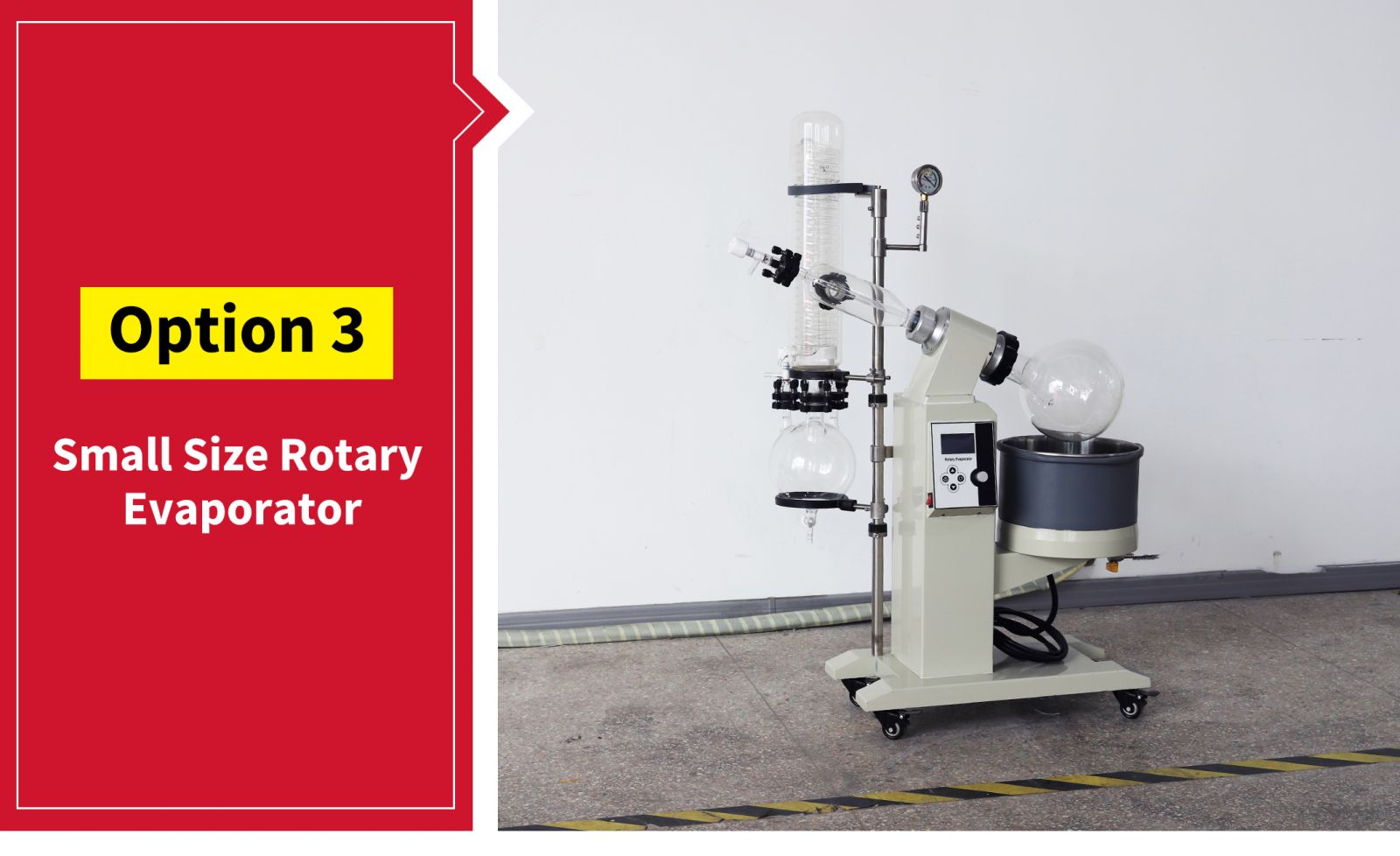
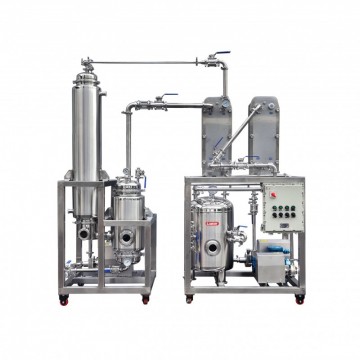
Rotary evaporators are essential laboratory instruments designed for the efficient and gentle removal of solvents from samples through evaporation. Widely used in chemistry, pharmaceuticals, and food science, this equipment facilitates solvent recovery and sample concentration under reduced pressure. The system operates by rotating a flask containing the sample at a controlled speed while it is partially submerged in a heated water bath. This rotation increases the surface area of the liquid, promoting rapid evaporation. Simultaneously, a vacuum pump lowers the internal pressure, which significantly reduces the boiling point of the solvent, allowing evaporation to occur at lower temperatures. This feature is crucial for protecting heat-sensitive compounds from degradation. The evaporated vapor travels into a condenser, where it is cooled and transformed back into a liquid state, collecting in a separate receiving flask for reuse or disposal.
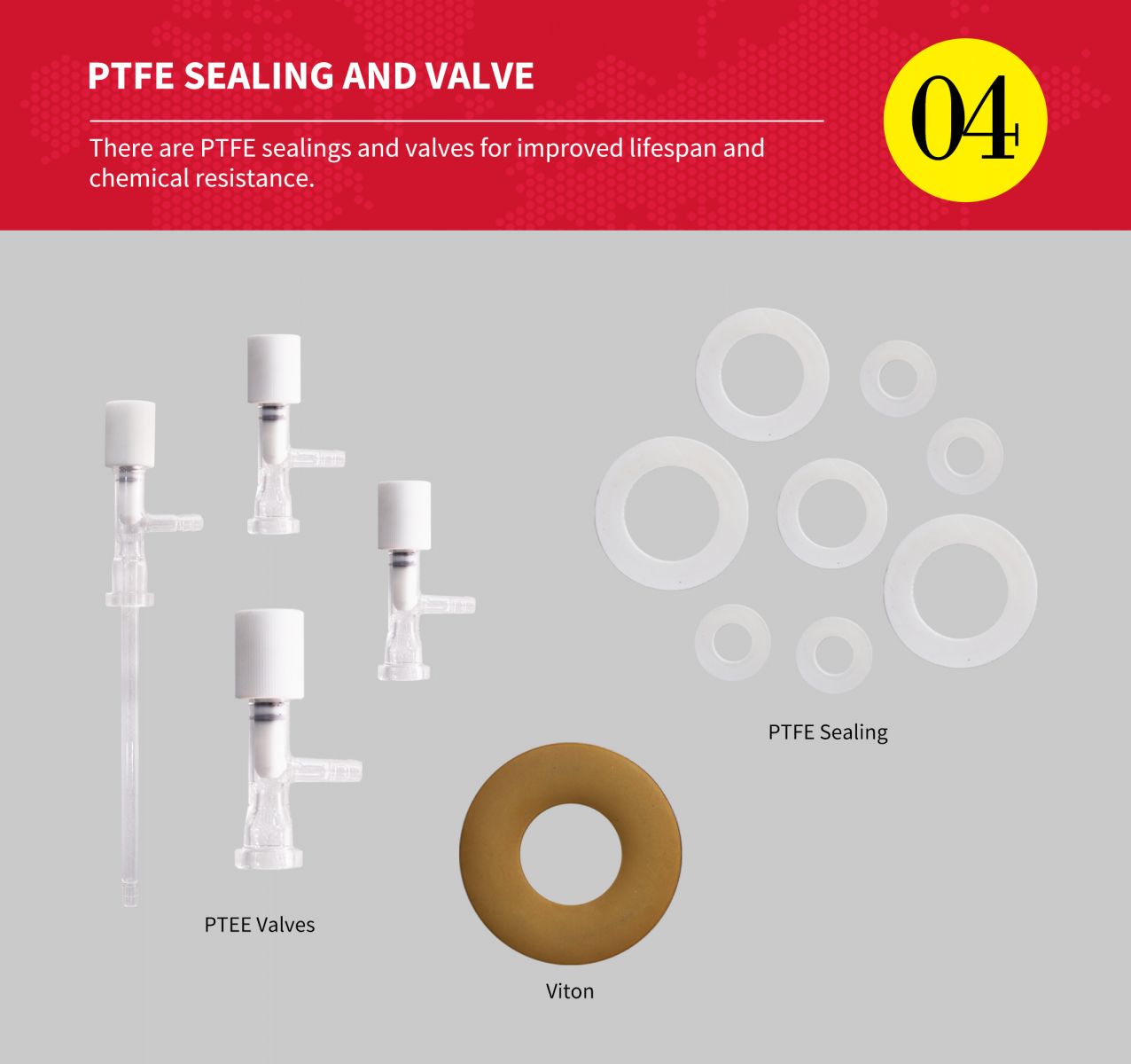
Several critical precautions must be observed to ensure safety and operational efficiency. First, always verify that all glass joints are properly lubricated and securely clamped to prevent leaks or disconnections under vacuum. Second, never exceed the maximum recommended temperature for the specific solvent being used, as this could lead to thermal decomposition or dangerous pressure buildup. Third, ensure the cooling medium, typically chilled water or a glycol mixture, is circulating effectively before initiating the vacuum; failure to do so may result in solvent loss into the atmosphere. Additionally, users should avoid introducing non-volatile solids directly into the boiling flask without prior filtration, as this can cause bumping or foaming. Regular maintenance of the vacuum pump and checking for worn seals are also vital to maintain optimal performance. Finally, proper ventilation is necessary when handling volatile or toxic organic solvents to prevent inhalation hazards. By adhering to these guidelines, researchers can achieve high-purity results while maintaining a safe working environment.