*The following content is generated by AI and is for reference only.
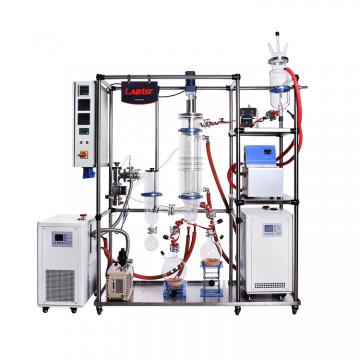
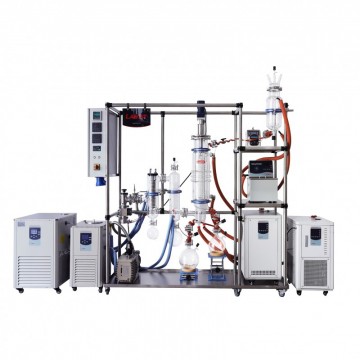
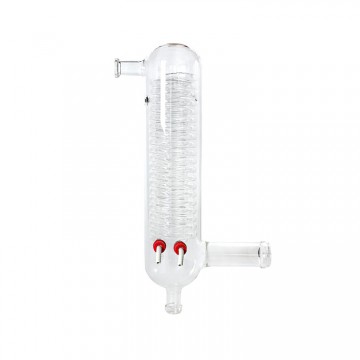
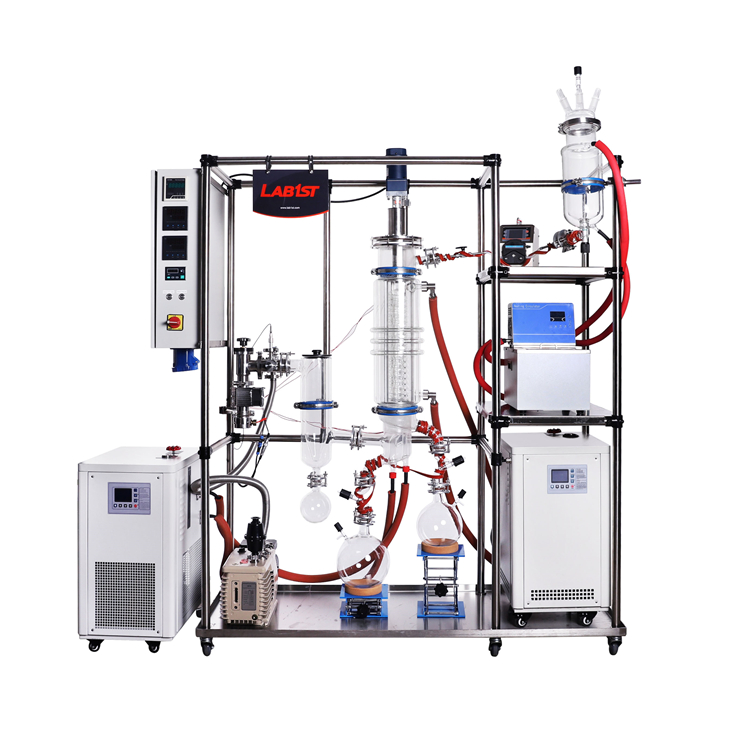
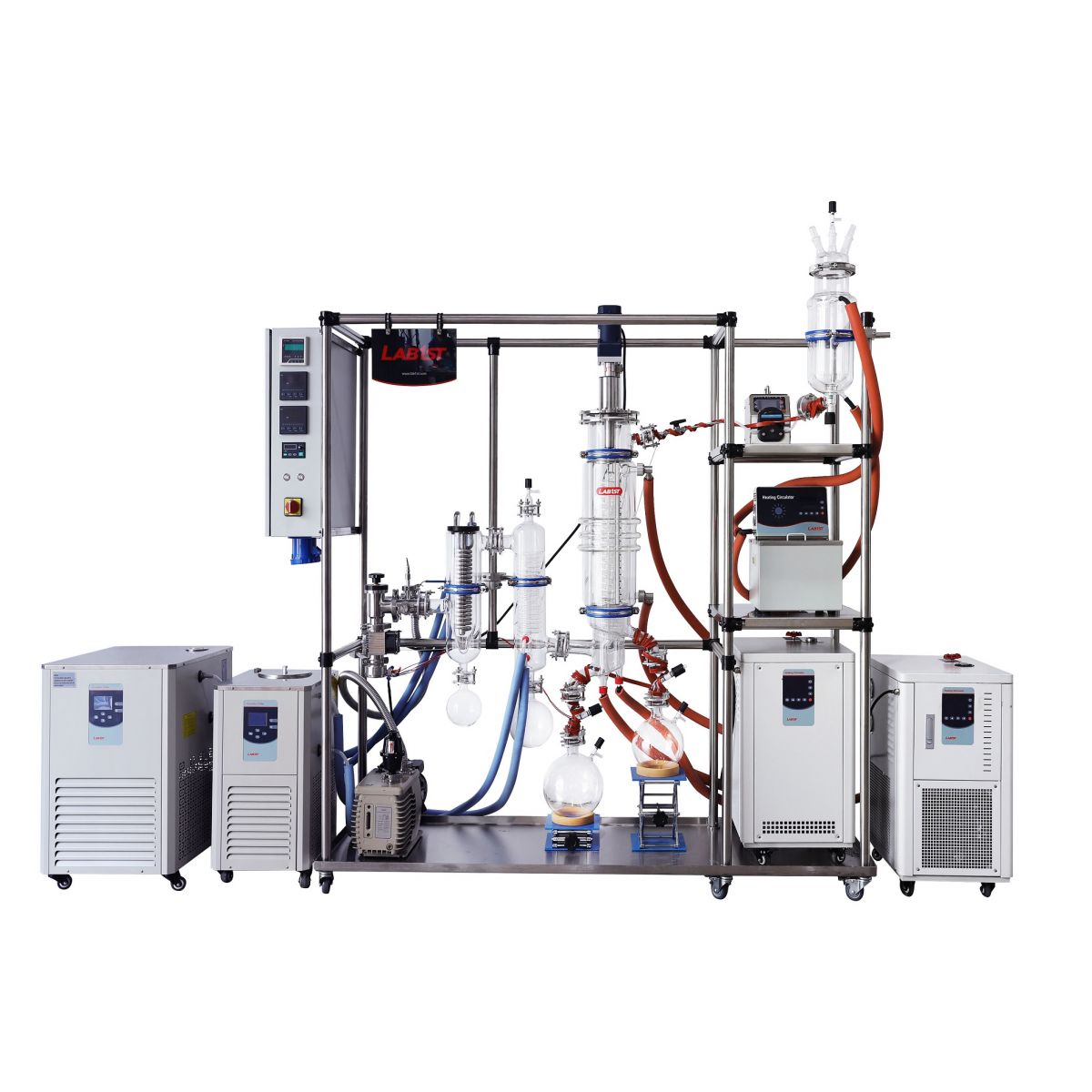
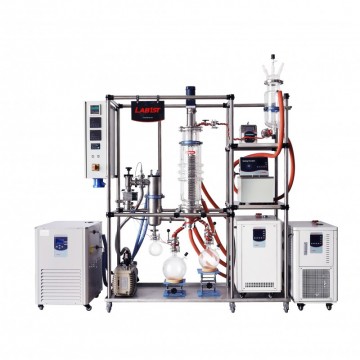
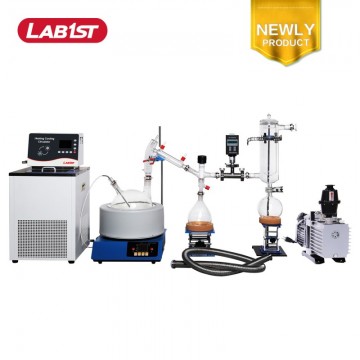
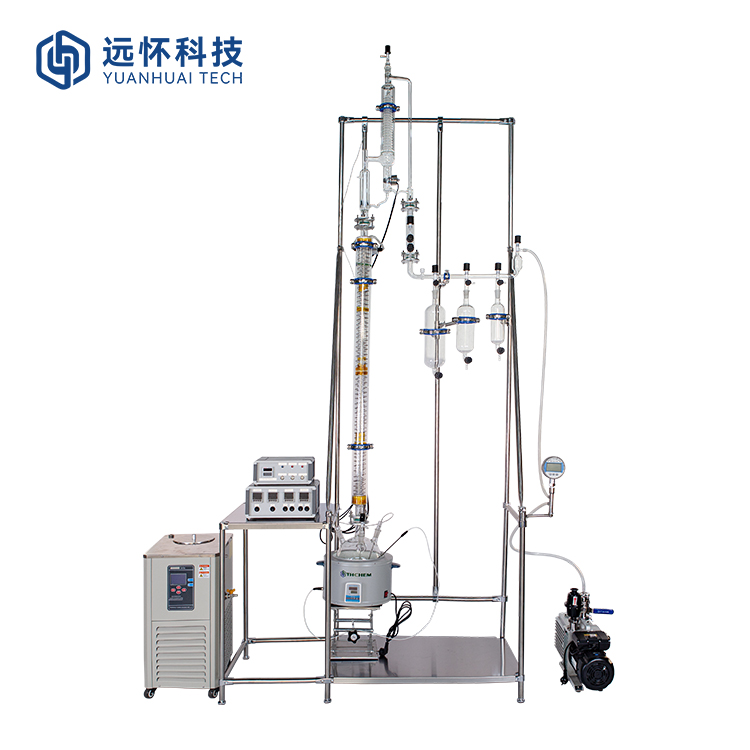
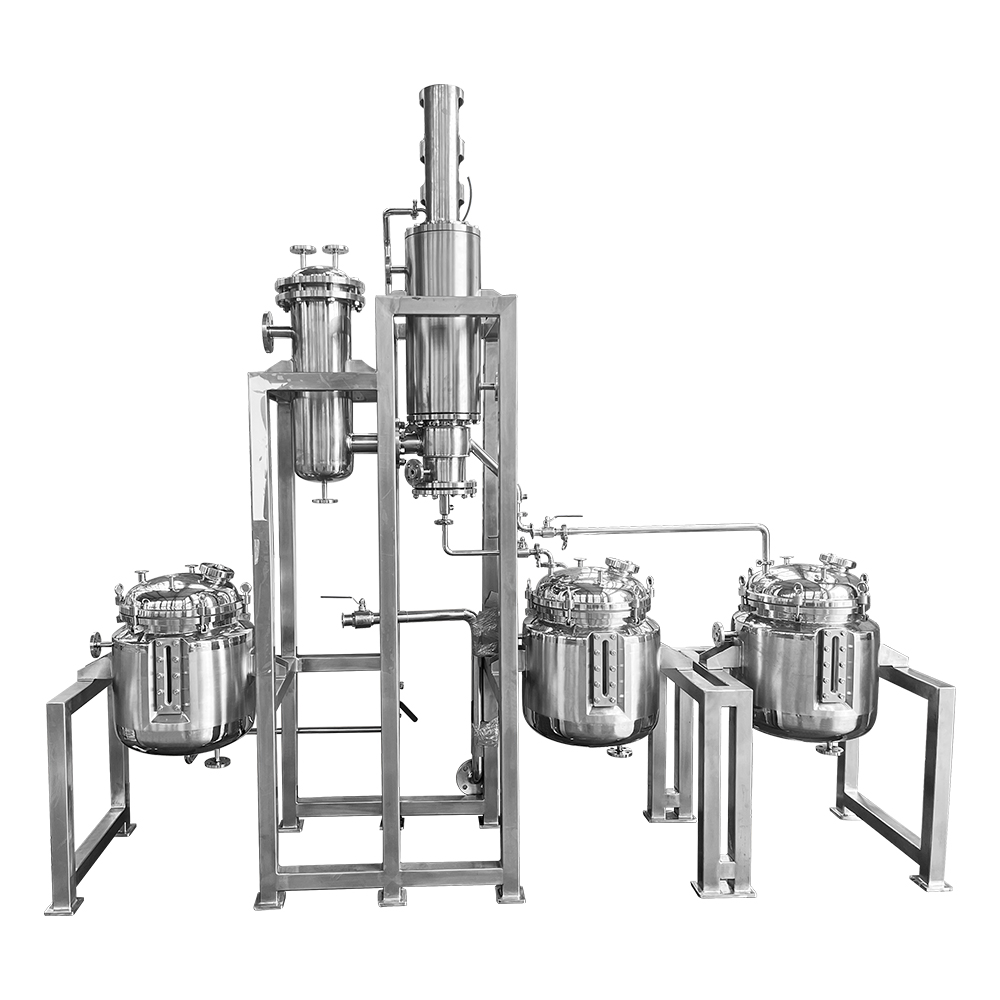
The Glass Wiped Film Molecular Distillation Unit is a sophisticated separation technology designed for the purification of heat-sensitive, high-boiling-point, and viscous materials. Unlike traditional distillation methods that rely on boiling points under atmospheric pressure, this unit operates under high vacuum conditions where the mean free path of molecules exceeds the distance between the heating surface and the condenser. This unique physical principle allows components to evaporate and separate without undergoing thermal decomposition, making it ideal for industries such as pharmaceuticals, food processing, cosmetics, and fine chemicals.
Primary applications include the refining of fish oil to remove heavy metals and PCBs, the concentration of vitamin E and sterols from vegetable oils, the purification of essential oils, and the recovery of valuable solvents or polymers. The "wiped film" mechanism utilizes rotating wipers to create a thin, turbulent liquid film on the heated glass wall. This design ensures efficient heat transfer, minimizes residence time to prevent degradation, and prevents scaling or fouling on the heating surface.
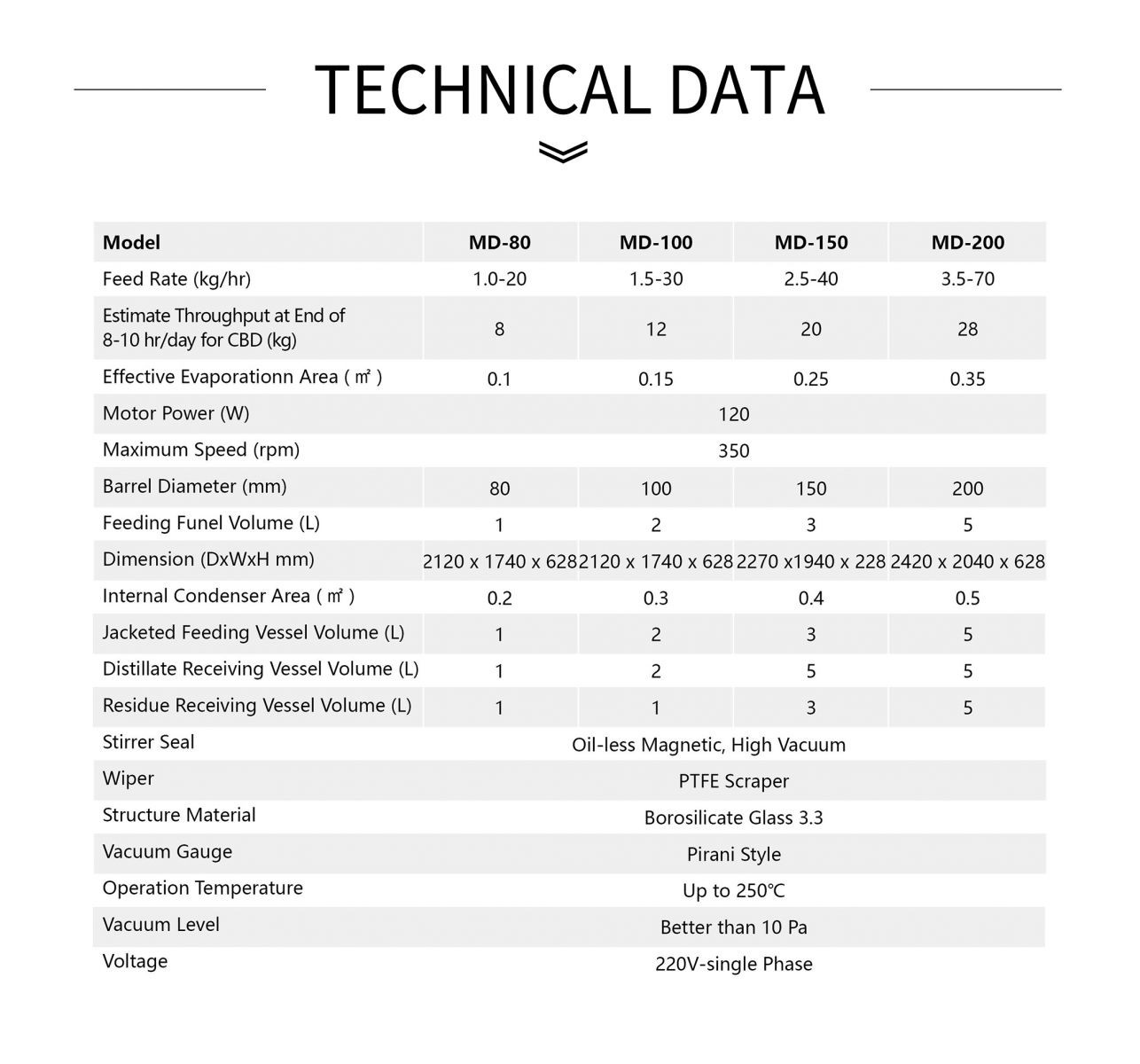
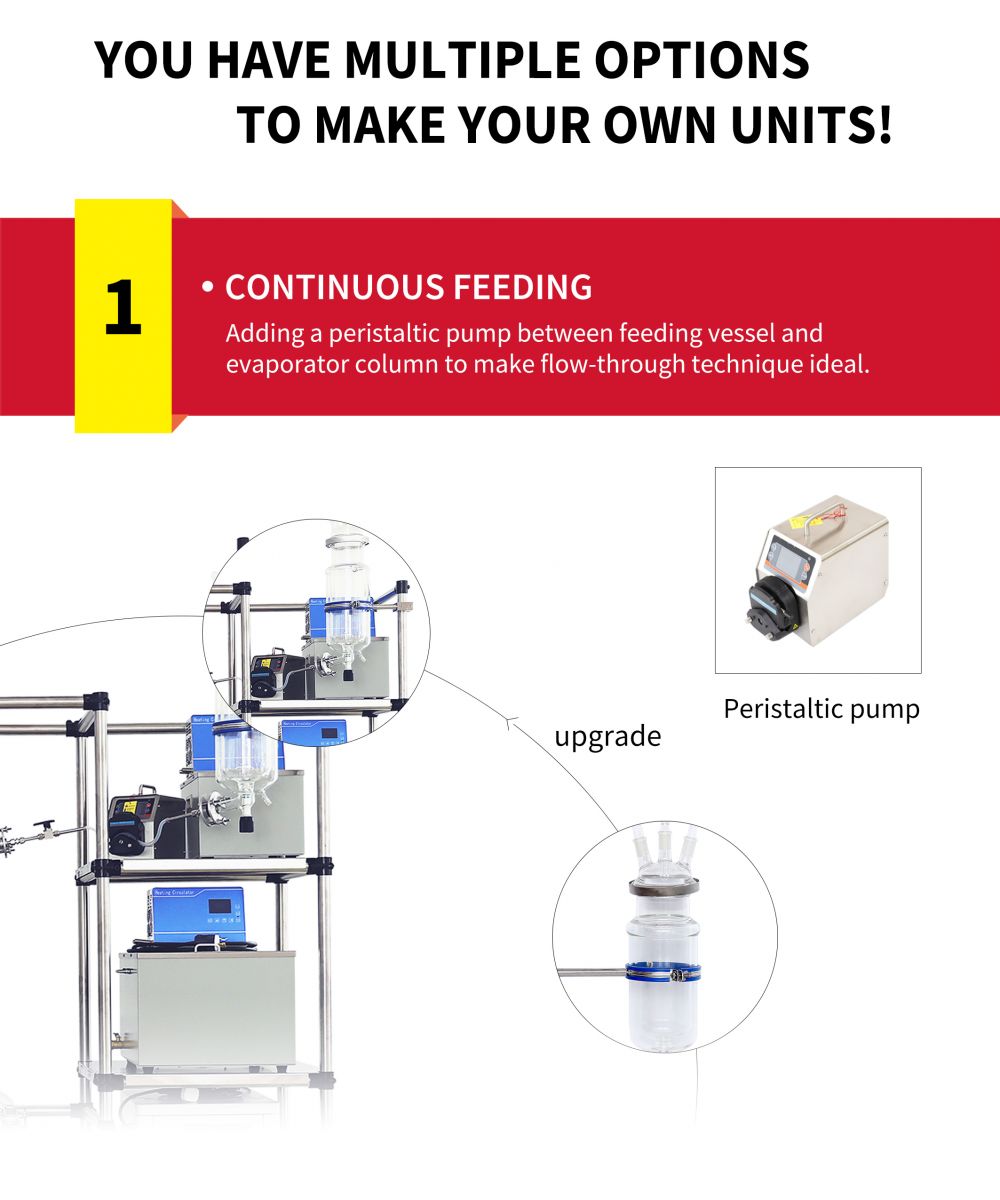
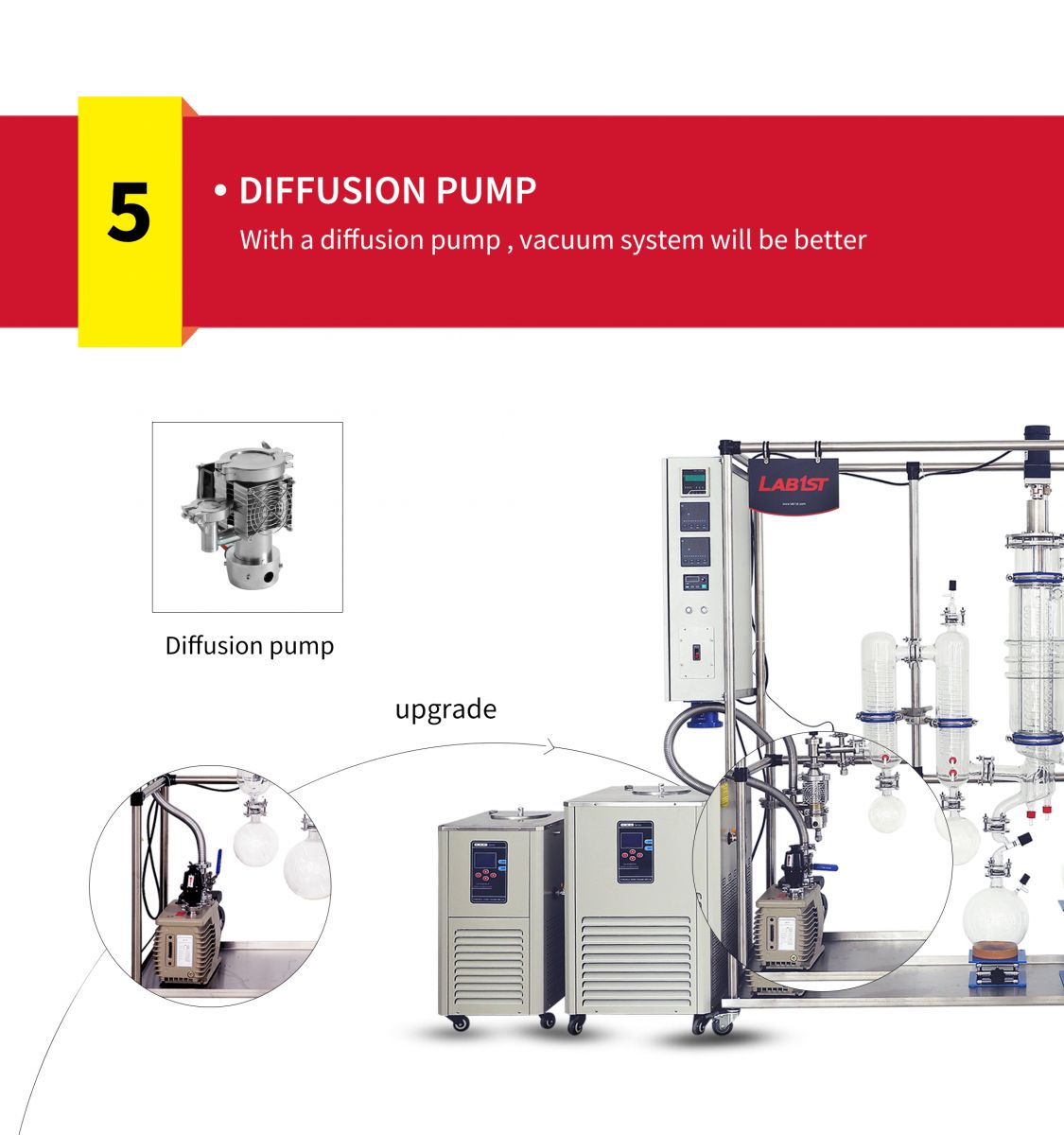
Several critical operational precautions must be observed to ensure safety and optimal performance. First, the system requires a robust vacuum pump capable of maintaining ultra-high vacuum levels; any leakage can drastically reduce separation efficiency. Second, because the equipment operates at elevated temperatures under deep vacuum, strict thermal management is essential to avoid thermal shock to the glass components, which could lead to catastrophic failure. Operators must follow a precise ramp-up and cool-down procedure. Third, the material feed rate must be carefully calibrated to match the evaporation capacity; excessive feeding can cause flooding, while insufficient feeding reduces throughput. Finally, regular maintenance of the sealing rings and mechanical seals is vital, as these are common points of failure in high-vacuum environments. Proper training and adherence to standard operating procedures are mandatory to prevent accidents and ensure product quality.