We are professional Raw Material Manufacturer, with more than 10 years' experience.
Please contact us for more information and detailed quotation
Email: sales12@sgonekbio.com
Phone/WhatsApp/Wechat: +86 13572550462
*The following content is generated by AI and is for reference only.
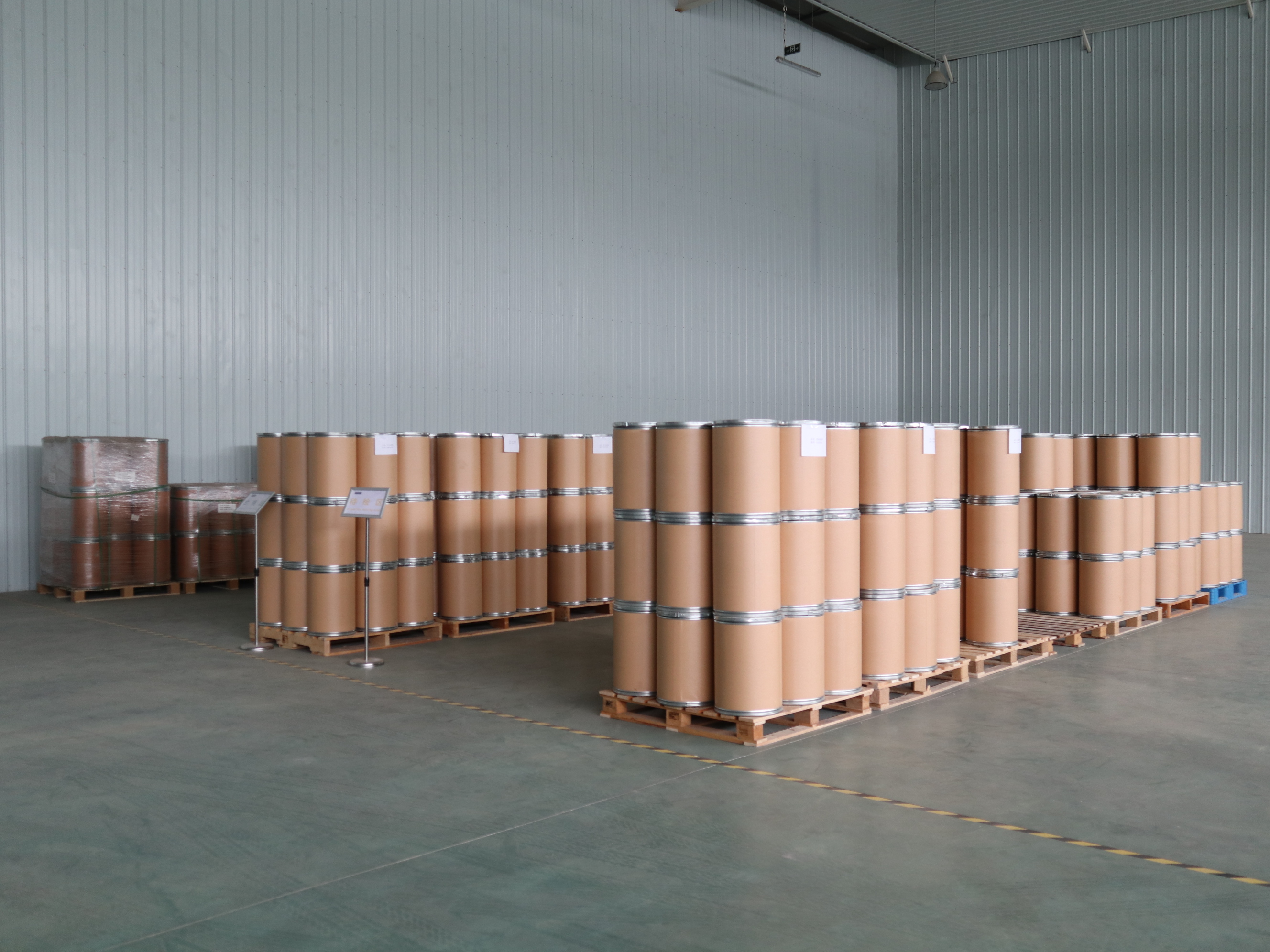
L-Valine is a vital essential amino acid and a high-purity raw material widely utilized across pharmaceutical, nutritional, and industrial sectors. Chemically known as 2-amino-3-methylbutanoic acid, its molecular formula is C₅H₁₁NO₂, and it carries the CAS Registry Number 7004-19-5. This white to off-white crystalline powder is characterized by its excellent solubility in water and alkaline solutions, while remaining practically insoluble in organic solvents like ethanol and ether. As one of the three branched-chain amino acids (BCAAs), L-valine plays a critical role in human metabolism, particularly in muscle tissue maintenance and energy production. It is indispensable for nitrogen transport and serves as a precursor for the synthesis of other essential proteins within the body.
In the pharmaceutical industry, L-valine raw material is a key ingredient in parenteral nutrition formulations, ensuring patients receive necessary amino acids intravenously during recovery or malnutrition states. It is also extensively used in the manufacturing of specific drugs targeting metabolic disorders and neurological conditions. Beyond medicine, this compound is a cornerstone in the sports nutrition market, where it is formulated into dietary supplements to enhance athletic performance, reduce muscle fatigue, and accelerate post-exercise recovery. The supplement industry leverages its ability to support muscle protein synthesis without being metabolized by the liver first, allowing for rapid uptake by muscle tissues.
Furthermore, L-valine finds applications in the food and beverage sector as a flavor enhancer and nutrient fortifier, often added to processed foods to boost their protein content. In agricultural science, it is incorporated into animal feed to optimize growth rates and improve meat quality in livestock. The production of L-valine typically involves fermentation using genetically modified microorganisms such as *Corynebacterium glutamicum*, ensuring high purity levels suitable for sensitive applications. With rigorous quality control standards governing its synthesis, L-valine remains a reliable, versatile, and safe raw material that supports global health initiatives and industrial innovation. Its unique chemical structure and biological efficacy make it an irreplaceable component in modern biochemistry and biotechnology.











 (All Rights Reserved)