Category:
Amino Acids and Derivatives
CAS NO:
73-22-3
Standard:
USP,

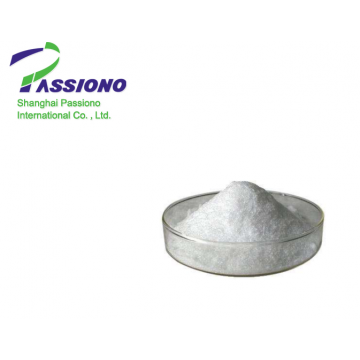
Product name: L-Tryptophan
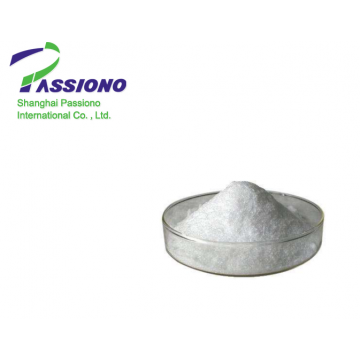
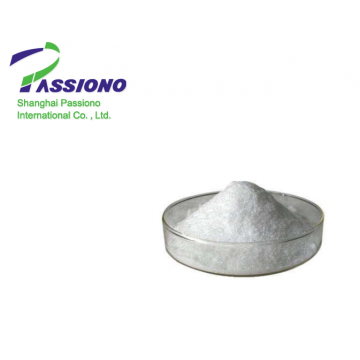
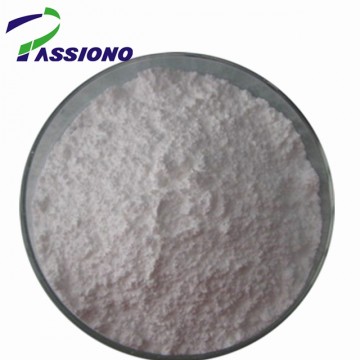
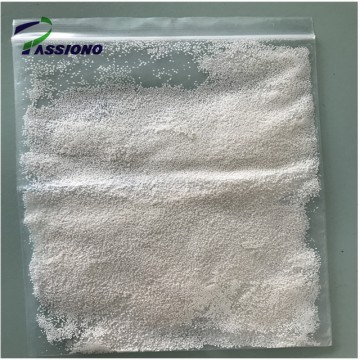
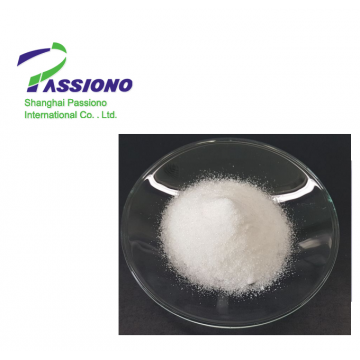
Description: White or yellow slightly crystalline powder
Structure:
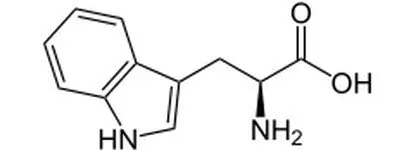
|
L-Tryptophan |
|
|
|
|
|
|
|
|
IUPAC name Tryptophan or (2S)-2-amino-3-(1H-indol-3-yl)propanoic acid |
|
|
Other names 2-Amino-3-(1H-indol-3-yl)propanoic acid |
|
|
Identifiers |
|
|
CAS number |
73-22-3 |
|
PubChem |
6305 |
|
ChemSpider |
6066 |
|
UNII |
8DUH1N11BX |
|
ChEMBL |
CHEMBL54976 |
|
IUPHAR ligand |
717 |
|
ATC code |
N06AX02 |
|
Properties |
|
|
Molecular formula |
C11H12N2O2 |
|
Molar mass |
204.23 g mol−1 |
|
Solubility inwater |
Soluble: 0.23 g/L at 0 °C, 11.4 g/L at 25 °C, |
|
Solubility |
Soluble in hot alcohol, alkali hydroxides; insoluble in chloroform. |
|
Acidity (pKa) |
2.38 (carboxyl), 9.39 (amino) |
Product function:
L-Tryptophan is a naturally occurring amino-acid. It is a precursor for the mood-regulating serotonin the brain neurotransmitter linked with pleasure and fulfilment. L-Tryptophan's is used to alleviate depression, support alcohol withdrawal and to aid weight loss. It plays an important role in our diets, and aging individuals are often in need of it as a supplement.
Specification:
|
Test Items |
PECIFICATION |
|
Description: |
White or yellow slightly |
|
Specific Rotation: |
–30.50 to –32.5degree |
|
PH: |
5.5~6.4 |
|
Chloride (Cl): |
0.05% Max |
|
Sulfate: |
NMT0.03% |
|
Heavy Metals: |
NMT 0.0015% |
|
Arsenic: |
NMT1ppm |
|
Iron: |
NMT 0.003% |
|
Loss on drying: |
NMT 0.3% |
|
Residue on Ignition: |
NMT 0.1% |
|
Assay: |
99.0-101.0% |



 (All Rights Reserved) (All Rights Reserved)