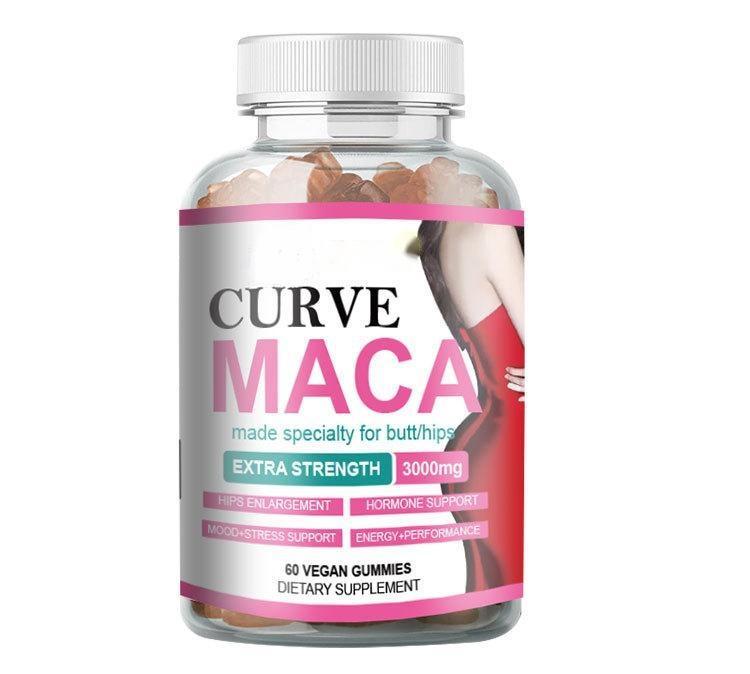
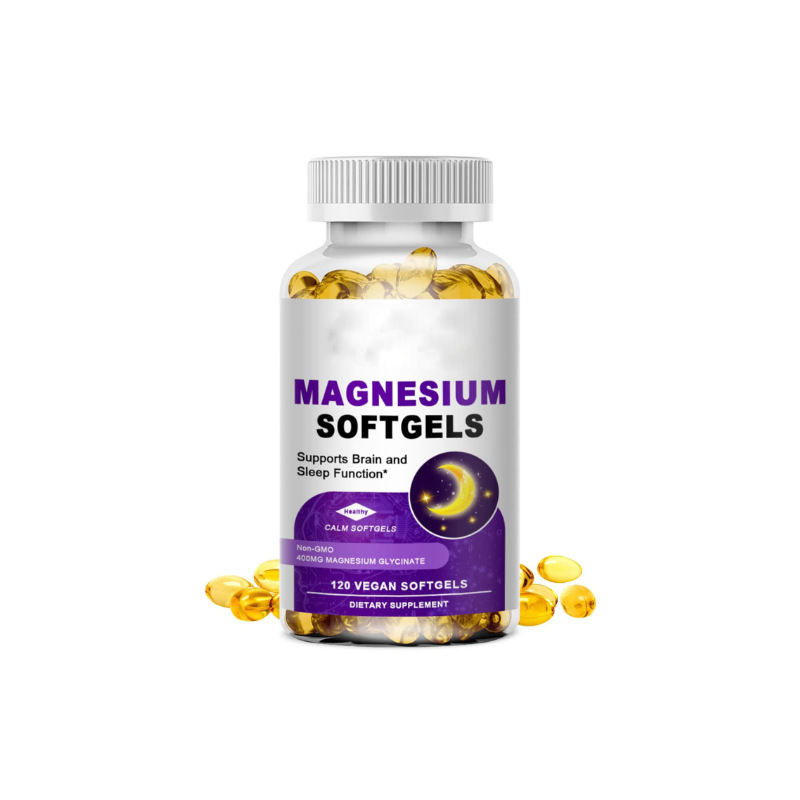
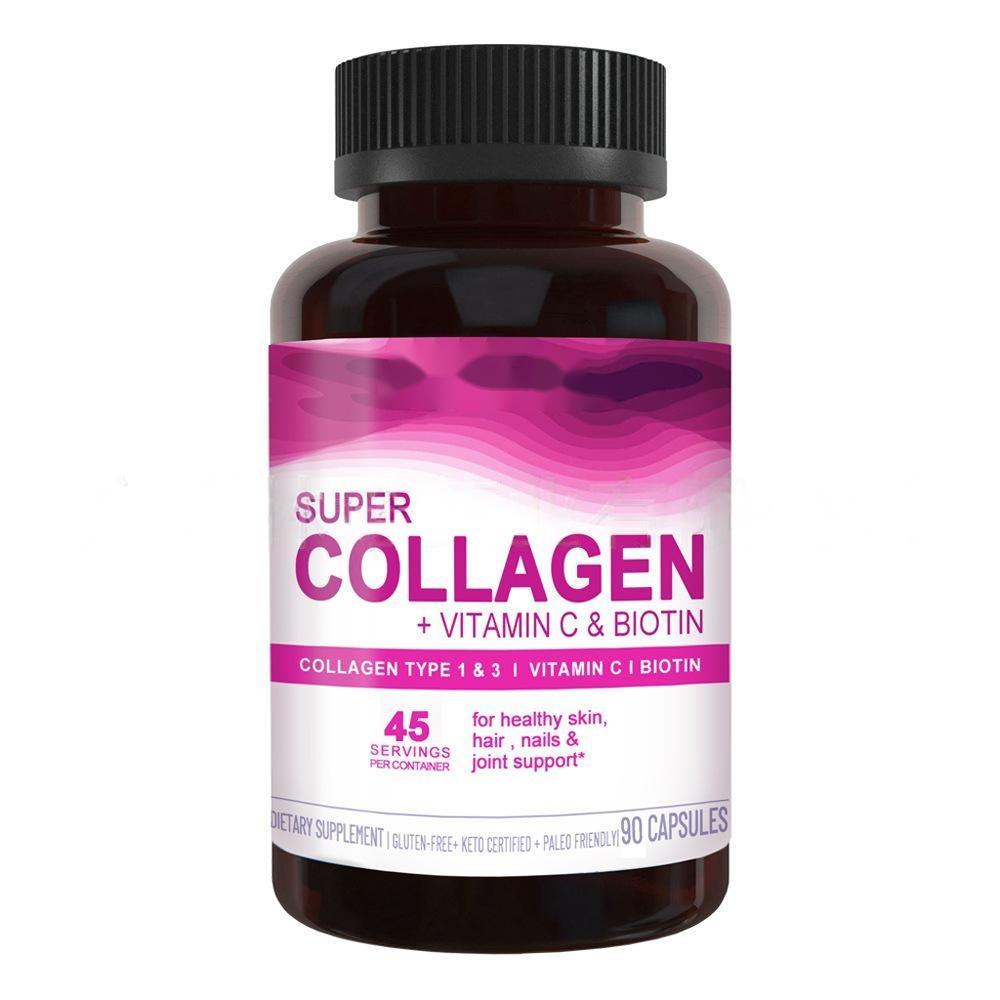
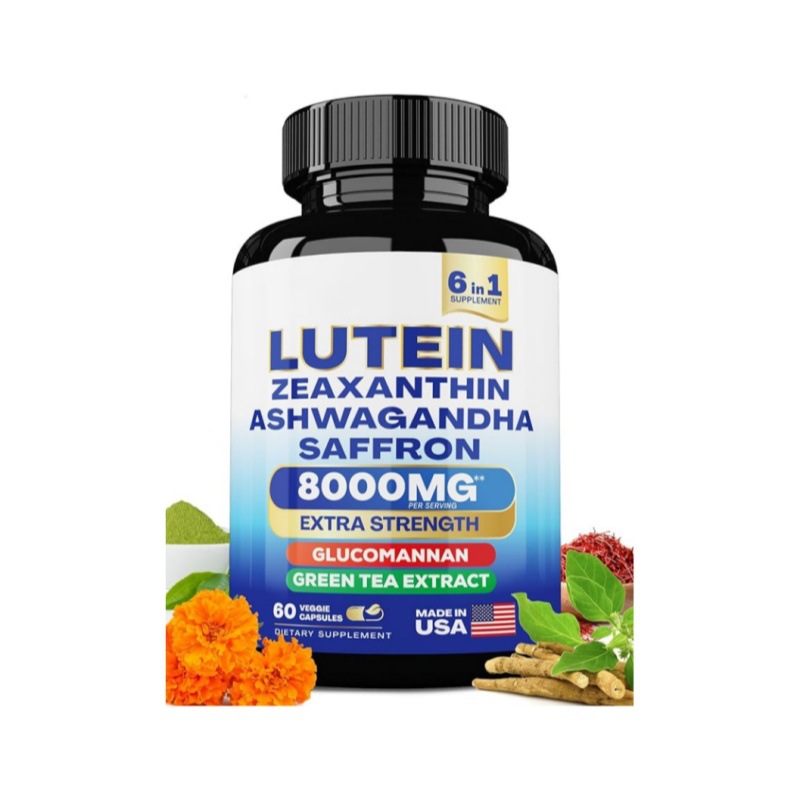
Product Description
We are professional Raw Material Manufacturer, with more than 10 years' experience.
Please contact us for more information and detailed quotation
Email: sales12@sgonekbio.com
Phone/WhatsApp/Wechat: +86 13572550462

AI Product Description
*The following content is generated by AI and is for reference only.
L-Proline, chemically designated as 2-pyrrolidinecarboxylic acid, is a unique cyclic secondary amino acid with the molecular formula C5H9NO2 and the CAS Registry Number 147-85-3. Unlike standard alpha-amino acids containing a primary amine group, L-proline features a secondary amine where the nitrogen atom is bonded to two carbon atoms within a five-membered pyrrolidine ring. This distinctive structural configuration imparts specific conformational constraints that are critical for protein folding, particularly in forming beta-turns and stabilizing collagen triple helices. Consequently, it is an essential component in biological systems, playing a vital role in connective tissue health, wound healing, and immune function support.
In industrial and pharmaceutical applications, L-proline serves as a versatile chiral building block and organocatalyst. Its ability to facilitate asymmetric synthesis has revolutionized organic chemistry, enabling the efficient production of complex drug molecules such as antivirals, antihypertensives, and anti-inflammatory agents without requiring expensive metal catalysts. As a non-toxic, biodegradable organocatalyst, it offers sustainable alternatives to traditional heavy-metal-based processes. In the food and beverage industry, it functions as a flavor enhancer and nutritional supplement, often found in sports nutrition products to aid muscle recovery and reduce fatigue. Furthermore, its hygroscopic nature makes it valuable in cosmetic formulations for skin hydration and barrier repair.
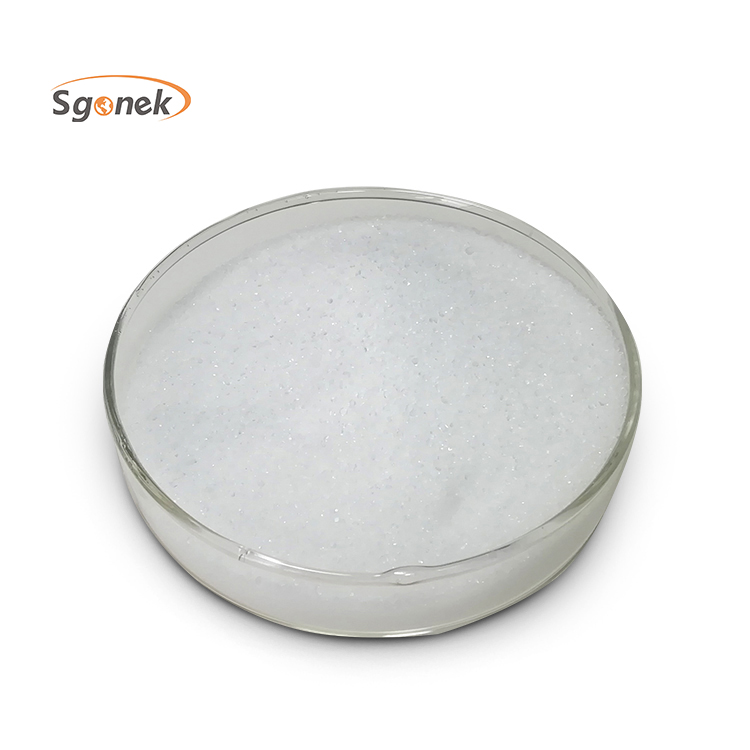
The compound exists primarily as a white to off-white crystalline powder, soluble in water and polar solvents but insoluble in non-polar organic solvents. It is widely available in high purity grades suitable for research, clinical trials, and large-scale manufacturing. Due to its stability under various pH conditions and temperature ranges, L-proline remains a cornerstone reagent in peptide synthesis and biochemical research. Its multifaceted utility spans from fundamental scientific inquiry to commercial product development, underscoring its significance as both a natural metabolite and a powerful synthetic tool in modern chemistry.







 (All Rights Reserved)