L-proline (not to be confused with Prolene) is a nonessential amino acid that is used in the production of collagen in the human body. L-proline amino acid makes up about 15% of collagen in the body.
Functions of proline include helping form collagen, regenerating cartilage, forming connective tissue, repairing skin damage and wounds, healing the gut lining, and repairing joints
*The following content is generated by AI and is for reference only.
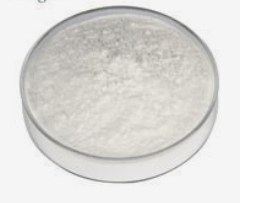
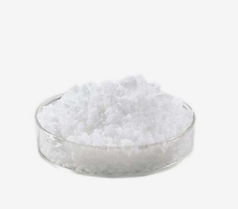
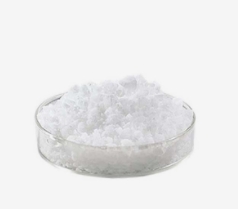
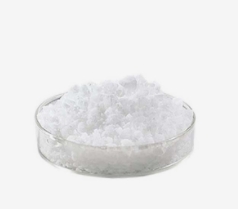
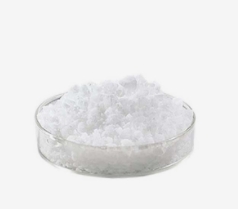
L-Proline, chemically known as (S)-2-pyrrolidinecarboxylic acid, is a unique cyclic secondary amino acid found naturally in proteins and various biological systems. With the molecular formula C5H9NO2 and a CAS number of 147-85-3, this white crystalline powder exhibits distinct physicochemical properties that set it apart from standard linear amino acids. Its structure features a five-membered pyrrolidine ring, which imposes conformational rigidity, making it a crucial component in protein folding and stability, particularly in collagen synthesis where it constitutes nearly one-third of the total amino acid content.
In the pharmaceutical industry, L-Proline serves as a vital building block for synthesizing bioactive compounds, including antihypertensive drugs like ACE inhibitors and antiviral agents. Beyond its role as a natural metabolite, it has gained significant prominence in organic chemistry as a versatile organocatalyst. Due to its ability to form enamine and iminium intermediates, L-Proline facilitates asymmetric aldol reactions, Mannich reactions, and Michael additions with high stereoselectivity, offering an environmentally friendly alternative to heavy metal catalysts. This "green chemistry" application has revolutionized the synthesis of complex chiral molecules used in drug development.
Furthermore, L-Proline finds extensive applications in the food and feed industries as a nutritional supplement and flavor enhancer. It acts as a precursor for glutamic acid, contributing to umami taste profiles in processed foods. In agriculture, it helps plants mitigate abiotic stress by regulating osmotic pressure and scavenging reactive oxygen species during drought or salinity conditions. The compound is generally recognized as safe (GRAS) by regulatory bodies when used within specified limits. Available in high purity grades suitable for both laboratory research and industrial manufacturing, L-Proline remains a cornerstone molecule bridging biological function and synthetic utility. Its multifaceted nature ensures continued relevance across biotechnology, materials science, and clinical therapeutics, driving innovation in sustainable chemical processes and advanced medicinal formulations worldwide.


![6-broMo-2-chloro-8-cyclopentyl-5-Methylpyrido[2,3-d]pyriMidin-7(8H)-one](https://eimg.pharmasources.com/image/20250617/4zoOybJjzUTk0UgguabMkX7VnrDIlxHluERwqkjK.jpg)




 (All Rights Reserved)