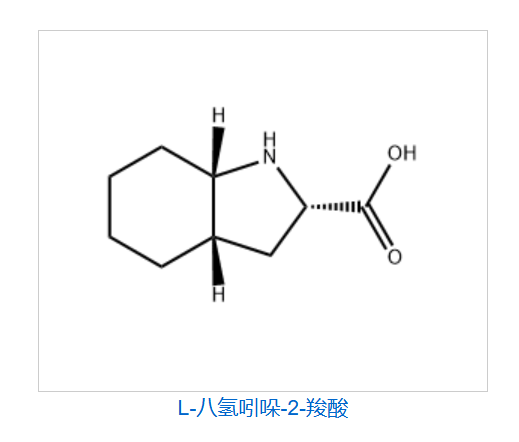
L-八氢吲哚-2-羧酸化学性质熔点:275-277°C沸点:318.6±25.0°C(Predicted)密度:1.135±0.06g/cm3(Predicted)储存条件:Keepindarkplace,Sealedindry,RoomTemperature溶解度:Methanol(Sparingly),Water(Slightly)酸度系数(pKa):2.4Chemicalbook7±0.20(Predicted)颜色:WhitetoOff-WhitePH值:-50(c=1inmethanol)水溶解性:Solubleinmethanolandwater.InChIKey:CQYBNXGHMBNGCG-FXQIFTODSA-NLogP:0.3at25℃andpH5CAS数据库:80875-98-5(CASDataBaseReference)
*The following content is generated by AI and is for reference only.
L-Octahydroindole-2-carboxylic acid is a specialized chiral building block widely utilized in the fields of medicinal chemistry and organic synthesis. With the molecular formula C8H13NO2 and a precise CAS registry number of 136945-78-3, this compound serves as a crucial precursor for the construction of complex heterocyclic structures. Structurally, it represents the saturated analog of proline, featuring a rigid bicyclic framework that imparts significant conformational rigidity to molecules derived from it. This unique structural characteristic makes it highly valuable for designing peptidomimetics, where controlling the three-dimensional geometry of peptide backbones is essential for enhancing biological activity and metabolic stability.
In pharmaceutical research, L-Octahydroindole-2-carboxylic acid is frequently employed to synthesize potent inhibitors targeting various enzymatic pathways, including proteases and kinases involved in cancer progression and viral replication. Its ability to mimic natural amino acids while offering superior resistance to enzymatic degradation allows drug developers to create more effective therapeutic agents with reduced side effects. Furthermore, the compound plays a pivotal role in the development of novel agrochemicals, contributing to the creation of herbicides and fungicides with improved selectivity and environmental profiles. The availability of this high-purity enantiomer ensures stereochemical consistency, which is critical for regulatory compliance and efficacy in drug discovery pipelines.
Manufacturers typically supply this reagent in racemic or pure L-form depending on specific application requirements, often accompanied by detailed analytical certificates confirming purity levels exceeding 98%. Researchers utilize standard coupling reagents to incorporate this moiety into larger molecular architectures via amide bond formation. As the demand for sophisticated small-molecule therapeutics grows, L-Octahydroindole-2-carboxylic acid remains an indispensable tool for chemists aiming to innovate in drug design. Its versatility extends beyond simple substitution, enabling the exploration of new chemical space for next-generation medicines. Consequently, this compound stands as a cornerstone in modern synthetic strategy, bridging the gap between fundamental organic chemistry and practical clinical applications across diverse therapeutic areas.


![8,16-Diazadispiro[6.1.6.2]heptadecan-17-one](https://eimg.pharmasources.com/image/product/20250403/ca91cba8b87e53fc879f8d8764873a40jpg)
![8-Oxa-1,3-diazaspiro[4.5]decane-2,4-dione](https://eimg.pharmasources.com/image/product/20250403/60fa7223d5a34f24138486ceea0ffb15jpg)
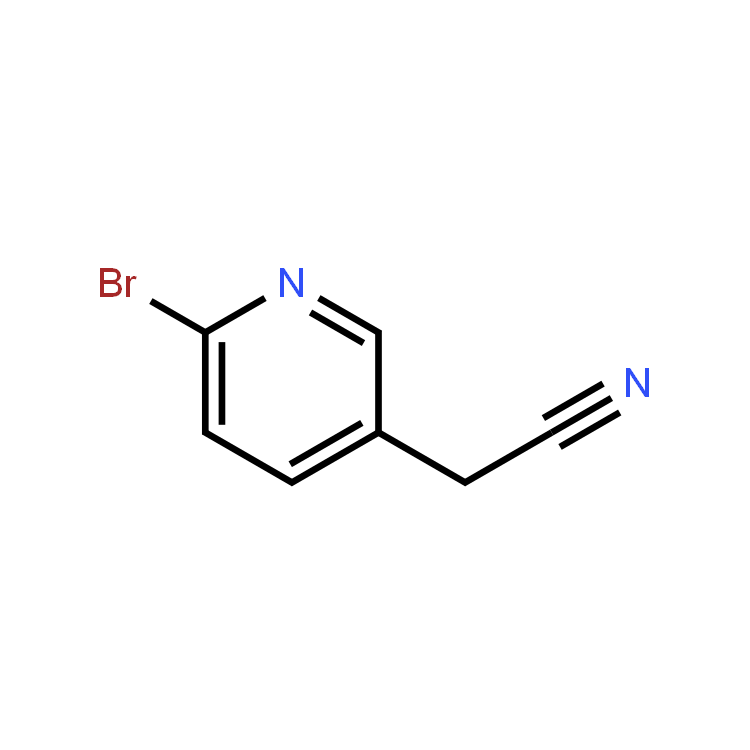
![6,8-Dioxo-5,7-diazaspiro[3.4]octane-2-carboxylic acid](https://eimg.pharmasources.com/image/product/20250403/02effeb5a7639bc84ff1f3add3c0c64fjpg)



 (All Rights Reserved)