Product Description
Purity(HPLC)
≥95.0%
Solubility
Free soluble in water and andpractically insoluble in ethanol
Optical Rotation
-92°~ -106°
Heavy Metals
≤10ppm
Fe
≤20ppm
Pb
≤10ppm
GSH(HPLC)
≤0.5%
Loss on Drying
≤8%
Residue on ignition
≤0.5%
Appearance
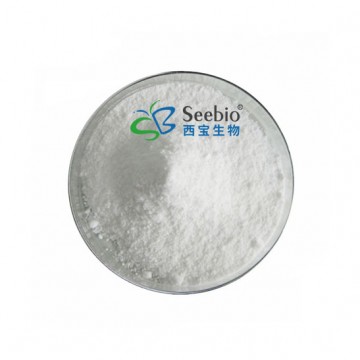
White crystalline powder
AI Product Description
*The following content is generated by AI and is for reference only.
L-Glutathione Oxidized, commonly known as GSSG (CAS No. 27025-41-8), is a critical disulfide-linked dimer of the tripeptide glutathione. Its molecular formula is C₂₀H₃₂N₆O₁₂S₂, representing the oxidized form where two reduced glutathione molecules are connected via a disulfide bond between their cysteine residues. This compound appears as a white to off-white crystalline powder and is highly soluble in water, making it an essential reagent for biochemical research and industrial applications.
In scientific laboratories, GSSG serves as a fundamental standard for studying redox homeostasis and cellular oxidative stress. It is frequently used to investigate the glutathione redox cycle, which is vital for maintaining the intracellular environment by neutralizing reactive oxygen species (ROS). Researchers utilize this powder to calibrate enzymatic assays, such as those measuring glutathione reductase activity, and to model conditions of oxidative damage in cell cultures or tissue samples. By comparing GSSG levels against reduced glutathione (GSH), scientists can calculate the GSH/GSSG ratio, a key indicator of cellular health and metabolic status.
Beyond academic research, L-Glutathione Oxidized finds utility in pharmaceutical development and cosmetic formulations. In drug discovery, it helps evaluate the stability of compounds under oxidative conditions and assesses potential toxicity mechanisms related to mitochondrial dysfunction. In the cosmetics industry, while reduced glutathione is more common for skin brightening, the oxidized form plays a role in understanding antioxidant pathways and formulation stability. Furthermore, it is employed in food science to study preservation techniques and the impact of oxidation on food quality.
The purity of commercial GSSG powder typically exceeds 98%, ensuring reliability in sensitive experiments. Proper storage in a cool, dry place away from light is recommended to prevent degradation. As a cornerstone molecule in redox biology, L-Glutathione Oxidized remains indispensable for advancing our understanding of cellular defense mechanisms, disease progression, and therapeutic interventions targeting oxidative stress-related pathologies.





 (All Rights Reserved)