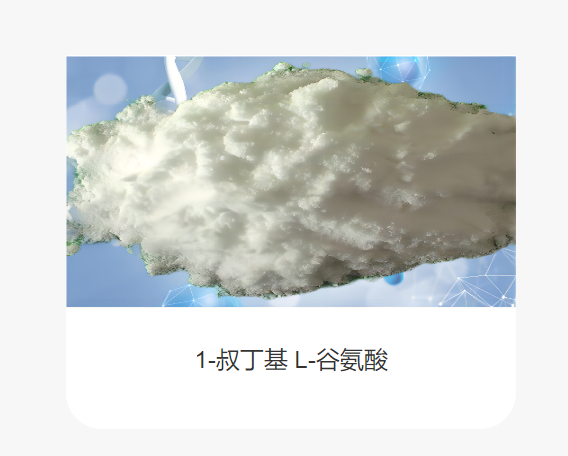
熔点:140°C沸点:326.8±32.0°C(Predicted)密度:1.133±0.06g/cm3(Predicted)折射率:14°(C=1,H2O)储存条件:Keepindarkplace,Sealedindry,2-8°C溶解度:DMSO(Slightly),Methanol(Slightly),Water(Sparingly,Sonicated)酸度系数(pKa):4.22±0.10(PredictChemicalbooked)形态:Powder颜色:WhiteInChI:InChI=1S/C9H17NO4/c1-9(2,3)14-8(13)6(10)4-5-7(11)12/h6H,4-5,10H2,1-3H3,(H,11,12)/t6-/m0/s1InChIKey:QVAQMUAKTNUNLN-LURJTMIESA-NSMILES:C(OC(C)(C)C)(=O)[C@H](CCC(O)=O)NCAS数据库:45120-30-7
*The following content is generated by AI and is for reference only.
L-Glutamic acid α-tert-butyl ester is a specialized organic compound widely utilized in the field of peptide synthesis and medicinal chemistry. Its molecular formula is C9H17NO4, with a corresponding CAS registry number of 23568-04-9. This molecule serves as a critical building block for the protection of the alpha-carboxyl group of L-glutamic acid during complex multi-step synthetic procedures. The presence of the tert-butyl ester moiety provides robust stability against acidic conditions while remaining susceptible to cleavage under mild acidic environments, making it an ideal protecting group strategy for solid-phase peptide synthesis (SPPS) and solution-phase coupling reactions.
In pharmaceutical research, this reagent plays a pivotal role in constructing bioactive peptides, particularly those containing glutamic acid residues which are essential for various biological functions. By preventing unwanted side reactions at the alpha-position, chemists can selectively manipulate other functional groups within the molecule, ensuring high purity and stereochemical integrity of the final product. The compound is frequently employed in the development of novel drugs targeting neurological disorders, cardiovascular diseases, and metabolic syndromes where specific peptide sequences are required. Furthermore, its utility extends to the synthesis of peptidomimetics and protease inhibitors used in biochemical assays to study enzyme mechanisms.
The physical properties of L-Glutamic acid α-tert-butyl ester typically include a white crystalline solid form, which is soluble in common organic solvents such as dichloromethane, ethyl acetate, and methanol, though it remains insoluble in water. Proper storage requires keeping the material in a cool, dry place away from moisture and strong acids to maintain its stability. Safety data indicates that while generally stable, it should be handled with standard laboratory precautions to avoid inhalation or skin contact. As a versatile intermediate, this compound bridges fundamental organic chemistry with advanced therapeutic applications, facilitating the efficient production of complex macromolecules. Its availability from major chemical suppliers ensures accessibility for both academic laboratories and industrial manufacturing processes aiming to advance drug discovery pipelines through precise molecular engineering.


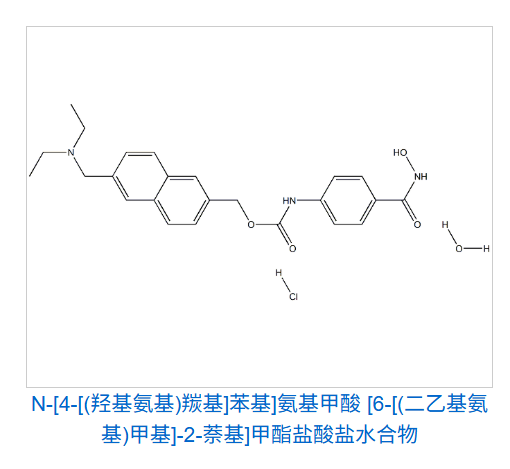
![8-Oxa-1,3-diazaspiro[4.5]decane-2,4-dione](https://eimg.pharmasources.com/image/product/20250403/60fa7223d5a34f24138486ceea0ffb15jpg)
![6,8-Dioxo-5,7-diazaspiro[3.4]octane-2-carboxylic acid](https://eimg.pharmasources.com/image/product/20250403/02effeb5a7639bc84ff1f3add3c0c64fjpg)
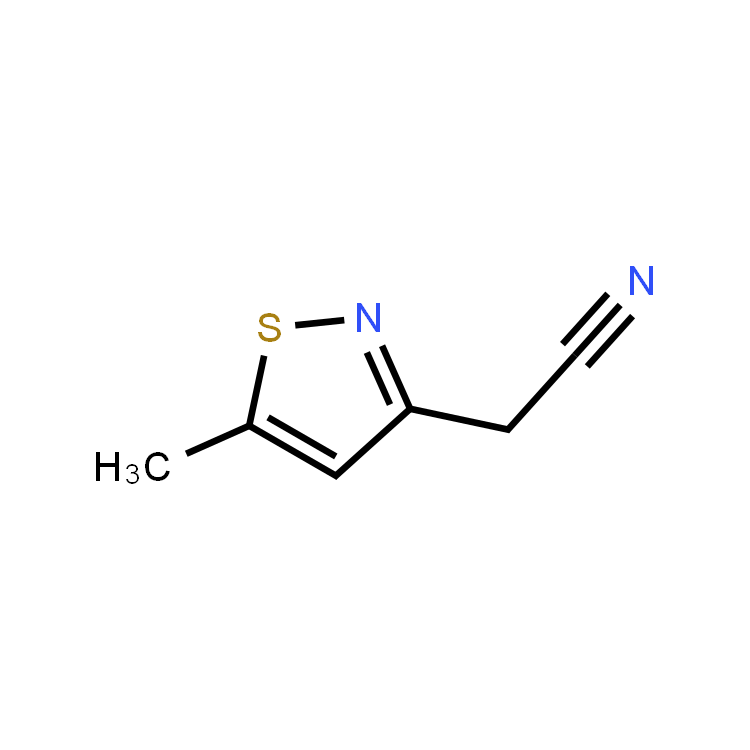
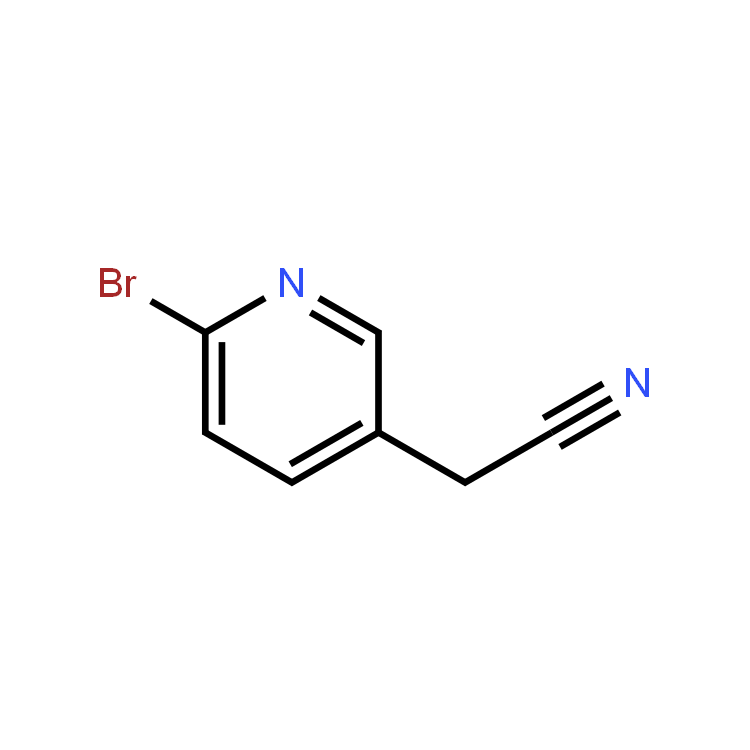
![8,16-Diazadispiro[6.1.6.2]heptadecan-17-one](https://eimg.pharmasources.com/image/product/20250403/ca91cba8b87e53fc879f8d8764873a40jpg)
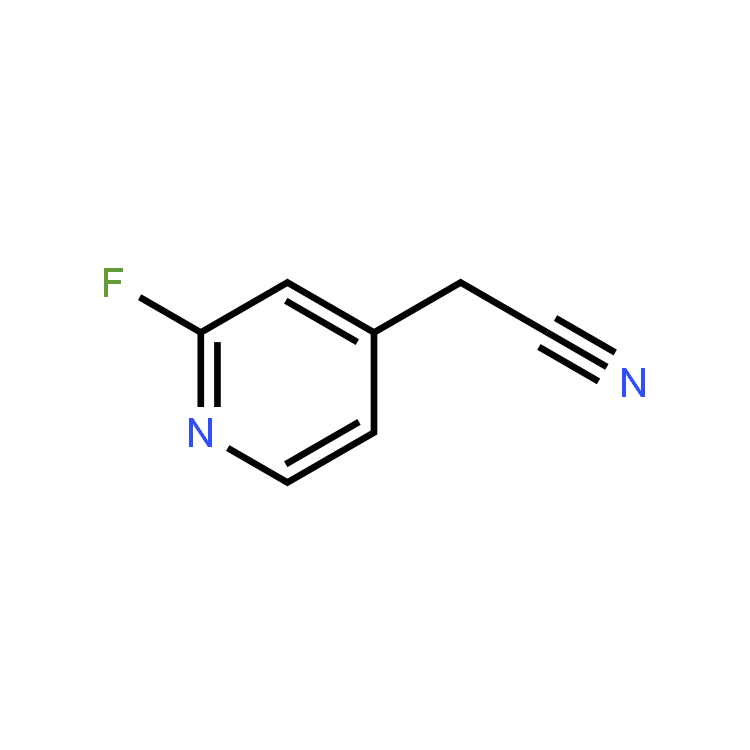



 (All Rights Reserved)