Product Description
We are professional Raw Material Manufacturer, with more than 10 years' experience.
Please contact us for more information and detailed quotation
Email: sales12@sgonekbio.com
Phone/WhatsApp/Wechat: +86 13572550462

AI Product Description
*The following content is generated by AI and is for reference only.
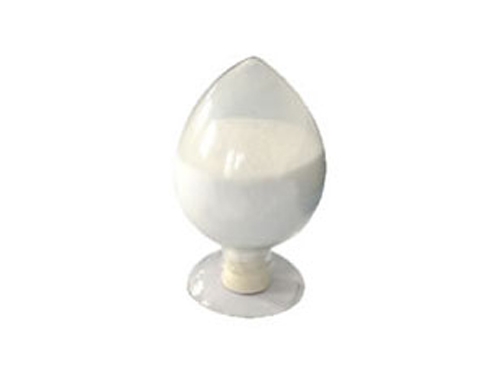
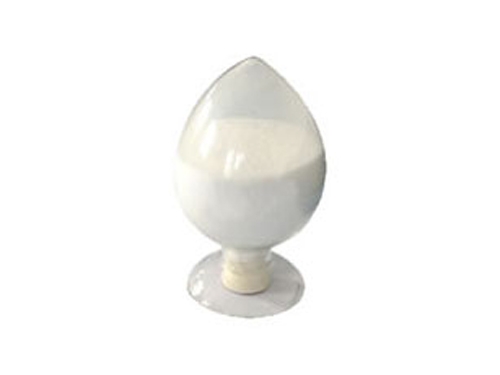
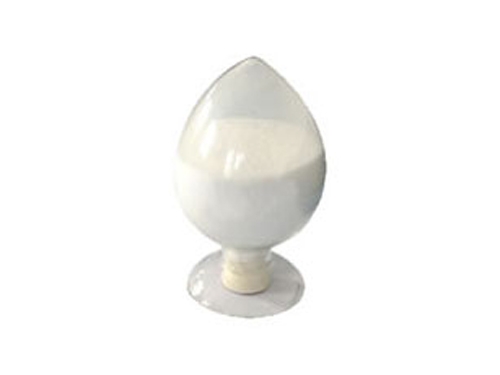
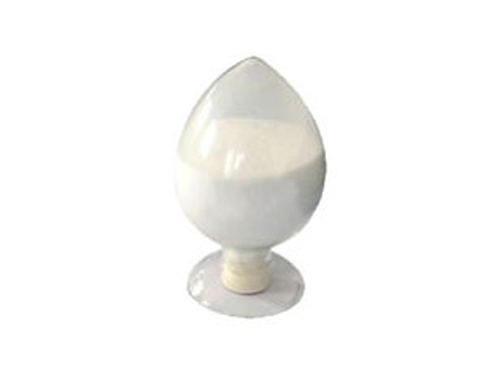
L-Cystine is a naturally occurring, non-essential amino acid derivative formed by the oxidation of two L-cysteine molecules linked via a disulfide bond. With the chemical formula C6H12N2O4S2 and CAS number 56-89-3, this white to off-white crystalline powder plays a pivotal role in biological systems and industrial applications. As a key structural component of proteins, particularly keratin found in hair, skin, and nails, L-cystine is essential for maintaining tissue integrity and elasticity. Its unique disulfide bridges provide significant stability to protein structures, making it indispensable for cellular function and antioxidant defense mechanisms within the human body.
In the pharmaceutical industry, L-cystine serves as a critical ingredient in various therapeutic formulations. It is widely utilized in the treatment of cystinosis, a rare genetic disorder characterized by the accumulation of cystine crystals in cells, and helps manage kidney stone formation associated with cystine metabolism. Furthermore, its mucolytic properties make it effective in respiratory therapies, aiding in the thinning of mucus to facilitate easier breathing in patients suffering from chronic bronchitis or other pulmonary conditions. The compound also supports liver health by promoting glutathione synthesis, a potent endogenous antioxidant that protects against oxidative stress and detoxification processes.
Beyond medicine, L-cystine finds extensive use in the cosmetics and personal care sectors. It is a popular additive in anti-aging creams, shampoos, and conditioners due to its ability to strengthen hair structure, improve skin hydration, and enhance overall texture. In the food and beverage industry, it acts as a nutritional supplement and dough conditioner, improving bread volume and texture while providing essential sulfur-containing amino acids to diets. Additionally, researchers utilize L-cystine in biotechnology for protein engineering and peptide synthesis, leveraging its specific bonding characteristics to design novel biomaterials. Despite its versatility, proper handling is required during manufacturing to ensure safety and efficacy across all applications.













 (All Rights Reserved)