Product Description
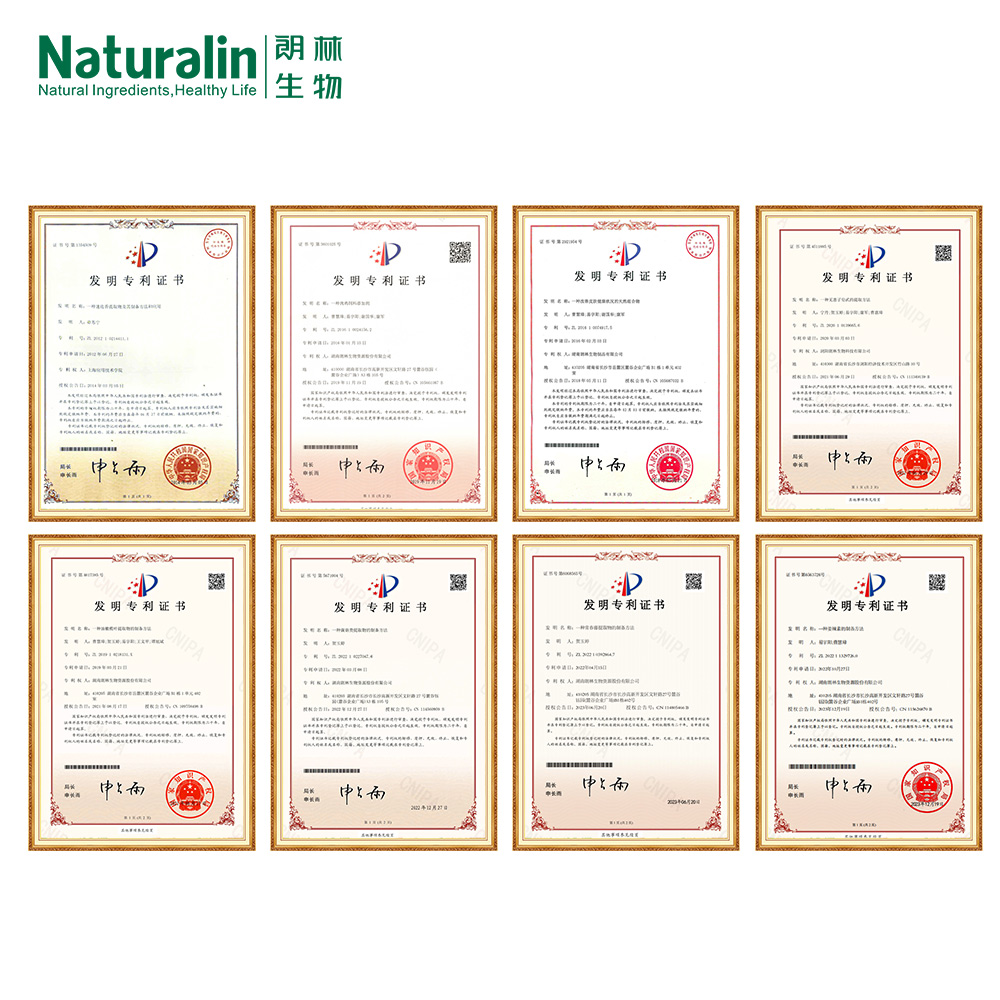
Founded in 2006, Naturalin is committed to the manufacturing, innovation, and sales of natural ingredients. Naturalin ingredients are widely used in various fields such as nutrition, food & beverage, personal care, animal nutrition ,etc. Website: www.naturalin.com E-mail: sales@naturalin.com
AI Product Description
*The following content is generated by AI and is for reference only.
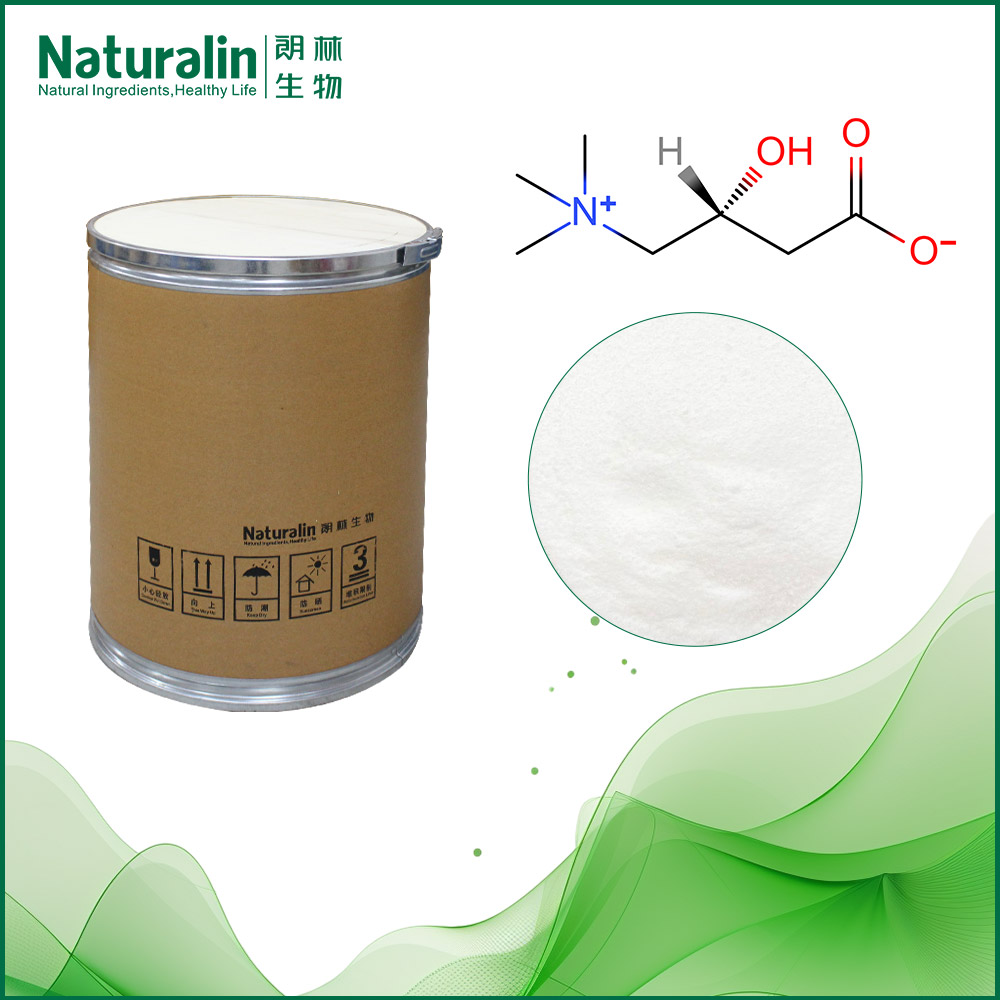
L-Carnitine, chemically known as (R)-3-hydroxy-4-(trimethylazaniumyl)butanoate, is a naturally occurring quaternary ammonium compound essential for energy metabolism. Its molecular formula is C7H15NO3, and it is uniquely identified by the CAS number 541-15-1. This compound plays a pivotal role in cellular physiology by facilitating the transport of long-chain fatty acids across the inner mitochondrial membrane, where they undergo beta-oxidation to generate adenosine triphosphate (ATP). Without adequate L-Carnitine levels, cells cannot efficiently utilize fat as a fuel source, potentially leading to metabolic inefficiencies and muscle weakness.
In the commercial and pharmaceutical sectors, L-Carnitine is widely utilized as a dietary supplement to support weight management and athletic performance. By enhancing fatty acid oxidation, it helps reduce body fat while preserving lean muscle mass during intense physical training or caloric restriction. Athletes often consume it to improve endurance, accelerate recovery times, and mitigate exercise-induced fatigue. Beyond sports nutrition, it serves critical therapeutic functions in clinical settings. It is frequently prescribed to treat primary or secondary carnitine deficiencies caused by genetic disorders, renal failure, or specific medications like valproic acid. Furthermore, emerging research suggests potential benefits for cardiovascular health, male fertility improvement, and cognitive function in aging populations, although further studies are needed to fully validate these applications.
The substance is available in various forms, including free L-carnitine, acetyl-L-carnitine (which crosses the blood-brain barrier more effectively), and propionyl-L-carnitine. Generally recognized as safe when taken within recommended dosages, side effects are rare but may include mild gastrointestinal discomfort or a fishy body odor at high doses. As a cornerstone of metabolic health, L-Carnitine remains a vital component in modern nutritional science and clinical interventions aimed at optimizing human energy production and overall well-being.




 (All Rights Reserved)