Product Description
熔点:166-1680C沸点:501.9±60.0°C(Predicted)密度:1.249±0.06g/cm3(Predicted)储存条件:2-8°C溶解度:DMSO:~26mg/mL形态:solid酸度系数(pKa):2.56±0.70(Predicted)颜色:yellowMerck:14,5240BCSClass:Chemicalbook2/4稳定性:Stablefor2yearsfromdateofpurchsaeassupplied.Protectfrommoisture.SolutionsinDMSOorethanolmaybestoredat-20°Cforupto3months.InChIKey:HMJIYCCIJYRONP-UHFFFAOYSA-N
AI Product Description
*The following content is generated by AI and is for reference only.
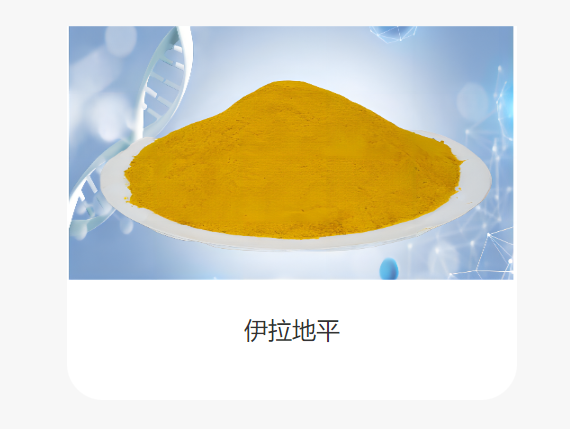
Isradipine is a third-generation dihydropyridine calcium channel blocker (CCB) primarily utilized in the management of hypertension and certain forms of angina. Chemically, its molecular formula is C21H25NO6, with a molecular weight of approximately 387.43 g/mol. The substance is uniquely identified by the CAS Registry Number 63069-39-6. Structurally, it features a 1,4-dihydropyridine core substituted with various ester and methoxy groups, which contributes to its high selectivity for L-type voltage-gated calcium channels in vascular smooth muscle cells.
The primary therapeutic application of Isradipine is the treatment of essential hypertension. By inhibiting the influx of calcium ions into vascular smooth muscle, it induces potent vasodilation, particularly in peripheral arteries, thereby reducing systemic vascular resistance and lowering blood pressure without significantly affecting cardiac contractility at therapeutic doses. This mechanism distinguishes it from non-dihydropyridine CCBs like verapamil or diltiazem, making it generally suitable for patients who require blood pressure control without adverse effects on heart rate. Additionally, it has been investigated for potential neuroprotective properties due to its ability to modulate calcium currents in neuronal tissues, though this remains an area of ongoing research rather than a standard clinical indication.
Pharmacokinetically, Isradipine exhibits rapid absorption following oral administration, reaching peak plasma concentrations within one to two hours. It undergoes extensive first-pass metabolism in the liver via cytochrome P450 enzymes, specifically CYP3A4, resulting in a relatively short half-life that necessitates twice-daily dosing for effective blood pressure control. Common side effects are consistent with the class of dihydropyridines and may include peripheral edema, flushing, headache, dizziness, and palpitations. Clinicians must exercise caution when prescribing Isradipine to patients with severe hepatic impairment or those taking strong CYP3A4 inhibitors, as these factors can alter drug levels and increase the risk of hypotension. Despite being superseded by newer agents with longer half-lives in some markets, Isradipine remains a valuable option in specific hypertensive regimens where its pharmacological profile offers distinct advantages.


![8-Oxa-1,3-diazaspiro[4.5]decane-2,4-dione](https://eimg.pharmasources.com/image/product/20250403/60fa7223d5a34f24138486ceea0ffb15jpg)
![6,8-Dioxo-5,7-diazaspiro[3.4]octane-2-carboxylic acid](https://eimg.pharmasources.com/image/product/20250403/02effeb5a7639bc84ff1f3add3c0c64fjpg)
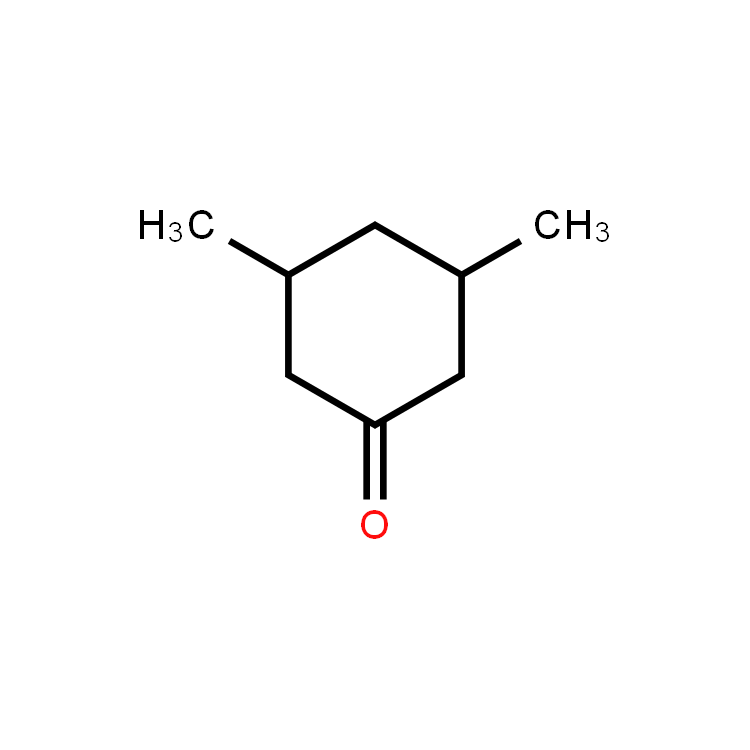
![8,16-Diazadispiro[6.1.6.2]heptadecan-17-one](https://eimg.pharmasources.com/image/product/20250403/ca91cba8b87e53fc879f8d8764873a40jpg)



 (All Rights Reserved)