Product Description
please call me ,to know more
AI Product Description
*The following content is generated by AI and is for reference only.
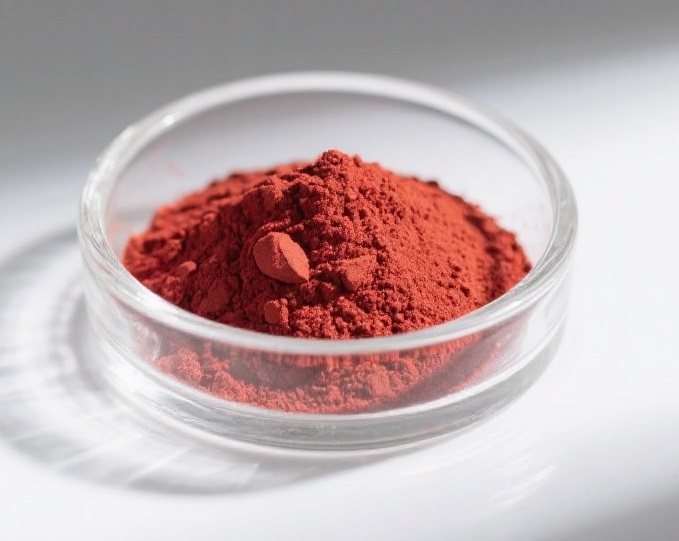
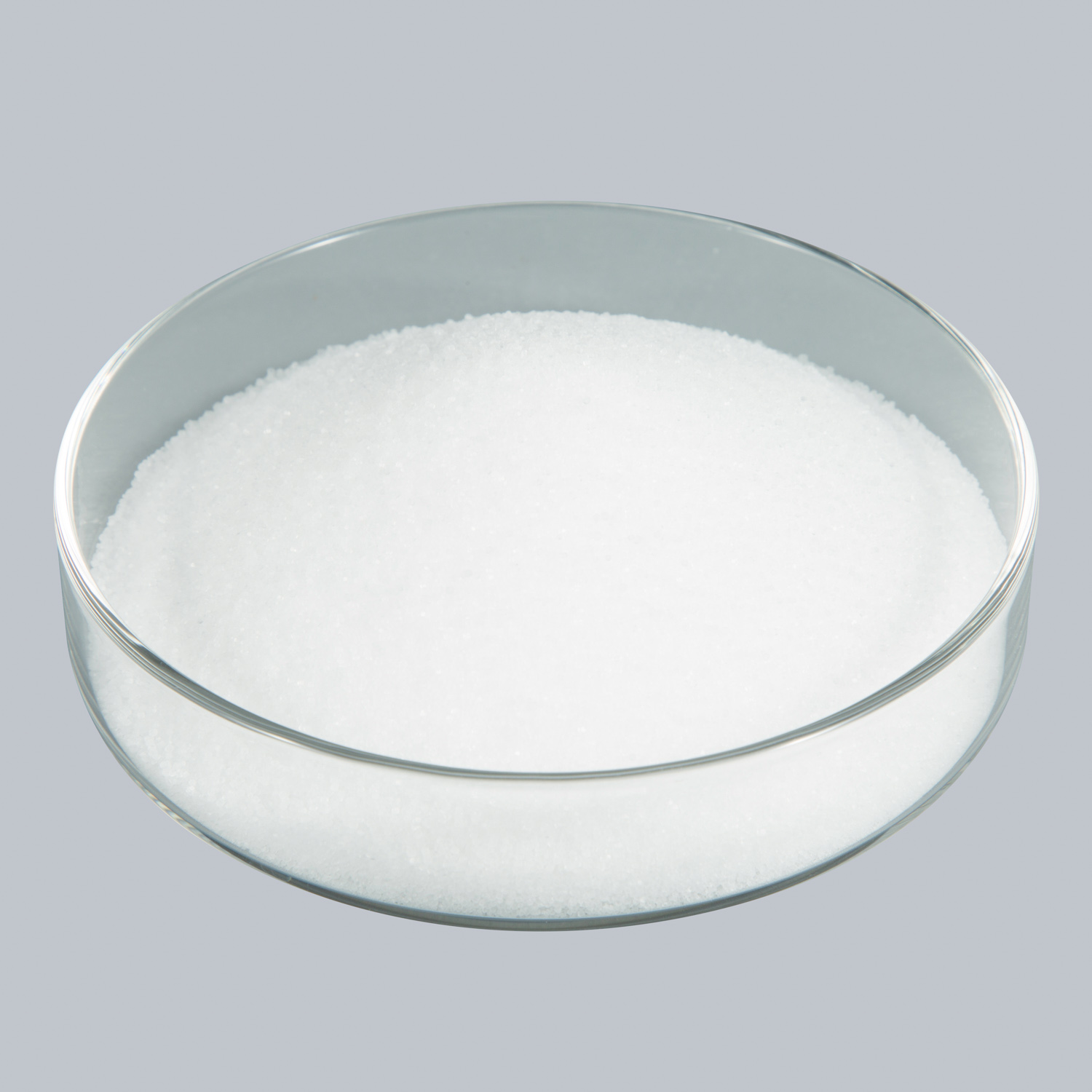
Isosilybin, also known as isosilibinin, is a bioactive flavonolignan primarily derived from the milk thistle plant (*Silybum marianum*). It serves as a stereoisomer of silybin, the most abundant and pharmacologically significant component within the silymarin complex. The molecular formula of Isosilybin is C₂₅H₂₂O₁₀, with a molecular weight of approximately 482.43 g/mol. Its Chemical Abstracts Service (CAS) number is 6059-61-8. This compound exists naturally in trace amounts but can be isolated or synthesized to achieve higher purity for pharmaceutical and research applications.
The primary utility of Isosilybin lies in its potent hepatoprotective properties. Extensive scientific research highlights its ability to protect liver cells from damage induced by toxins such as carbon tetrachloride, alcohol, and various drugs. Mechanistically, it functions through multiple pathways: it acts as a powerful antioxidant by scavenging free radicals and boosting endogenous glutathione levels; it stabilizes cell membranes to prevent toxin entry; and it stimulates protein synthesis to accelerate liver tissue regeneration. Furthermore, Isosilybin exhibits anti-inflammatory effects by inhibiting pro-inflammatory cytokines and may possess anti-fibrotic properties that slow the progression of liver scarring.
Beyond liver health, emerging studies suggest potential benefits for metabolic disorders, including insulin resistance and dyslipidemia, due to its ability to modulate lipid metabolism. In the nutraceutical industry, it is increasingly incorporated into dietary supplements aimed at supporting detoxification processes and maintaining optimal hepatic function. While silybin remains the dominant commercial ingredient, Isosilybin offers a unique structural profile that may provide distinct pharmacokinetic advantages or synergistic effects when combined with other silymarin components. Its high solubility issues are often addressed through advanced delivery systems like phytosomes to enhance bioavailability. As research continues, Isosilybin represents a promising candidate for developing targeted therapies for chronic liver diseases and oxidative stress-related conditions, distinguishing itself as a valuable asset in modern phytotherapy and clinical nutrition.





 (All Rights Reserved)