Product Description
please call me ,to know more
AI Product Description
*The following content is generated by AI and is for reference only.
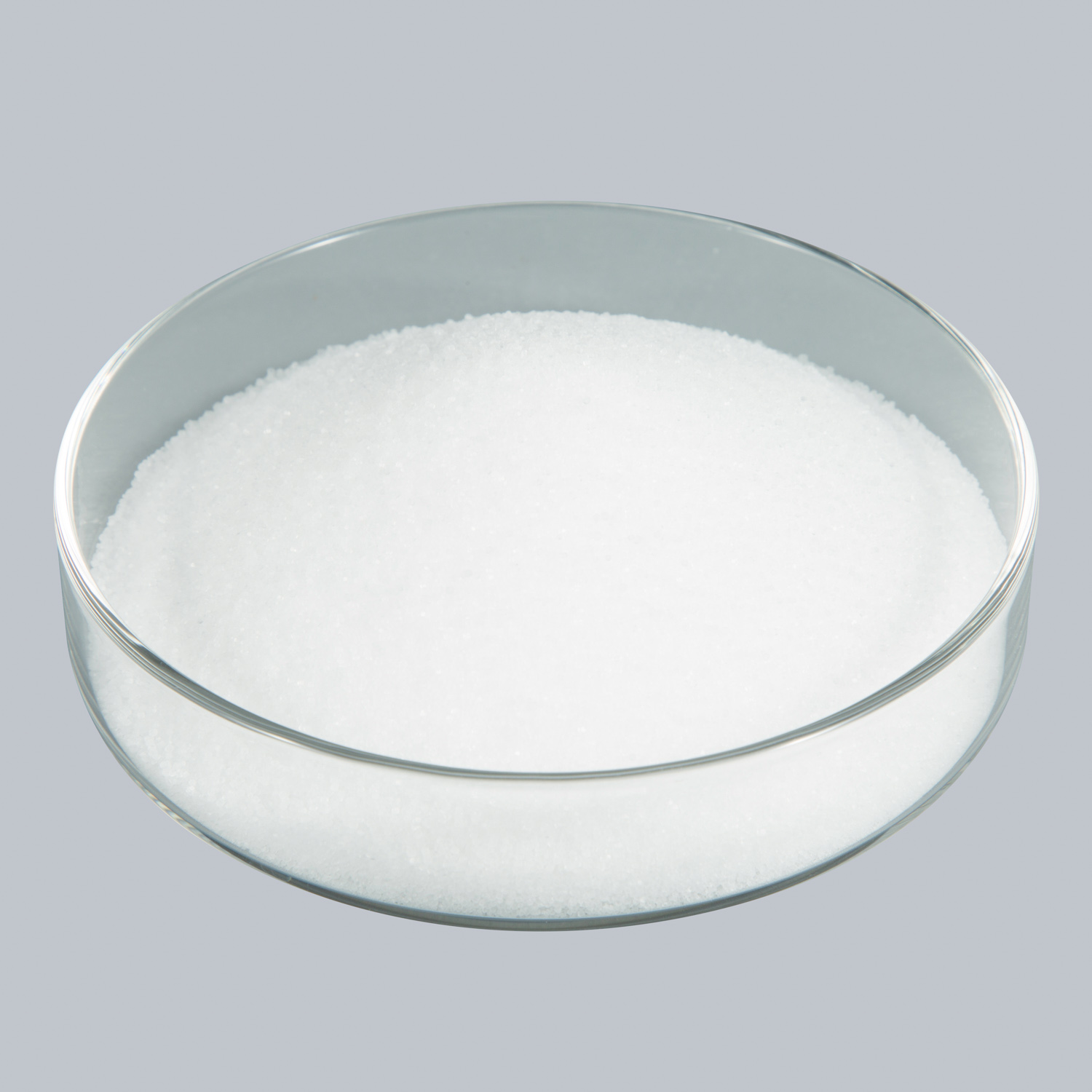
Isoquercitrin, chemically known as quercetin-3-O-beta-D-glucopyranoside, is a naturally occurring flavonoid glycoside widely recognized for its potent antioxidant and anti-inflammatory properties. With the molecular formula C₂₁H₂₀O₁₂ and a CAS registry number of 482-36-0, this compound represents a key metabolite derived from the hydrolysis of quercetin or extraction from various plant sources such as elderflower, passion flower, and certain herbs like *Equisetum arvense*. Structurally, it consists of the aglycone quercetin linked to a glucose molecule at the third position, which significantly enhances its water solubility compared to its parent compound, thereby improving bioavailability in biological systems.
The primary applications of Isoquercitrin span across the pharmaceutical, nutraceutical, and cosmetic industries. In healthcare, it is extensively studied for its ability to scavenge free radicals, reduce oxidative stress, and modulate inflammatory pathways, making it a promising candidate for managing chronic conditions like cardiovascular diseases, diabetes, and neurodegenerative disorders. Its capacity to inhibit lipid peroxidation further supports its role in protecting cellular integrity against age-related damage. In the food and beverage sector, it serves as a natural colorant and functional ingredient aimed at boosting the health profile of supplements and fortified products without synthetic additives. Furthermore, within the cosmetics field, Isoquercitrin is valued for its skin-protective effects, helping to mitigate UV-induced damage, promote collagen synthesis, and maintain skin elasticity due to its robust radical-scavenging activity.
Manufacturers often utilize advanced extraction techniques to isolate high-purity Isoquercitrin from botanical raw materials to ensure efficacy and safety standards. As research continues to uncover its therapeutic potential, particularly regarding metabolic regulation and immune support, this flavonoid stands out as a versatile bioactive agent. Its unique structural characteristics allow it to interact effectively with various enzymes and receptors, offering a broad spectrum of biological benefits that align with the growing global demand for natural, plant-based solutions in modern wellness strategies.






 (All Rights Reserved)