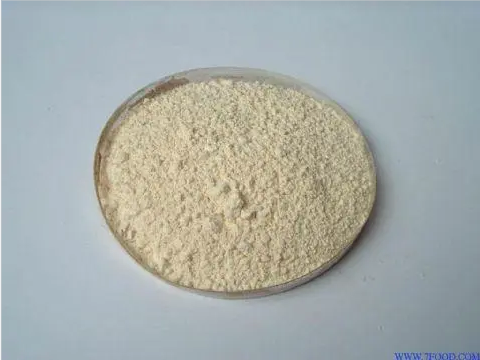
Product Description
please call me ,to know more
AI Product Description
*The following content is generated by AI and is for reference only.
Isoescin IB, also known as Escin Ib or Isoescin B, is a naturally occurring triterpenoid saponin primarily isolated from the seeds of Aesculus hippocastanum (horse chestnut). This bioactive compound represents one of the key active constituents responsible for the therapeutic efficacy of horse chestnut extracts. Structurally, it belongs to the oleanane-type saponins and features a complex glycosidic structure where the aglycone escigenin is linked to sugar moieties, specifically glucose and galactose units. The molecular formula of Isoescin IB is typically C42H68O13, with a molecular weight of approximately 792.97 g/mol. While specific CAS registry numbers can vary slightly depending on the exact stereochemical configuration and purification method, it is often associated with the broader family of aescin components which are cataloged under various identifiers in chemical databases.
The primary application of Isoescin IB lies in the pharmaceutical and nutraceutical industries, particularly in the management of venous disorders. It is widely utilized to treat chronic venous insufficiency (CVI), varicose veins, and symptoms such as leg heaviness, pain, and edema. The mechanism of action involves strengthening capillary walls, reducing vascular permeability, and exerting potent anti-inflammatory effects by inhibiting enzymes like hyaluronidase and phospholipase A2. Furthermore, Isoescin IB demonstrates significant antioxidant properties, helping to neutralize free radicals that contribute to oxidative stress in damaged tissues. Due to these multifaceted biological activities, it is frequently incorporated into topical creams, oral capsules, and intravenous formulations used globally for circulatory support. Beyond clinical treatments, research continues to explore its potential in oncology and dermatology due to its ability to modulate inflammatory pathways and protect endothelial cells. As a natural product, it offers a safer alternative profile compared to synthetic drugs, though standardization of dosage remains critical for therapeutic consistency. Its role in improving microcirculation makes it an indispensable ingredient in modern phytomedicine for cardiovascular health maintenance.






 (All Rights Reserved)