Product Description
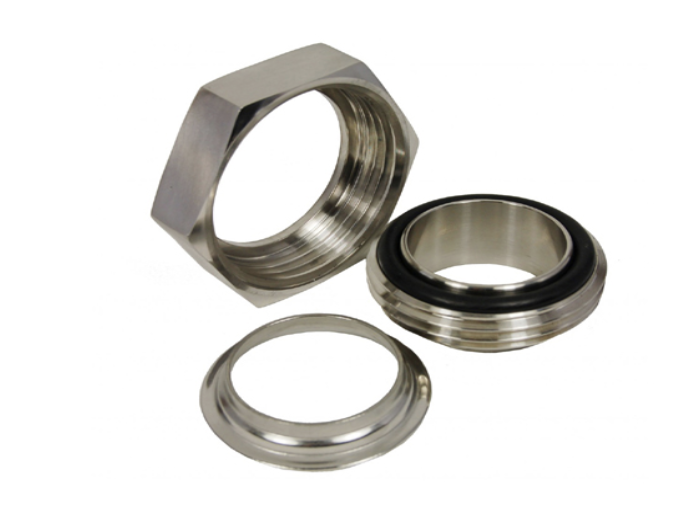
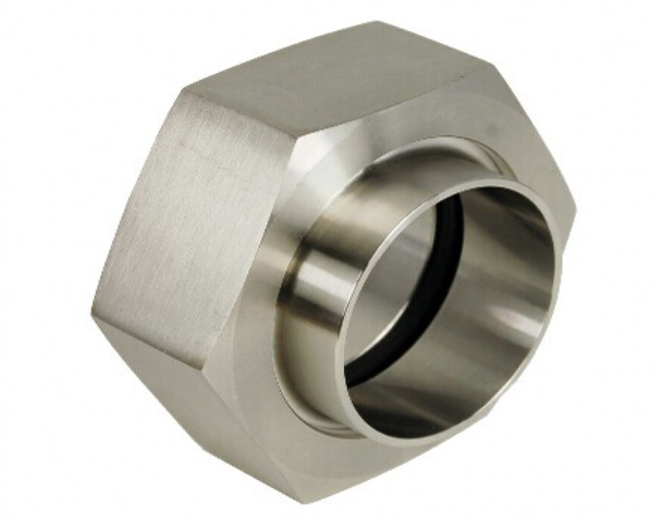
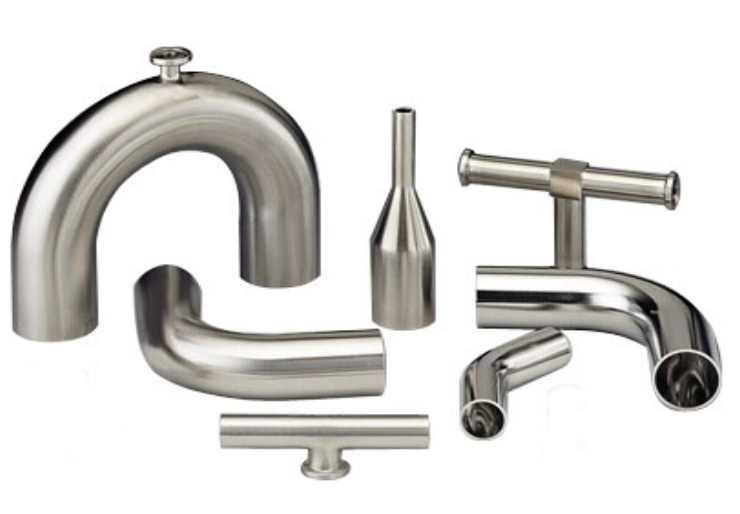
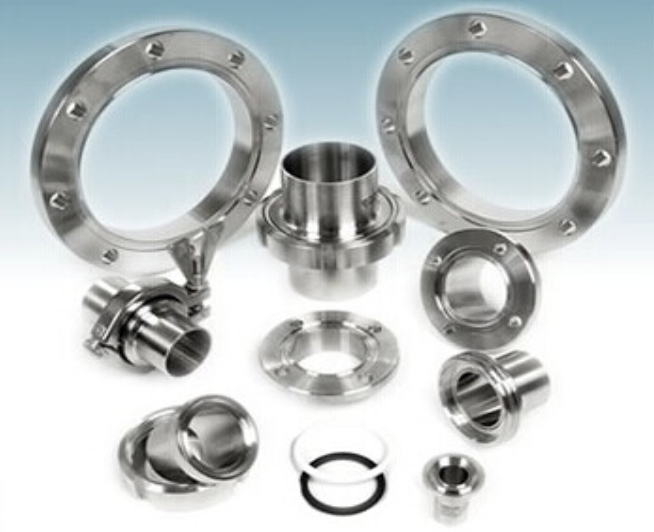
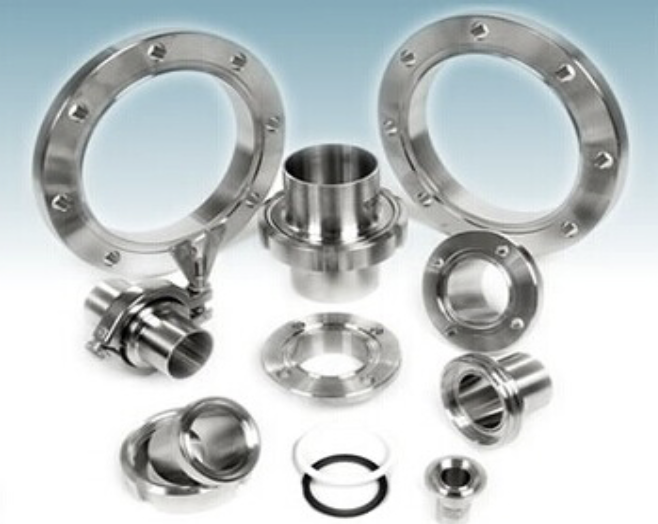
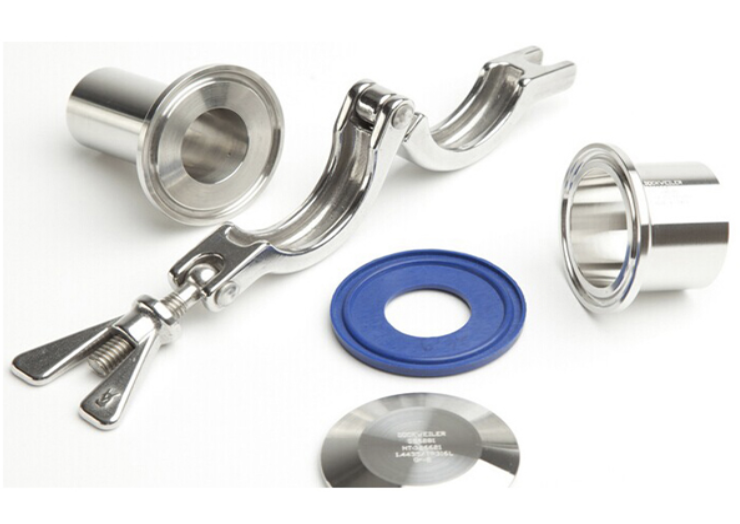
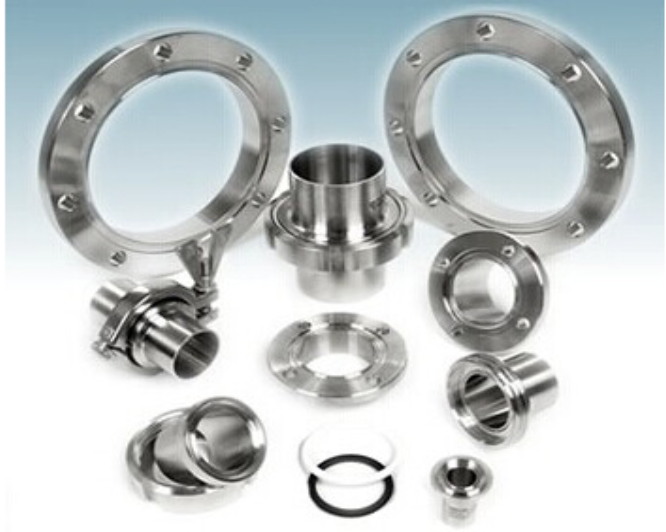
Shanghai Ansha supply DIN11864 standard aseptik adapting fitting which maunfactured by cold press from welding pipe. The roughness of surface can meet different requirement, The EN 10204 3.1B certificate can be provided for all metallic material.
Standard: DIN11864-1、DIN11864-2、DIN11864-3
Size: ISO13.5-ISO114.3
Material: 304、304L、316、316L
Surface Preparation: Ra≤0.8、Ra≤0.4、Ra≤0.2(Polishing)
AI Product Description
*The following content is generated by AI and is for reference only.
An **ISO Aseptik Adapting Fitting** (often referred to as an **ISO 2852** or **DIN 11851/11864 adapting fitting**) is a specialized component used in the food, beverage, dairy, and pharmaceutical industries. Its primary function is to connect piping systems that use different thread standards while maintaining a sterile, leak-proof seal.
Here is a detailed breakdown of its purpose, design, and applications:
### 1. Primary Function
The core purpose of this fitting is **conversion**. In many industrial plants, older equipment might use specific thread standards (like BSPP or NPT), while new processing lines or CIP (Clean-in-Place) systems utilize the international **ISO 2852** standard for aseptic connections. The adapting fitting allows these two different systems to be joined without compromising hygiene or pressure integrity.
### 2. Key Design Features
* **Thread Standards**: One end typically features an **ISO 2852** thread (the "Aseptik" standard, which is essentially the metric version of the Tri-Clamp or sanitary thread), while the other end adapts to a different standard (e.g., **BSPP**, **NPT**, **BSP**, or another ISO variant).
* **Material**: These fittings are almost exclusively manufactured from **316L Stainless Steel**. This material is chosen for its corrosion resistance, ability to withstand high temperatures during sterilization, and compliance with FDA/EU regulations for food contact.
* **Surface Finish**: The internal surface usually has a very low roughness average ($R_a < 0.8 mu m$) to prevent bacterial adhesion and ensure effective cleaning.
* **Sealing Mechanism**: Unlike standard pipe threads that rely on tape or paste, aseptic fittings often use an **O-ring** or a gasketed face seal to create a hermetic barrier against contamination and leakage under pressure.
### 3. Common Applications
* **Biopharmaceuticals**: Connecting bioreactors, filtration units, and storage tanks where sterility is critical.
* **Food & Beverage**: Linking pasteurizers, homogenizers, and filling machines where cross-contamination must be avoided.
* **CIP Systems**: Integrating cleaning loops with main process lines.
### 4. Why "Adapting"?
In industrial settings, retrofitting entire pipelines to a single standard is often cost-prohibitive. Instead, engineers use these adapters to bridge gaps between legacy machinery and modern sanitary standards. For example, you might need to connect a new ISO-standard sensor to an old tank that has a British Standard Pipe Parallel (BSPP) outlet. An **ISO Aseptik Adapting Fitting** solves this immediately.
### Summary
If you are looking for a specific part number or supplier, you should specify:
1. **The Thread Type on End A** (e.g., ISO 2852 M50x1.5).
2. **The Thread Type on End B** (e.g., NPT 2", BSPP 2").
3. **The Material Grade** (usually 316L).
4. **The Seal Type** (O-ring or Gasket).
These fittings are essential for maintaining **GMP (Good Manufacturing Practice)** compliance by ensuring that no dead legs or non-sanitary threads exist at connection points.





 (All Rights Reserved)