Product Description
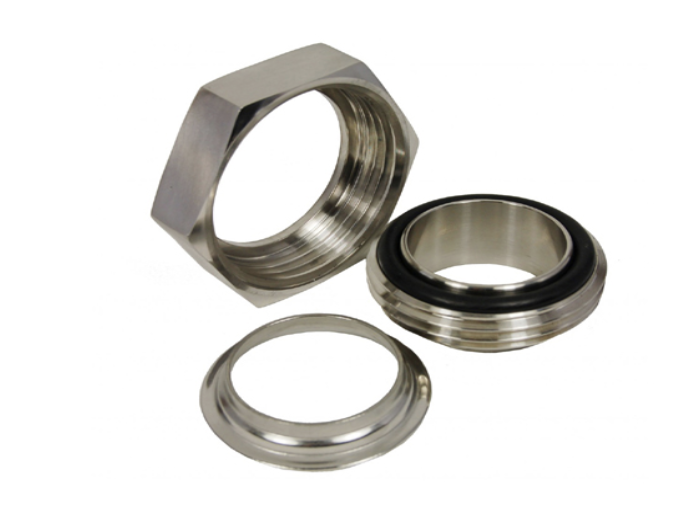
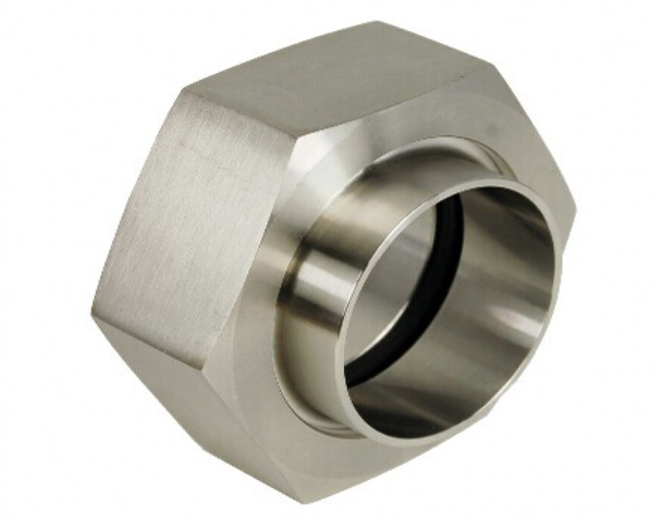
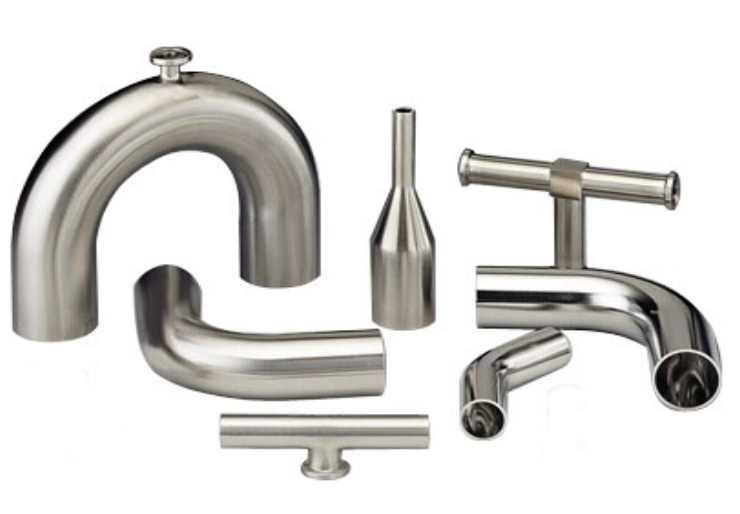
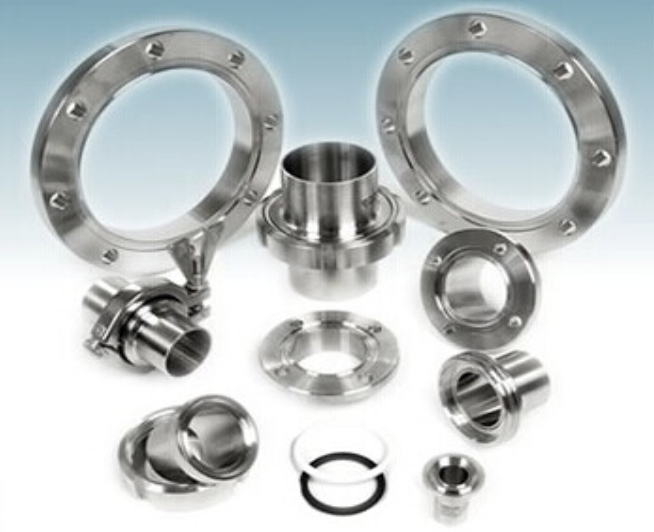
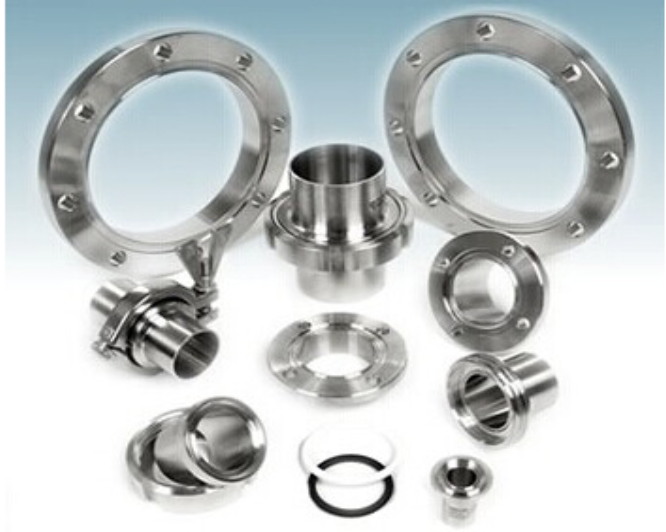
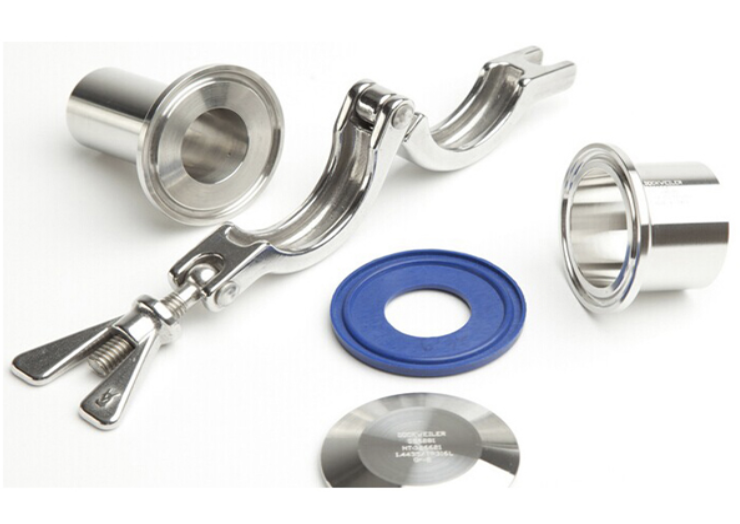
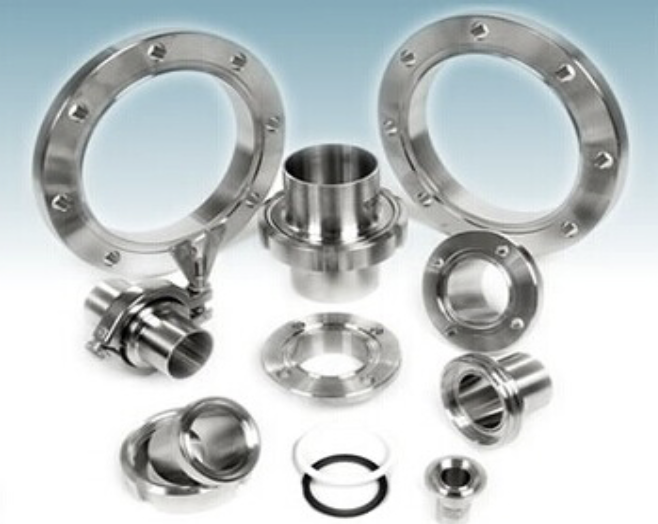
Shanghai Ansha supply DIN11864 standard aseptik adapting fitting which maunfactured by cold press from welding pipe. The roughness of surface can meet different requirement, The EN 10204 3.1B certificate can be provided for all metallic material.Standard: DIN11864-1、DIN11864-2、DIN11864-3
Size: 0.5"-4.0"
Material: 304、304L、316、316L
Surface Preparation: Ra≤0.8、Ra≤0.4、Ra≤0.2(Polishing)
AI Product Description
*The following content is generated by AI and is for reference only.
An **Inch Aseptik Adapting Fitting** is a specialized type of connector used primarily in the food, beverage, and pharmaceutical industries to join piping systems that have different thread standards or connection types while maintaining a sterile (aseptic) environment.
Here is a detailed breakdown of what this component is, its function, and key characteristics:
### 1. Core Function
The primary purpose of an adapting fitting is to bridge a gap between two incompatible connection standards. In industrial processing lines, it is common to encounter:
* **Thread Standards:** Connecting a pipe with **NPT** (National Pipe Tapered - Inch) threads to a system using **DIN** (Metric) or **ISO** threads.
* **Connection Types:** Converting from a flange connection to a clamp (Tri-Clamp/Sanitary) connection, or from a threaded male end to a female sanitary port.
* **Aseptic Requirement:** Unlike standard industrial fittings, these are designed with smooth surfaces, specific radii, and materials that prevent bacterial growth and allow for easy sterilization (CIP/SIP).
### 2. Key Characteristics
* **Material:** Typically made from **316L Stainless Steel**, which offers high corrosion resistance and is non-reactive with chemicals or products.
* **Surface Finish:** The internal surface usually has a very low roughness average (Ra < 0.8 µm or even Ra < 0.4 µm) to prevent product buildup and ensure effective cleaning.
* **Sealing Mechanism:**
* **Gasket/Seal:** Often uses a silicone, EPDM, or PTFE gasket seated in a groove to create a hermetic seal.
* **Metal-to-Metal:** Some designs use conical sealing surfaces (e.g., ISO-K or DIN standards) where the metal faces press together directly.
* **"Inch" Specification:** This indicates that one side of the fitting adheres to the **Imperial (US Customary)** measurement system (e.g., 1/2", 3/4", 1"), while the other side adapts to a different standard (often Metric or Sanitary Clamp).
### 3. Common Applications
These fittings are critical in:
* **Dairy Processing:** Connecting pasteurizers or homogenizers where milk flows under aseptic conditions.
* **Beverage Production:** Transferring juices, syrups, or beer between tanks with different inlet/outlet configurations.
* **Pharmaceuticals:** Ensuring no contamination occurs during the transfer of active ingredients or sterile water.
* **Biotechnology:** Used in fermenters and bioreactors where sterility is paramount.
### 4. Installation & Maintenance Considerations
* **Torque Specifications:** Because these fittings often involve mixing thread types, it is crucial to follow manufacturer torque specs to avoid over-tightening (which can damage seals) or under-tightening (which causes leaks).
* **Cleanability:** The design must not have dead legs (areas where fluid stagnates). Proper adaptation ensures flow turbulence is minimized to aid cleaning.
* **Verification:** After installation, a leak test (often using air pressure or hydrostatic testing) is mandatory before starting production.
### Summary
If you are looking to purchase or specify an **Inch Aseptik Adapting Fitting**, you will need to define:
1. **Size:** The nominal pipe size (e.g., 1 inch).
2. **Thread Type:** Which side is Inch (e.g., NPT) and which side is the target (e.g., Female DIN, Male Tri-Clamp).
3. **End Configuration:** The specific sanitary standard required on the "adapting" side (e.g., SMS, DIN, ISO, or Clamp).
4. **Material Grade:** Usually 316L SS.
This component ensures that your pipeline remains continuous, sterile, and leak-free despite the mismatch in connection standards.





 (All Rights Reserved)