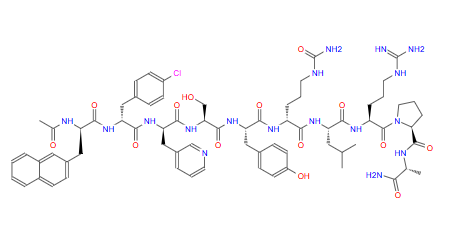
Insulin Icodec is a novel once weekly basal insulin, which dramatically reduces injection frequency and improves patient compliance. It has demonstrated an excellent safety and efficacy profile, positioning it as a promising innovative blockbuster in the diabetes treatment market.
High quality insulin icodec API, and beyond.
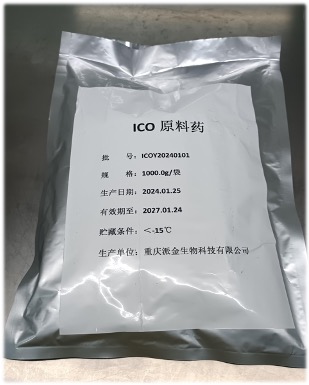
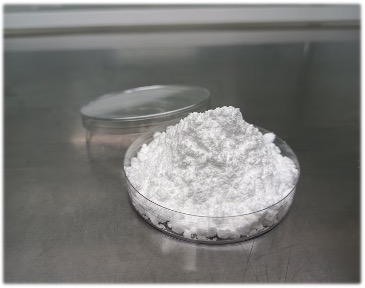
- Purity of API: > 99.5%
- Yield: ~1kg API / 1,000L fermentation broth
Formulation tech transfer for both Insulin Icodec & IcoSema available for discussion.
*The following content is generated by AI and is for reference only.
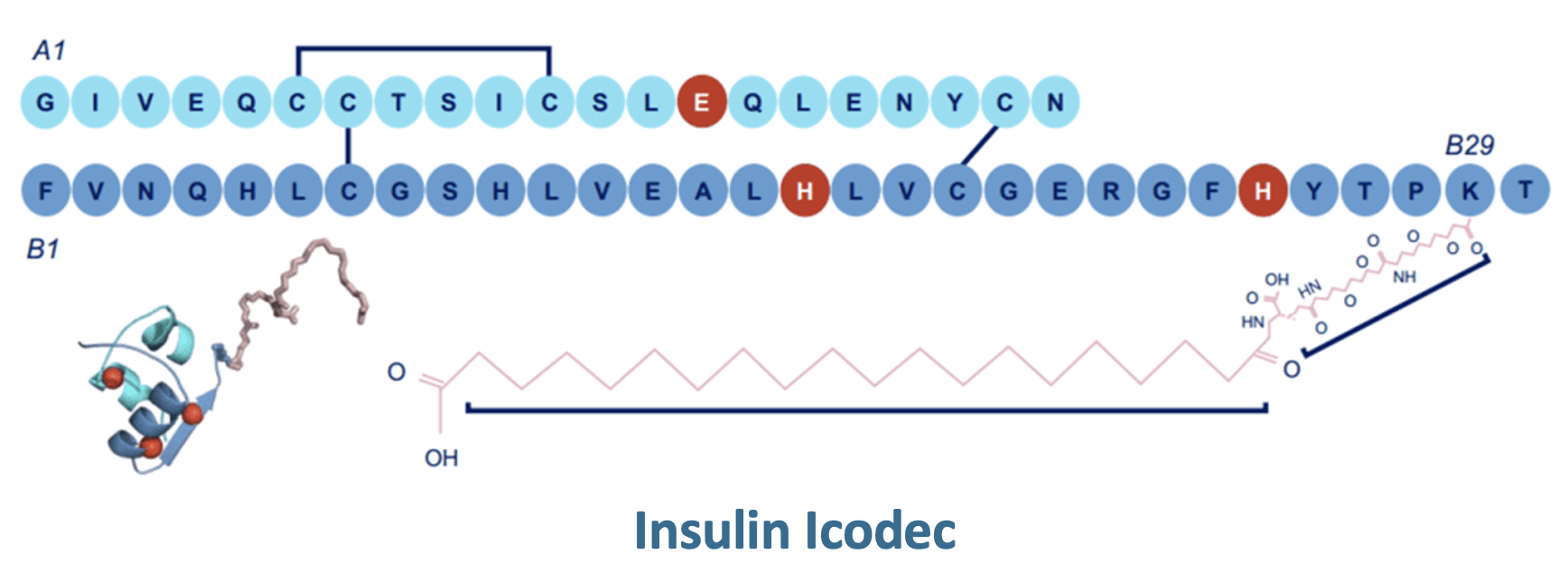
Insulin Icodec is a novel, long-acting basal insulin analog designed to simplify the management of diabetes through once-weekly subcutaneous administration. Developed by Novo Nordisk, this peptide represents a significant advancement in glycemic control strategies, particularly for adults with type 2 diabetes who require stable background insulin coverage. Structurally, Insulin Icodec consists of human insulin with specific modifications: it features a fatty acid side chain attached to lysine at position B29 via a spacer arm. This modification facilitates reversible albumin binding in the bloodstream, which significantly prolongs its absorption and action profile compared to traditional daily basal insulins like glargine or degludec.
The molecular formula for Insulin Icodec is C184H286N50O57S6, reflecting its complex peptide structure combined with the lipid moiety. It does not possess a single CAS number in the traditional small-molecule sense because it is a biologic drug; however, it is often referenced under specific regulatory identifiers such as EudraCT numbers or clinical trial codes during development phases. The primary therapeutic use of Insulin Icodec is to improve fasting blood glucose levels in patients with type 2 diabetes mellitus. Its extended duration of action allows for flexible dosing schedules, potentially enhancing patient adherence by reducing the burden of daily injections. Clinical trials have demonstrated that weekly dosing provides comparable glycemic efficacy to daily basal insulins while offering greater convenience. Furthermore, the pharmacokinetic profile minimizes peak activity, thereby reducing the risk of nocturnal hypoglycemia, a common concern with other basal therapies. As a non-insulin-containing formulation, it serves as a foundational treatment option that can be combined with various oral antidiabetic agents or rapid-acting mealtime insulins. Ongoing research continues to explore its potential expansion into broader diabetic populations, aiming to revolutionize chronic disease management by aligning treatment frequency with patient lifestyle preferences.



 (All Rights Reserved)