Appearance: Should be white or off-white powder or crystalline powder.
Molecular Weight: Should be 3175.50±1.0 Da.
Assay: 0.70~1.00mg /mg of Semaglutide intermediate.
Related Substance: The main peak of GLP-1 should be no less than 95%.
*The following content is generated by AI and is for reference only.
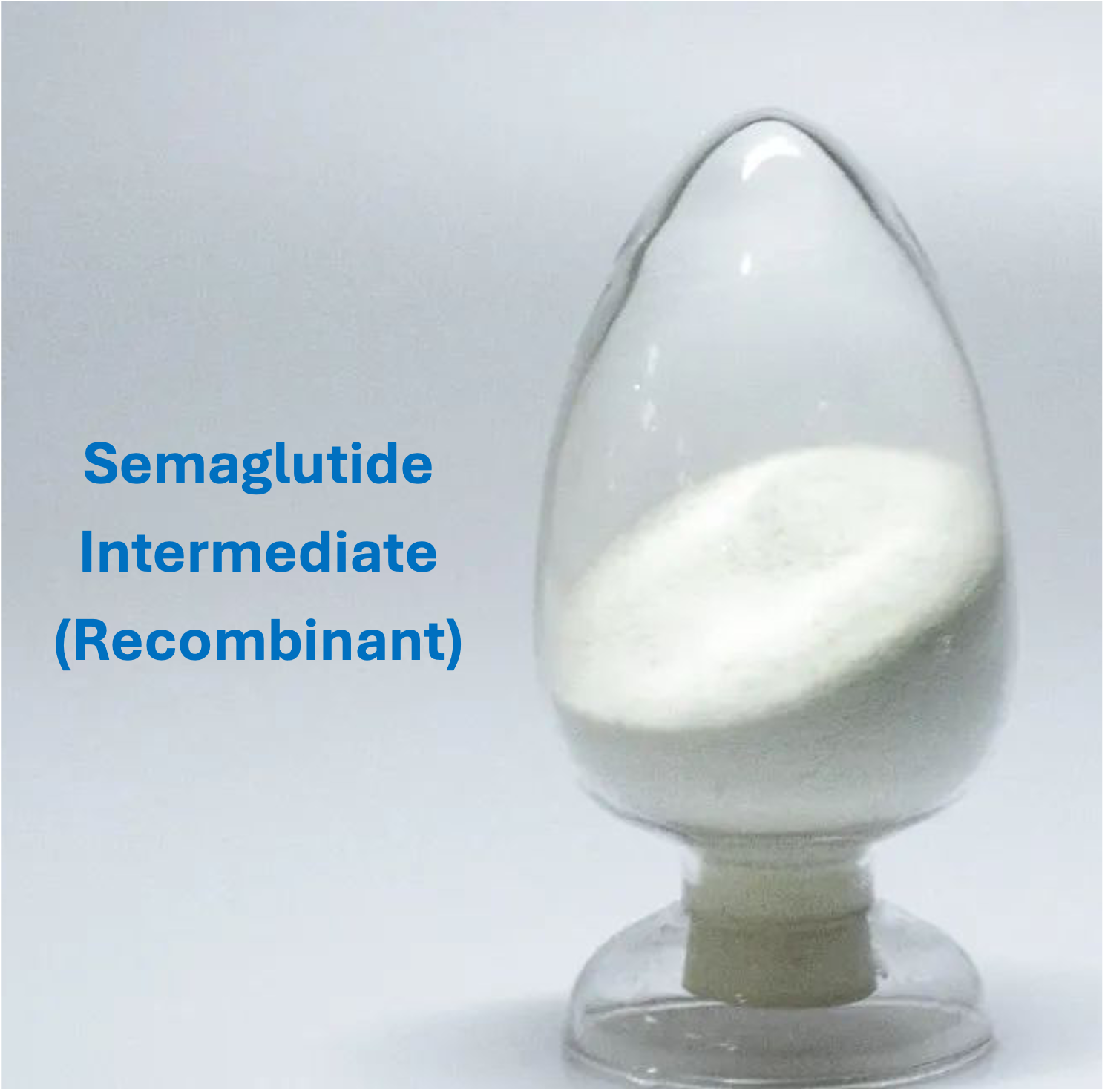
Semaglutide Intermediate (29 a.a.) is a critical synthetic peptide fragment utilized in the advanced manufacturing of Semaglutide, a widely prescribed glucagon-like peptide-1 (GLP-1) receptor agonist. With a molecular composition consisting of 29 specific amino acid residues linked by peptide bonds, this intermediate serves as the essential backbone for the final therapeutic product. While exact molecular formulas and CAS numbers vary depending on specific protecting groups or salt forms used during synthesis, the core sequence typically aligns with the N-terminal portion of the full-length Semaglutide molecule, often incorporating modifications such as fatty acid side chains to ensure prolonged half-life upon completion.
The primary application of this 29-amino-acid intermediate lies within the pharmaceutical industry, specifically in the semi-synthesis and large-scale production of injectable formulations for type 2 diabetes management and chronic weight control. As a high-purity building block, it undergoes precise coupling reactions and deprotection steps to yield the active pharmaceutical ingredient (API). Manufacturers rely on this intermediate to maintain strict quality standards, ensuring that the final drug possesses the requisite biological potency and structural integrity required for clinical efficacy. Its use significantly streamlines the complex multi-step synthesis process, reducing production time and minimizing potential impurities associated with de novo assembly.
Furthermore, this intermediate is subject to rigorous regulatory scrutiny under Good Manufacturing Practices (GMP) to guarantee safety and consistency. It plays a pivotal role in addressing the global demand for effective metabolic therapies, supporting the supply chain for major pharmaceutical companies developing GLP-1 based treatments. By providing a standardized, high-quality precursor, the 29 a.a. intermediate facilitates the scalable production of life-changing medications, ultimately contributing to improved patient outcomes in managing obesity and glycemic control. Researchers and formulators continue to optimize its synthesis to enhance yield and purity, solidifying its status as an indispensable component in modern peptide therapeutics.






 (All Rights Reserved)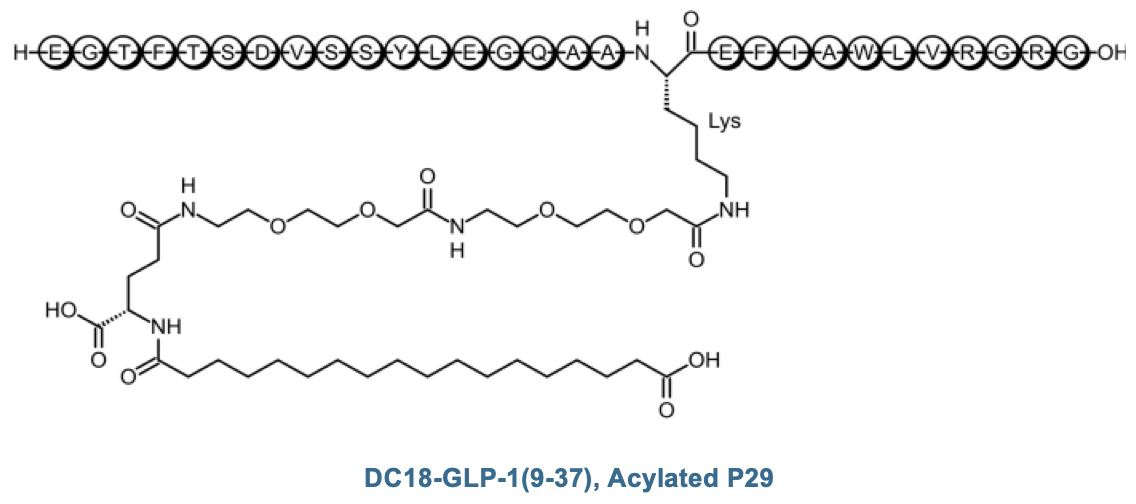

![8,16-Diazadispiro[6.1.6.2]heptadecan-17-one](https://eimg.pharmasources.com/image/product/20250403/ca91cba8b87e53fc879f8d8764873a40jpg)
![8-Oxa-1,3-diazaspiro[4.5]decane-2,4-dione](https://eimg.pharmasources.com/image/product/20250403/60fa7223d5a34f24138486ceea0ffb15jpg)
![6,8-Dioxo-5,7-diazaspiro[3.4]octane-2-carboxylic acid](https://eimg.pharmasources.com/image/product/20250403/02effeb5a7639bc84ff1f3add3c0c64fjpg)
