Product Description
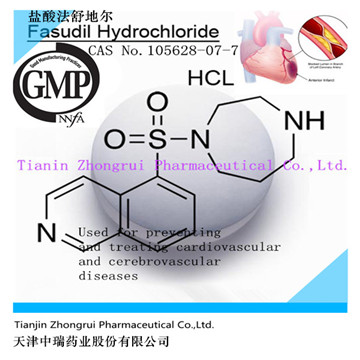
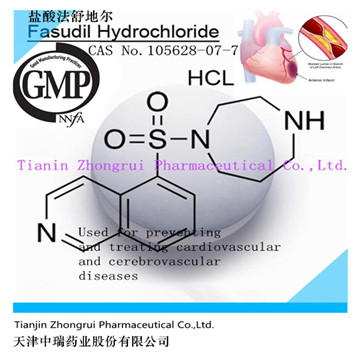
Melting point: 256~262 °C;Acidity: 0.2ml/0.5g;Chloride: 0.01%;Loss on drying: 0.5%;Residue on ignition: 0.1%;Heavy metals: 0.002%;It is hardly soluble in chloroform, undissolvable in water, ethanol and ether, and dissolvable in diluent acid solution and hot N, N-Dimethylformamide or Dimethyl sulfoxide.
AI Product Description
*The following content is generated by AI and is for reference only.
Inositol Hexanicotinate, widely recognized as a form of Vitamin B3 or Niacin, is a chemically stable ester formed by the reaction of inositol (a cyclic polyol) with six molecules of nicotinic acid. Its molecular formula is C24H30O12, and it carries the CAS registry number 58-99-7. Unlike free niacin, which often causes significant cutaneous flushing due to vasodilation, Inositol Hexanicotinate acts as a slow-release reservoir for niacin within the body. This unique property allows for sustained delivery of Vitamin B3 without the intense, uncomfortable side effects associated with standard niacin supplements, making it a preferred choice for individuals sensitive to vasodilatory reactions.
The primary applications of this compound revolve around cardiovascular health and lipid management. It is extensively used to support healthy cholesterol levels by helping to lower low-density lipoprotein (LDL) and triglycerides while potentially raising high-density lipoprotein (HDL). Furthermore, because it promotes peripheral circulation, it is frequently utilized to improve blood flow to extremities, offering relief from symptoms related to poor circulation such as cold hands and feet or intermittent claudication. Beyond vascular benefits, adequate Vitamin B3 intake is essential for cellular energy production, DNA repair, and the maintenance of healthy skin, hair, and nerves.
In the pharmaceutical and dietary supplement industries, Inositol Hexanicotinate is formulated into tablets, capsules, and liquid drops. It serves as a crucial ingredient for those seeking metabolic support without compromising comfort. While generally considered safe when taken at recommended dosages, users should consult healthcare professionals before initiating therapy, especially if they have pre-existing liver conditions or are taking other medications. As a versatile bioactive molecule, it bridges the gap between effective nutrient supplementation and patient tolerance, ensuring that the vital functions of Vitamin B3 can be harnessed efficiently for long-term wellness and systemic balance.





 (All Rights Reserved)