Product Description
please call me ,to know more
AI Product Description
*The following content is generated by AI and is for reference only.
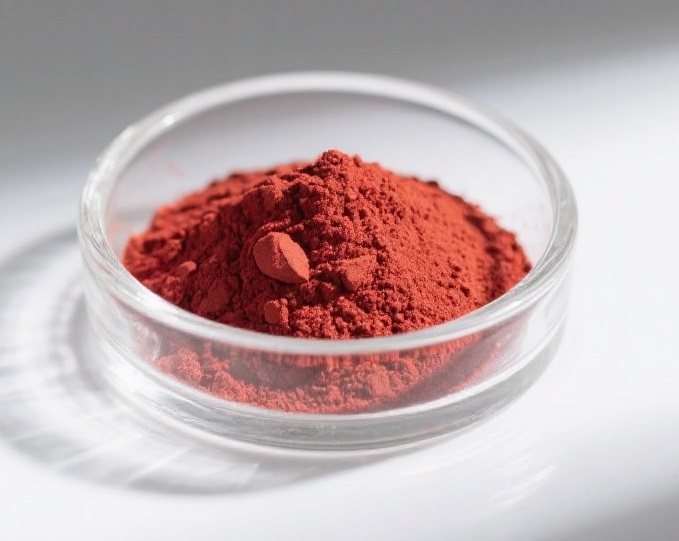
Indigotin, commonly known as indigo, is a profound blue dye with a rich historical legacy and significant modern industrial relevance. Chemically identified by the CAS number 482-89-3, its molecular formula is C₁₆H₁₀N₂O₂. This compound belongs to the class of heterocyclic compounds, specifically an indole derivative, characterized by two fused aromatic rings containing nitrogen atoms. Structurally, it exists in a planar configuration that facilitates strong intermolecular hydrogen bonding, contributing to its exceptional stability and insolubility in water under normal conditions.
Historically, indigotin was extracted from various plants, most notably species of the genus *Indigofera* in Asia and *Isatis tinctoria* in Europe, making it one of the oldest synthetic dyes known to humanity. For centuries, it was the primary source of blue coloration for textiles, particularly denim, before the advent of synthetic alternatives in the late 19th century. Today, while natural extraction remains popular for organic and artisanal markets, the vast majority of global production relies on synthetic methods involving the condensation of N-phenylglycine or similar precursors. This shift has ensured a consistent supply chain for the massive textile industry.
Beyond its role as a coloring agent, indigotin possesses notable functional properties. It exhibits high lightfastness and resistance to washing, which makes it ideal for durable fabrics like jeans and workwear. Furthermore, recent scientific research has highlighted its potential biological applications. Studies suggest that indigotin may possess anti-inflammatory, antioxidant, and antimicrobial properties, leading to investigations into its use in pharmaceutical formulations and traditional medicine practices, particularly within Asian herbal remedies. Despite these emerging uses, its primary economic driver remains the textile sector, where it continues to define the iconic blue aesthetic of modern fashion. As environmental regulations tighten, interest in sustainable, bio-based indigotin production is growing, aiming to reduce the chemical footprint associated with traditional synthetic processes. Ultimately, indigotin stands as a bridge between ancient tradition and contemporary chemistry, maintaining its status as a cornerstone of the global dye market.





 (All Rights Reserved)