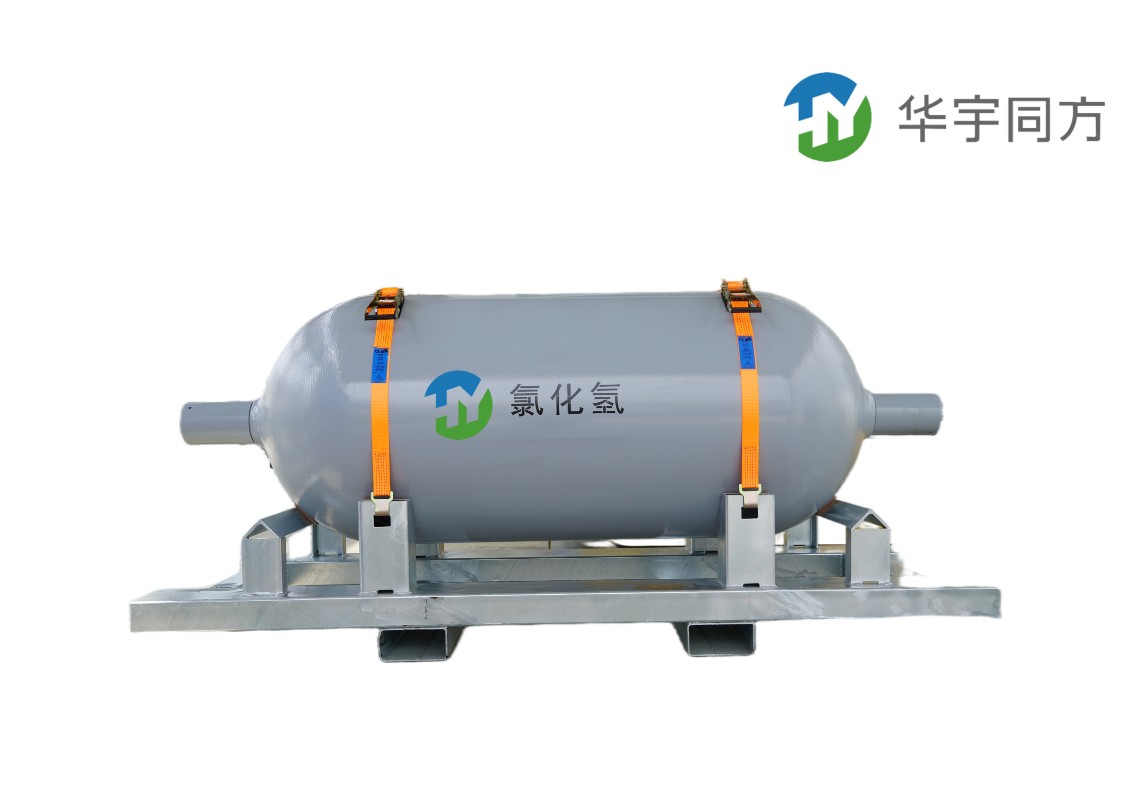
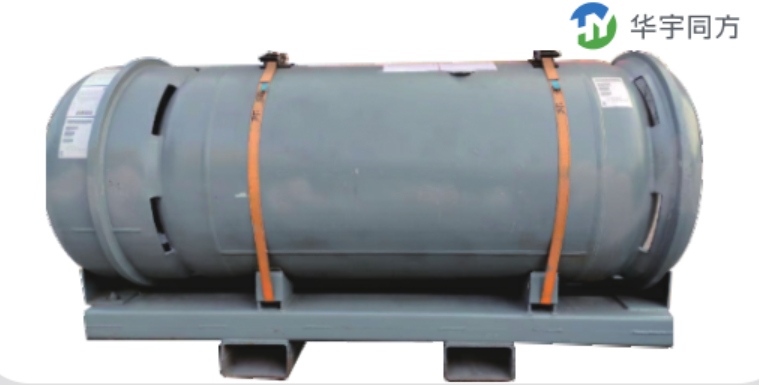
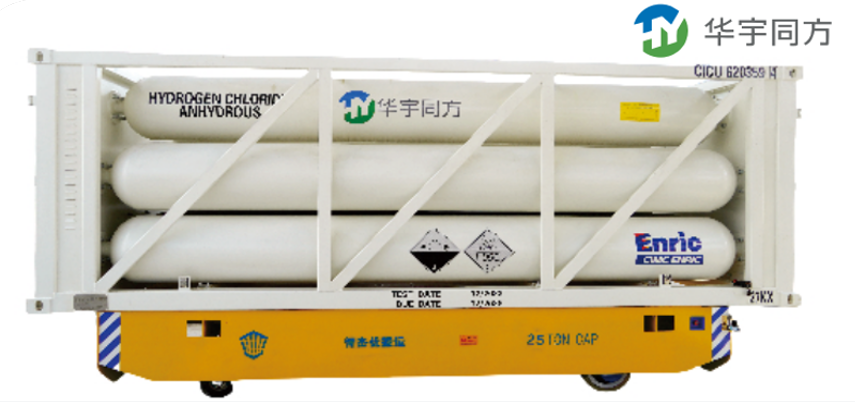
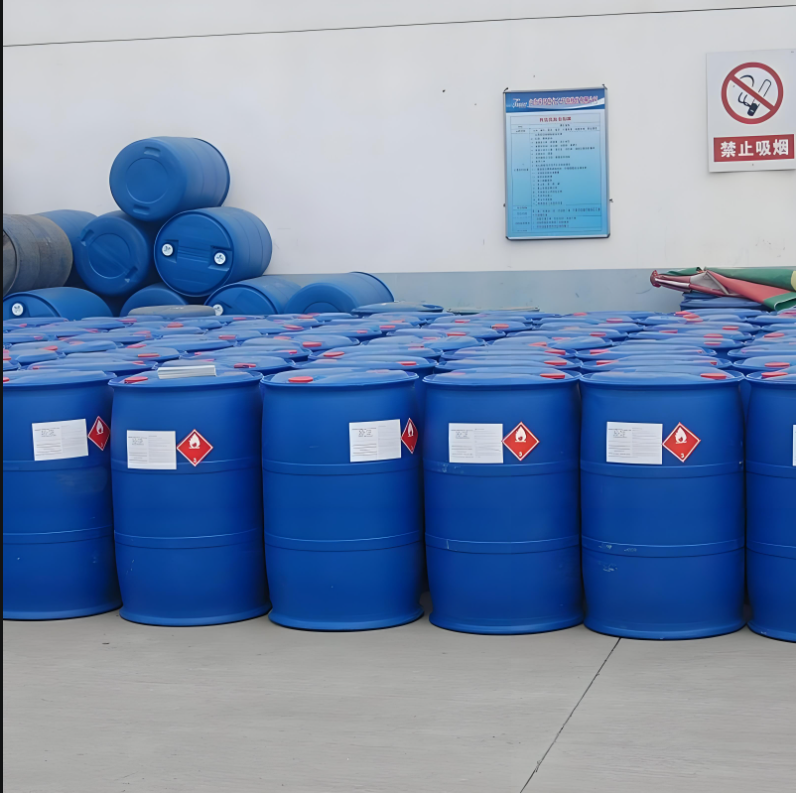
We provide 2.8, 3N, 4N purity hydrogen chloride gas for chemical use, classified under anhydrous hydrogen chloride (aHCl), is an chemical grade hydrogen chloride.
Packaging Options:
1.Tube Trailer(40 feet 5 tubes)
2.T Drum(950L-GB, 900L-EN)
3.Y Cylinder(440L-GB+DOT)
4.B Cylinder(47L-GB+DOT)
Valve Options: CGA-330
*The following content is generated by AI and is for reference only.
Hydrogen chloride gas, chemically represented by the formula HCl, is a colorless, pungent-smelling compound composed of one hydrogen atom covalently bonded to one chlorine atom. It possesses a molecular weight of approximately 36.46 g/mol and carries the unique CAS Registry Number 7647-01-0. Under standard conditions, this substance exists as a gas, though it readily dissolves in water to form hydrochloric acid, a strong mineral acid widely recognized in industrial and laboratory settings.
The primary applications of hydrogen chloride gas are diverse and critical across multiple sectors. In the chemical industry, it serves as a fundamental building block for producing organic chlorides, such as vinyl chloride monomer used in polyvinyl chloride (PVC) manufacturing, and various pharmaceutical intermediates. Its role in metallurgy is equally significant, where it acts as an essential reagent for pickling steel surfaces to remove rust and scale before further processing. Furthermore, it is utilized in the production of high-purity silicon for the semiconductor industry and in the synthesis of dyes and pigments.
Safety considerations are paramount when handling hydrogen chloride gas due to its corrosive nature and toxicity. Inhalation can cause severe respiratory irritation, while contact with skin or eyes results in serious chemical burns. Consequently, strict adherence to safety protocols, including the use of appropriate personal protective equipment and specialized ventilation systems, is mandatory during storage and transport. The gas is typically shipped in pressurized cylinders or bulk tankers, requiring careful temperature control to maintain stability. Despite its hazards, hydrogen chloride remains an indispensable commodity in modern chemistry, driving innovation in materials science, energy production, and environmental remediation technologies. Its versatility ensures continued demand globally, making it a cornerstone of industrial chemical supply chains worldwide.