Product Description
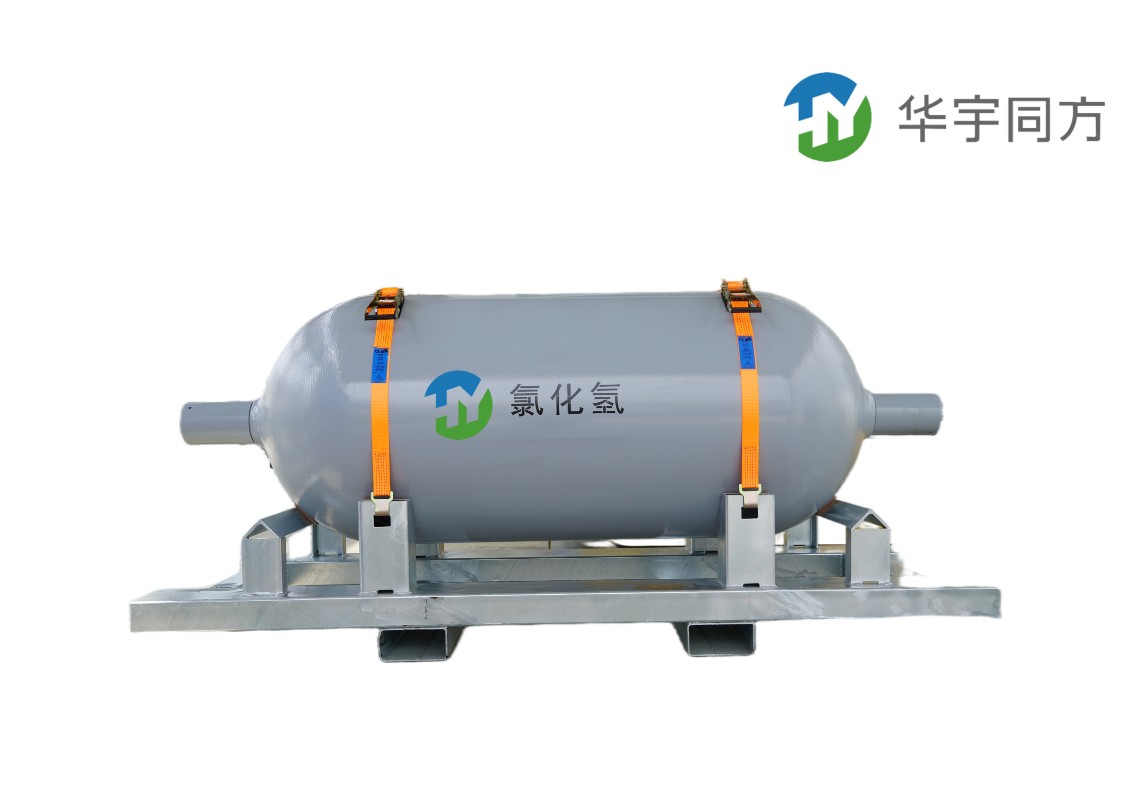
We provide 2.8, 3N, 4N purity hydrogen chloride gas for chemical use, classified under anhydrous hydrogen chloride (aHCl), is an chemical grade hydrogen chloride.
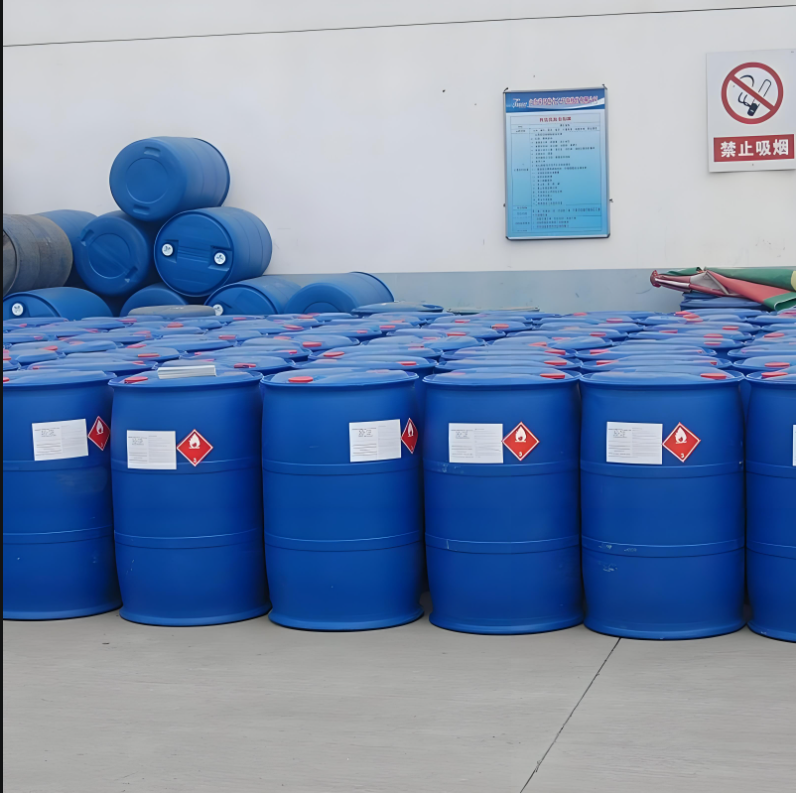
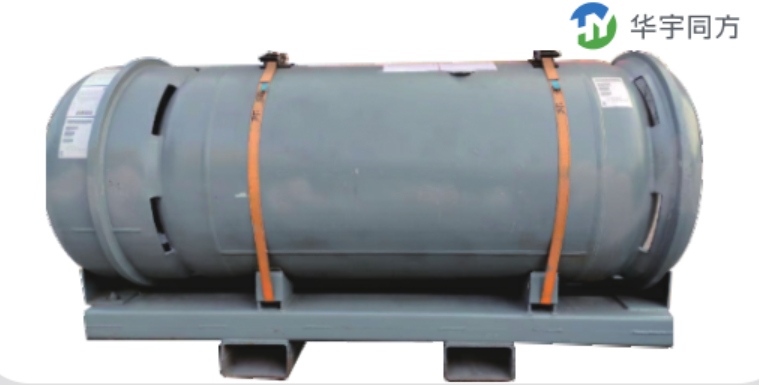
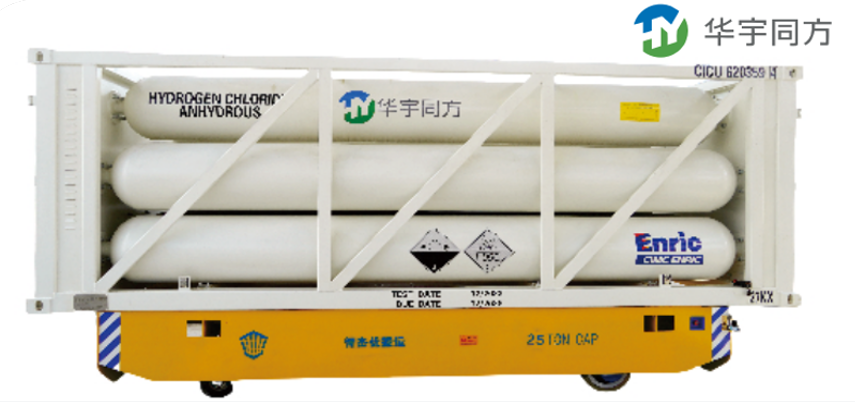
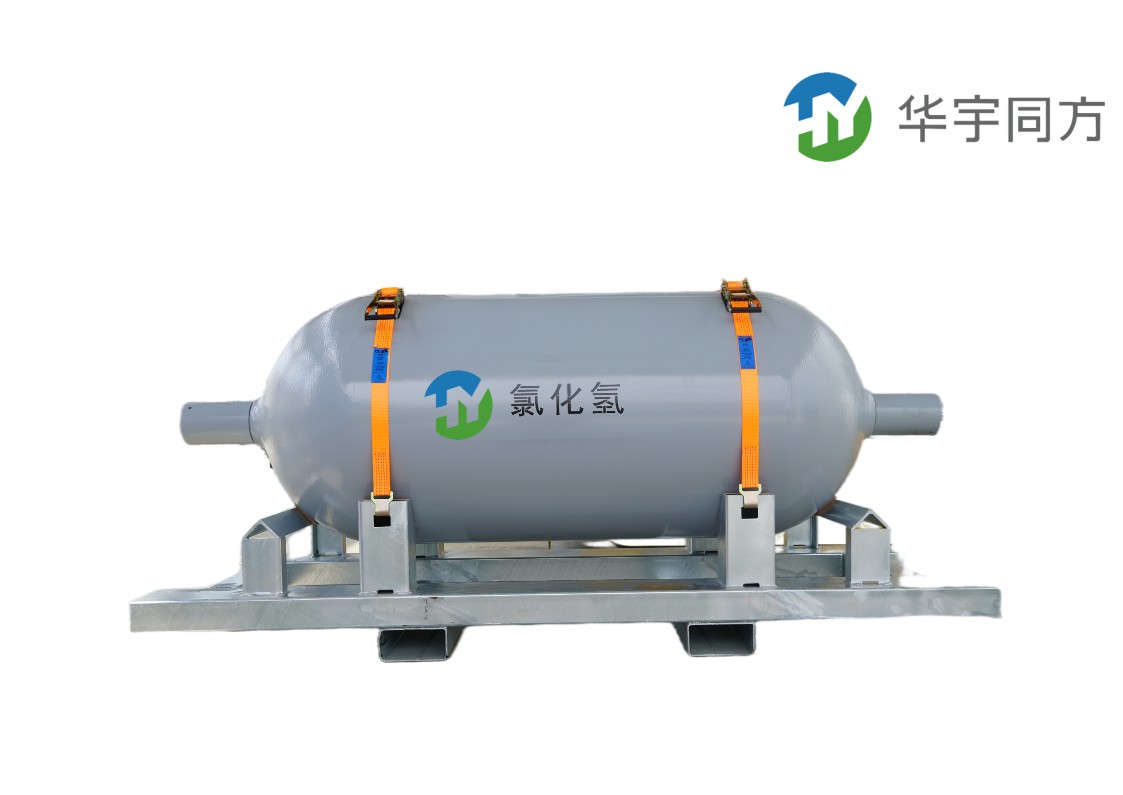
Packaging Options:
1.Tube Trailer(40 feet 5 tubes)
2.T Drum(950L-GB, 900L-EN)
3.Y Cylinder(440L-GB+DOT)
4.B Cylinder(47L-GB+DOT)
Valve Options: CGA-330
AI Product Description
*The following content is generated by AI and is for reference only.
Anhydrous hydrogen chloride, chemically represented by the formula HCl, is a colorless gas with a sharp, pungent odor. Its CAS number is 7647-01-0. Unlike aqueous hydrochloric acid, this anhydrous form contains no water, making it highly reactive and capable of acting as a potent Lewis acid in various industrial processes. It is typically stored under pressure or at low temperatures to maintain its gaseous state, requiring specialized stainless steel or glass-lined equipment for safe handling due to its extreme corrosiveness.
The primary application of anhydrous hydrogen chloride lies in organic synthesis and petrochemical refining. In the pharmaceutical industry, it serves as a crucial reagent for introducing chlorine atoms into organic molecules, facilitating the production of active pharmaceutical ingredients (APIs). It is extensively used in the manufacture of chlorinated solvents, such as dichloromethane and vinyl chloride monomer, which are precursors for PVC plastics. Furthermore, in the electronics sector, high-purity anhydrous HCl is essential for semiconductor manufacturing, where it acts as a cleaning agent and etchant for silicon wafers, ensuring surface purity during chip fabrication.
In metallurgy, the compound plays a vital role in pickling steel and iron surfaces to remove rust and scale before galvanizing or coating. The process involves reacting the metal oxide layer with the gas, leaving a clean metallic surface. Additionally, it is utilized in the production of inorganic chlorides, including aluminum chloride, which acts as a catalyst in Friedel-Crafts reactions for synthesizing dyes and fragrances. Safety protocols are paramount when handling this substance, as inhalation can cause severe respiratory damage, and contact with skin or eyes results in immediate chemical burns. Proper ventilation, personal protective equipment, and leak detection systems are mandatory in facilities utilizing anhydrous hydrogen chloride. Its versatility, combined with its efficiency in driving specific chemical transformations, establishes it as a cornerstone chemical in modern industrial chemistry, bridging gaps between raw material processing and high-tech product creation across diverse sectors globally.





 (All Rights Reserved)